Oral health
Does Drinking Alcohol “Relax” or “Harm” Your Teeth? The Truth About Alcohol and Oral Health
15mins Read
Last Updated :Advertisement
5. Gums Are Also Affected—Immunity and Inflammatio
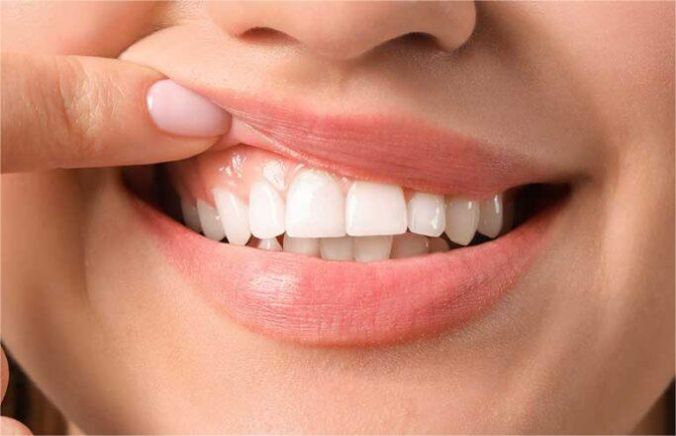
Another point that many people overlook is the relationship between alcohol and gum health. Long-term alcohol consumption, especially when frequent or in large quantities, can affect the body’s immune system—and the gums actually rely heavily on immunity to fight off bacteria. When immunity is compromised, the gums are more prone to inflammation, such as redness, swelling, and bleeding, which can even develop into periodontal issues. Once periodontal problems become severe, they’re not just a gum issue; they can also affect the stability of the teeth and even lead to tooth loosening. Additionally, dry mouth makes the gums more susceptible to irritation. Without the lubrication and protection provided by saliva, gum tissue becomes more vulnerable. So you’ll find that alcohol’s impact on the mouth isn’t limited to “damaging teeth”—it also “damages the gums,” and these two issues often occur together.
6. How to Minimize Damage—Smarter Drinking Habits
Does this mean you should stop drinking alcohol entirely? Actually, there’s no need to go to such extremes. The key lies in “how you drink” and “what you do afterward.” If you only have the occasional drink, it’s generally not a big problem, but it’s best to avoid sipping slowly over a long period, as this keeps your teeth exposed to an acidic environment for too long. Additionally, you can drink some water while consuming alcohol to help dilute the alcohol and acidic substances, which can also alleviate dry mouth. Avoid brushing your teeth immediately after drinking, especially right after consuming acidic beverages. At that time, your tooth enamel is in a relatively “vulnerable” state, and brushing right away may actually increase wear and tear. Instead, rinse your mouth first and wait a while before brushing. Another practical tip is to choose alcoholic beverages with lower sugar content whenever possible to reduce the extra burden on your teeth.
7. Balancing Alcohol Consumption and Dental Health
Alcohol is not “beneficial” for your teeth; more often than not, it poses potential risks. However, these effects aren’t immediately visible like cavities—they accumulate gradually over time. If you regularly drink alcohol, there’s no need to panic, but you should be aware that it does affect your oral environment. By making small adjustments to your habits—such as limiting how often you drink, maintaining good oral hygiene, and drinking plenty of water—you can actually mitigate these effects to some extent. Ultimately, your teeth will serve you for many years, and small daily choices will gradually make a difference. Rather than waiting until dental problems arise and regretting it later, it’s better to pay more attention now and find a better balance between “drinking” and “dental health.”
Advertisement
Advertisement
Tips For Getting Free Dental Work
1. Be prepared to provide documentation of your income and place of residence.
Many free dental clinics require patients to provide proof of income and residence in order to qualify for services.
2. Call ahead to schedule an appointment.
Most free dental clinics require patients to make an appointment in advance.