Oral health
Experiencing persistent acne? The problem might not just be skincare; your dental health could also be a factor.
15mins Read
Last Updated :Advertisement
Acne problems may be more than just skincare.
When you have a breakout, your first thought is: Have you been staying up late? Eating too much spicy or oily food? Or are you using the wrong skincare products? These are all possible reasons, but there's an often overlooked aspect—oral health. It might sound like a cross-disciplinary issue, but teeth and skin are actually quite related.
Our body is a whole, not a series of independent modules. As part of the body, if there's chronic inflammation in the mouth, such as gingivitis, periodontitis, or cavities, these problems don't just stay in your mouth; they can affect the whole body through blood circulation or the immune system. And skin, especially facial skin, is a very sensitive "external manifestation" of the body's condition.
Chronic inflammation can make skin more prone to a
For example, when there is chronic inflammation in the mouth, the body's immune system remains in a state of "low-level stress." In this state, inflammatory factors may increase, and an excess of these factors can make the skin more prone to problems, such as excessive sebum secretion and clogged pores, leading to acne. So sometimes, even if you're doing a good skincare routine, your face may still break out repeatedly; the problem might not be entirely on your face.
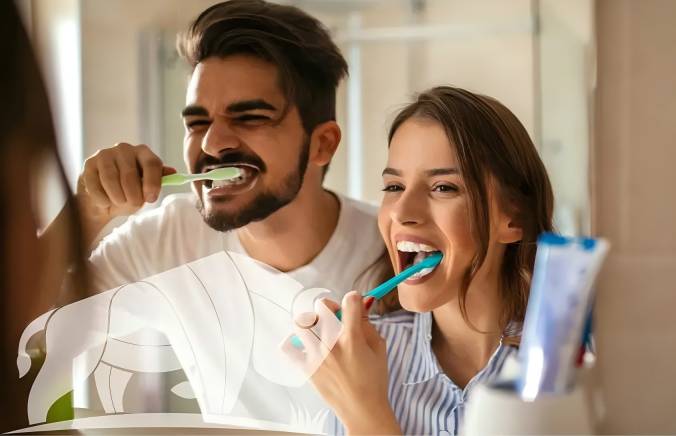
Let's talk about a more specific situation: oral bacteria. Our mouths naturally contain many bacteria, most of which coexist peacefully. However, if oral hygiene is inadequate—for example, incomplete brushing, lack of dental floss, or a long-term absence of professional dental cleaning—certain harmful bacteria can begin to "dominate." These bacteria not only cause oral problems but can also indirectly come into contact with facial skin through hands, utensils, and even saliva.
The Hidden Pressure of Dental Discomfort
For example, if you touch your mouth and then unconsciously touch your face; or if your face comes into contact with a bacteria-laden pillowcase while sleeping, these can all become pathways for bacterial transmission. While this isn't the only cause of acne, it can certainly increase the burden on the skin, making the situation more pronounced for those already prone to acne.
Another point that many people don't consider is the "hidden pressure" caused by dental problems. For example, toothache, gum discomfort, and mouth ulcers can all unconsciously create a sense of stress. High stress levels cause the body to secrete more cortisol, and elevated cortisol levels are a major cause of recurring acne. In other words, dental discomfort can indirectly worsen your skin condition.
Dietary Habits Affect Both Teeth and Skin
From another perspective, some people's dietary habits actually affect both their teeth and skin simultaneously. For example, a fondness for sweets and sugary drinks not only easily leads to cavities but also increases blood sugar fluctuations, thereby stimulating sebum secretion and increasing the risk of acne. So sometimes it's not "teeth affecting acne," but rather that they share common lifestyle habits.
Another typical situation is "recurring acne in the same location." Some people find that they always get acne on one side of their cheek, especially near the corner of their mouth or chin. In this case, besides common endocrine or skincare issues, you should also consider whether there are problems with the teeth or gums on that side, such as inflamed wisdom teeth or poor periodontal health.
Advertisement
Advertisement
Tips For Getting Free Dental Work
1. Be prepared to provide documentation of your income and place of residence.
Many free dental clinics require patients to provide proof of income and residence in order to qualify for services.
2. Call ahead to schedule an appointment.
Most free dental clinics require patients to make an appointment in advance.