Tooth KnowLedge
What kind of health problems are caused by dental diseases
15mins Read
Last Updated :Advertisement
First: Let’s Get Clear on What “Dental Diseases” A
Before we talk about the health problems they cause, let’s make sure we’re on the same page about what dental diseases even are. Because let’s be honest—most of us throw around words like “gum disease” or “cavities” but don’t really know what they mean. And that’s okay! I’m not here to quiz you, just to break it down in plain English.
The two most common dental diseases are cavities (tooth decay) and periodontal (gum) disease. Let’s start with cavities—you know, those little holes in your teeth that hurt when you eat something sweet or cold. Cavities happen when the bad bacteria in your mouth feed on sugar, produce acid, and eat away at your tooth enamel (the hard outer layer of your teeth). If you don’t get them filled, they get deeper, hurt more, and can lead to infections.
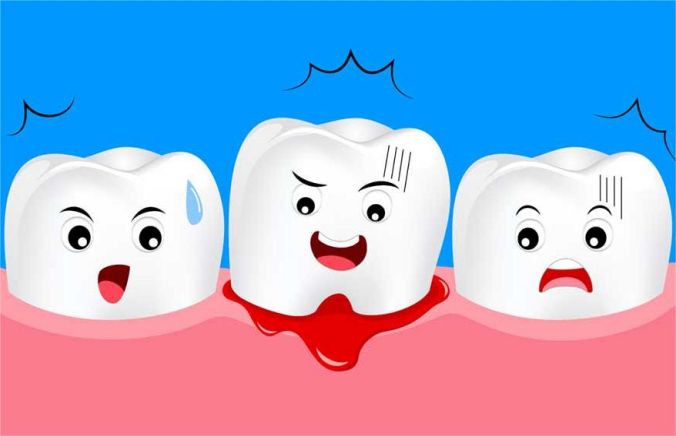
Then there’s gum disease, which is even more sneaky. It starts with gingivitis—red, swollen gums that bleed when you brush or floss. Most people have gingivitis at some point, and it’s totally reversible if you step up your oral hygiene. But if you ignore it, it turns into periodontitis—when the infection goes deeper, damages the bones that hold your teeth in place, and can even cause tooth loss. That’s when things start getting serious for your whole body.
There are other dental issues too—like oral infections, abscesses (pus-filled pockets in your gums or teeth), or even oral cancer—but cavities and gum disease are the most common, and they’re the ones that cause the most widespread health problems. Now that we’re all on the same page, let’s talk about what happens when these dental issues go untreated.
Dental Diseases and Heart Health: The Surprising L
When I tell people that bad teeth can lead to heart problems, they usually look at me like I’m crazy. “My teeth and my heart are totally separate,” they say. But here’s the truth: they’re way more connected than you think. In fact, research has shown that people with gum disease are way more likely to have heart problems like heart attacks, strokes, and even heart failure. Let me explain why, in simple terms.
Gum disease is an infection, right? And that infection causes inflammation in your gums. But that inflammation doesn’t stay in your gums—it gets into your bloodstream. Once it’s in your blood, it can travel to your heart and blood vessels. The bacteria from your gums can stick to the walls of your arteries, causing them to become narrow and hard (a condition called atherosclerosis). When your arteries are narrow, blood can’t flow as well to your heart, which can lead to a heart attack. If the blood flow to your brain is blocked, that’s a stroke.
Let’s put this in perspective. Imagine your arteries are like a garden hose. If you have gum disease, the bacteria and inflammation are like gunk that builds up inside the hose, making the water flow slower and slower. Eventually, the hose could get completely blocked, and no water (or blood) can get through. That’s exactly what happens with your heart and brain.
And it’s not just gum disease—even untreated cavities can cause problems. If a cavity gets so bad that it leads to an infection (like an abscess), that infection can also get into your bloodstream and affect your heart. In rare cases, it can even cause endocarditis, which is an infection of the inner lining of your heart. That’s serious stuff—endocarditis can be life-threatening if it’s not treated right away.
I’m not saying that every cavity will give you a heart attack—far from it. But the point is, your oral health and heart health are linked, and ignoring dental problems can increase your risk. Think of it this way: taking care of your teeth is one simple way to take care of your heart. It’s not a guarantee, but it’s a step in the right direction.
Advertisement
Advertisement
Tips For Getting Free Dental Work
1. Be prepared to provide documentation of your income and place of residence.
Many free dental clinics require patients to provide proof of income and residence in order to qualify for services.
2. Call ahead to schedule an appointment.
Most free dental clinics require patients to make an appointment in advance.