Tooth KnowLedge
How important is good teeth?
10 mins Read
Last Updated :Advertisement
Only with good teeth can you keep up with nutritio
Parents know very well that the seemingly simple action of chewing food is actually the first step in our bodies to absorb nutrients and digest food. Only when food is carefully ground by our teeth can the saliva in the mouth effectively fully infiltrate the food and start its initial nutritional decomposition process. Subsequently, these initially processed foods enter the stomach, and the digestive juice secreted by the stomach further decomposes and digests the foods until they become fine chyme. As the digestive process progresses, chyme continues to move forward into the small intestine and comes into full contact with the intestinal wall. During this process, most of the nutrients in the food are absorbed by the body, providing the necessary energy and nutrients for the normal functioning of the body.
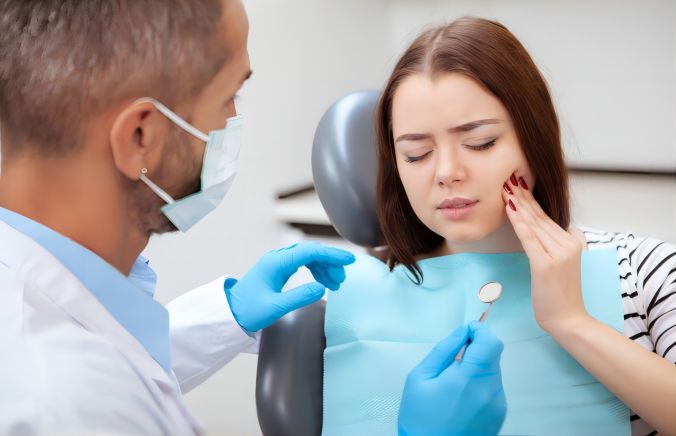
However, to achieve the goal of adequate chewing, healthy teeth are particularly critical. When children have malocclusion or cavities, the process of chewing often becomes objectionable due to pain and discomfort. In this case, the child may just chew a few times casually, or swallow the food in a hurry. If this happens for a long time, not only will the rich nutrients in the food be unable to be fully decomposed, digested and absorbed, but in the long run it may also lead to malnutrition in children. This is not only a threat to children's physical health, but may also affect their growth, development and overall health.
Good chewing ability, intelligence also benefits
A medical professor discovered in his research that chewing is not just a simple action for our daily intake of food, it actually has a positive effect on blood circulation in the head. When we chew, blood circulation in the head is enhanced, which allows brain cells to obtain more oxygen and nutrients, which is essential for brain health and vitality. In addition, chewing can keep the taste and smell nerves in an excited state, which further promotes brain development and functional improvement. Especially for children, whose bodies and brains are in a stage of rapid development, proper chewing of some hard foods, such as peanuts, cashews, chestnuts and other nuts, as well as celery, bamboo shoots, corn, buckwheat and other vegetables and grains, is not only It helps the development of their teeth and jaws, and lays a solid foundation for their intelligence and memory development. On the contrary, if the chewing ability is reduced due to dental problems, then the stimulation of the brain will be reduced, and in the long run, the brain may become "lazy", adversely affecting its normal development. Therefore, maintaining good chewing habits is crucial to our overall health, especially brain health and vitality.
Beautiful teeth make children more confident
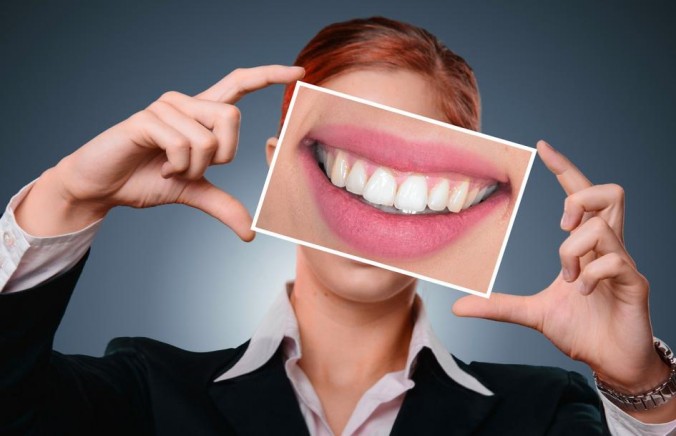
Smiling is a sign of self-confidence. However, some children always dare not smile because their teeth are not very beautiful. When these children smile, their dental defects are fully exposed, and sometimes they even attract the attention of their peers. of ridicule. Such an experience will undoubtedly make children feel inferior and afraid to show their smile easily. What's more serious is that dental problems may also have a negative impact on the child's face shape. If a child's teeth are not aligned properly, the tip of their nose, lips, and jaw may not form a straight line, which may even lead to maxillofacial deformities such as lip deformation and mandibular retrusion. These problems not only affect children's facial appearance, but may further exacerbate their inferiority complex and make them even more reluctant to show their smiles.
Advertisement
Advertisement
Tips For Getting Free Dental Work
1. Be prepared to provide documentation of your income and place of residence.
Many free dental clinics require patients to provide proof of income and residence in order to qualify for services.
2. Call ahead to schedule an appointment.
Most free dental clinics require patients to make an appointment in advance.