Dental Implant
Can children get dental implants? Answers to Parents' Concerns
9 mins Read
Last Updated :Advertisement
Children's bone development is not yet comple
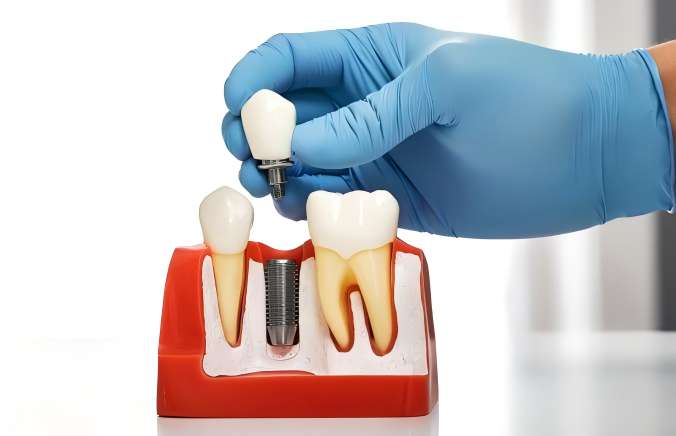
Dental implants, as a form of restoration for missing teeth, are widely used in adult dental restorations due to their aesthetic, durable, and comfortable benefits. However, for children, the suitability of dental implant surgery is an issue that needs to be carefully considered as their bones are not yet fully developed. The following is a detailed analysis of the suitability of dental implants for children.
Characteristics of children's skeletal growth and development:
The skeletal system of children and adolescents is in a stage of growth and development, and the jawbone is no exception. The growth of the jawbone occurs mainly during puberty and usually stops at the age of 16-18 years for females and 18-21 years for males. Performing dental implant surgery during the period of skeletal growth may interfere with the normal development of the jawbone, resulting in abnormal facial contours and bite relationships.
Impact of dental implant surgery on children:
Bone maturity: Dental implants require adequate bone support, and children's bones are not yet mature enough and may not be able to meet the stability requirements of implants.
Growth potential: Children's jaws have the potential to grow and implants may hinder the natural growth of the jaws, resulting in a malocclusion.
Alveolar bone development: The shape and volume of the alveolar bone in children changes with age, and premature placement of implants may result in a mismatch with future permanent teeth.
Risks of dental implant surgery:
Difficulty of surgery: Children have less space in their mouths, making surgical procedures more difficult and relatively risky.
Post-operative management: children may not comply well with post-operative care requirements, increasing the risk of infection and implant failure.
Psychological impact: Surgery and postoperative recovery may cause psychological stress to children, affecting their mental health.
Indications for dental implant surgery:
Despite the risks mentioned above, dental implant surgery in children may be necessary in some special cases:
Congenital tooth loss: Dental implants may be considered for children with congenital tooth loss if other restorative methods have not been effective.
Severe jaw deformities: In some cases of severe jaw deformities that require reconstruction of jaw function, dental implants may be a treatment option.
Alternatives to Dental Implant Surgery:
For most cases of missing teeth in children, the following alternatives are more appropriate:
Removable denture: suitable for growing children and can be adjusted to accommodate changes in the child's mouth.
Fixed bridges: suitable for cases where there are healthy teeth on either side of the missing teeth, but care needs to be taken with the impact on neighboring teeth.
Spacer Retainer: Used to keep the space after missing milk teeth and reserve the position for the eruption of permanent teeth.
Timing of dental implant surgery:
If dental implants do need to be considered, it is usually recommended that they be done after a child's bones have matured, i.e. after the age of 16-18 for females and 18-21 for males. Until then, the surgeon will closely monitor the child's bone development and choose the right time for the procedure.
Joint multidisciplinary evaluation:
Before the dental implant surgery, a detailed oral examination and evaluation should be conducted, including multidisciplinary joint evaluation by orthodontics, oral surgery and pediatric dentistry to ensure the safety and effectiveness of the surgery.
Advertisement
Advertisement
Tips For Getting Free Dental Work
1. Be prepared to provide documentation of your income and place of residence.
Many free dental clinics require patients to provide proof of income and residence in order to qualify for services.
2. Call ahead to schedule an appointment.
Most free dental clinics require patients to make an appointment in advance.