Tooth KnowLedge
Do wisdom teeth always need to be extracted? When should they be treated?
16mins Read
Last Updated :Advertisement
What even are wisdom teeth, anyway?
Before we get into whether they need to be pulled, let’s make sure we’re all on the same page about what wisdom teeth actually are. They’re the last set of molars that grow in, usually popping up between the ages of 17 and 25—hence the name “wisdom teeth” (supposedly, you’re a little wiser by then… though I’m not sure that’s always true). Most people have four of them—one in each corner of the mouth, top and bottom—but some people have fewer, and some have none at all. Totally normal, by the way.
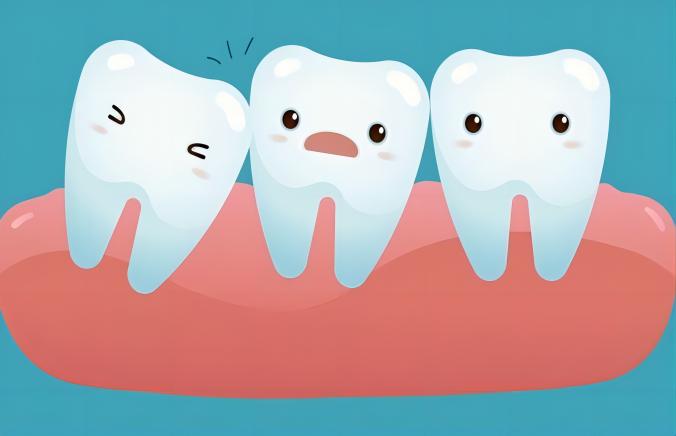
Back in the day, our ancestors needed wisdom teeth to chew through tough foods like raw meat and roots—their jaws were bigger, so there was plenty of space for them. But these days, our diets are way softer (hello, pizza and smoothies), and our jaws have gotten smaller over time. That’s why so many people have issues with wisdom teeth—there’s just not enough room in the mouth for them to grow in properly. But here’s the kicker: not everyone’s jaw is the same. Some people still have room, and their wisdom teeth grow in straight, just like any other tooth. Those lucky folks? They can leave them be. But for the rest of us? We might need a little intervention.
Another thing to know: wisdom teeth are also called third molars, and they’re way back in the mouth—so far back that brushing and flossing them is a total pain. Even if you’re a super diligent brusher, it’s hard to get all the plaque and food out from between your wisdom tooth and the tooth next to it. That’s why they’re more prone to cavities and gum issues than other teeth. But again—if they’re growing in straight and you can clean them easily? No problem. It’s when they’re crooked, impacted, or hard to reach that things start to go sideways.
Myth busting: “All wisdom teeth need to be pulled”
Let’s start with the biggest myth I hear all the time: “If you have wisdom teeth, you have to get them pulled.” Nope. Not even close. I’ve had patients who are 50 years old with all four wisdom teeth, and they’ve never had a cavity or a sore gum. Their teeth grew in straight, there’s plenty of space, and they can clean them without any trouble. Those teeth are just fine—no need to yank them out for no reason.
Dentists aren’t in the business of pulling teeth for fun (I promise!). We only recommend extraction if the wisdom teeth are causing problems, or if they’re almost definitely going to cause problems down the line. The goal is to prevent pain, infection, and damage to your other teeth—not to take out healthy teeth just because they’re wisdom teeth.
Another myth: “Wisdom teeth cause crowding in your front teeth.” I hear this one all the time, especially from people who just got braces. But here’s the truth: there’s no real evidence that wisdom teeth push your front teeth out of alignment. If your front teeth are crowding, it’s probably because of other factors—like genetics or thumb-sucking as a kid—not your wisdom teeth. So don’t blame your wisdom teeth for your crooked front teeth! That’s a common misconception that leads a lot of people to get unnecessary extractions.
And one more myth: “Getting wisdom teeth pulled is super painful and takes forever to recover.” Okay, so it’s not a walk in the park, but it’s not as bad as you think. Most people get local anesthesia, so you don’t feel a thing during the procedure. You might have some swelling and soreness for a few days, but you can take ibuprofen or paracetamol to help, and you’ll be back to eating solid food in a week or so. I’ve had patients who went back to work or school the next day—no biggie. The recovery is way easier when you’re younger, too, which we’ll talk about later.
So, to sum it up: Wisdom teeth don’t always need to be extracted. If they’re healthy, growing in straight, and easy to clean, you can leave them alone. The problem comes when they’re impacted, crooked, or causing issues—and that’s when you need to pay attention.
Advertisement
Advertisement
Tips For Getting Free Dental Work
1. Be prepared to provide documentation of your income and place of residence.
Many free dental clinics require patients to provide proof of income and residence in order to qualify for services.
2. Call ahead to schedule an appointment.
Most free dental clinics require patients to make an appointment in advance.