Oral health
What should you do if you knock out a tooth?
12min Read
Last Updated :Advertisement
Take action on the wound.
When a tooth is knocked out, it is vital to treat the wound correctly. First, remain calm and gently press a clean gauze or tissue to the bleeding area for about 10 to 15 minutes to stop the bleeding. Avoid licking the wound with your tongue as this may cause infection or aggravate the bleeding. Meanwhile, gently apply a cold compress (such as an ice pack or cold towel) to the injury for 15 to 20 minutes at a time to help reduce swelling and pain. If the wound is large or the bleeding cannot be stopped, seek medical attention immediately. While waiting for medical assistance, keep the wound clean, preferably by rinsing your mouth with warm salt water to help disinfect it and reduce the risk of infection. Proper management of a knocked-out tooth wound can reduce pain and complications, improve the chances of healing and get you back to health as soon as possible.
Save lost teeth.
When a precious tooth is gone from you in a flash, as if time has stopped, you can be thrown into a panic of not knowing what to do. Don't panic, hold the tooth tightly in your hand and be careful not to touch the root. Rinse gently with warm water and do not use soap or other chemicals that could harm the tooth. If possible, attempt to reinsert it into the socket, but if you can't, don't force it. Find salt water or a dental preservation solution and place the tooth in it, as if putting it on a safe ship. If neither is available, place the tooth in your mouth, but remember not to swallow it. With time running out, dashing to the dentist's office is like chasing a traveller on the last train, because the sooner you ask for help, the better your chances of saving the tooth. Your decisive action may achieve a reunion with your tooth instead of a permanent parting.
Receive professional treatment and restoration.
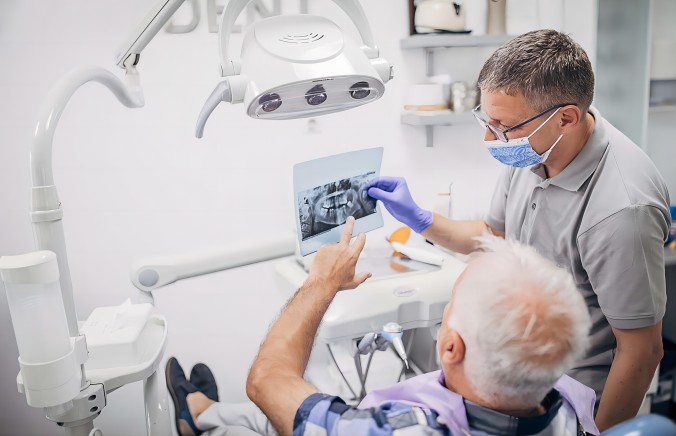
When a tooth is missing but still present, the doctor is like a skilled craftsman who carefully restores this precious "smile gem". First, the doctor will gently clean the injured area and carefully examine the tooth and surrounding tissues for damage. Then, using skill and judgement, they will attempt to reposition the tooth into its correct position and secure it with the help of supports. For more severely damaged teeth, the doctor may use root canal techniques to restore the tooth from the inside, followed by an external restoration using a material such as dental composite resin. In some cases, if it is not possible to save the natural tooth, the doctor may place a dental implant, which is like planting a new "tooth seed" in the "oral soil" that will grow into a perfect artificial tooth. Whichever method is used, the doctor will do his best to protect each and every precious tooth so that the patient can regain his smile and confidence.
What to expect after dental restoration.
When your precious tooth has undergone restoration, it is like a valiant warrior returning to the battlefield, and it needs careful care to stay in the fight. Firstly, keep in mind to avoid foods that challenge it, just like avoiding traps on the battlefield, so that the restored tooth is not re-injured. Maintaining oral hygiene is like providing soldiers with enough ammunition; regular brushing, flossing and mouthwash are essential. And regular follow-up appointments are like routine military checkups, allowing the doctor to examine and repair the damage to stay in the fight. Avoid battlefield poisons by quitting smoking and limiting alcohol to keep your oral environment fresh and healthy. Finally, developing good habits is like providing the right training for soldiers to keep their teeth strong and healthy by avoiding biting hard objects or overusing them. By taking these small steps, you will be able to guard your restored teeth so that they can once again show their strength on the battlefield of life and bring you a confident, bright smile.
Advertisement
Advertisement
Tips For Getting Free Dental Work
1. Be prepared to provide documentation of your income and place of residence.
Many free dental clinics require patients to provide proof of income and residence in order to qualify for services.
2. Call ahead to schedule an appointment.
Most free dental clinics require patients to make an appointment in advance.