Oral health
Do you know what a root canal is?
12min Read
Last Updated :Advertisement
How root canal therapy works.
One dental treatment for teeth suffering from pulpitis or pulp necrosis is root canal therapy. To remove damaged or necrotic pulp tissue, the dentist first drills the pulp chamber while the patient is unconscious. To eradicate the infection and stop it from returning, the dentist then cleans and disinfects the root canal. After cleaning, the dentist fills the root canal with a substance called a root canal filling. Finally, the dentist will cover the tooth with a temporary filling to protect it from future damage. If the tooth has healed, the dentist will remove the temporary filling at a follow-up appointment and replace the tooth with a permanent substance. The entire process may take several visits to complete. Infected teeth can be kept in place by root canal therapy, thus avoiding extraction and protecting your oral health.
Root canal procedure.
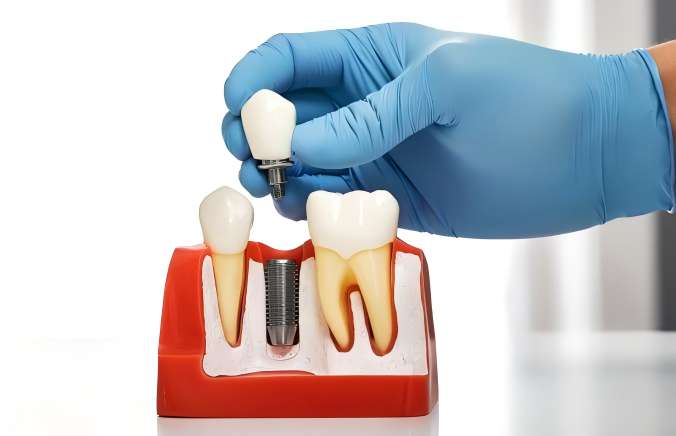
Root canal treatment involves the following procedure: After the dentist administers a local anaesthetic, a small hole is drilled into the top of the injured tooth. The dentist can extract the necrotic or diseased pulp tissue through this small hole. The dentist will then use specialised instruments to accurately measure the length of the root canal to ensure that it stops at the tip for cleaning and shaping. Afterwards, the dentist will use various sized files to shape and clean the root canals, with constant rinsing to remove bacteria and necrotic tissue. After cleaning and shaping the root canals, the dentist will sterilise the tooth and minimise the inflammation by inserting medication and then sealing the tooth temporarily. If the infection is controlled after a period of time, the dentist will seal the entrance with a permanent material and fill the root canal with a root canal filling, which is usually a rubbery material called gutta-percha. To restore the shape and function of the tooth, the dentist will eventually place a crown on the tooth. The whole process may take several visits to complete.
Who is a candidate for root canal treatment?
Patients with pulpitis or pulp necrosis are the main candidates for root canal treatment. Root canal treatment may be required when the pulp tissue of a tooth is infected due to decay, wear and tear, fracture or severe periodontal disease. An infected pulp manifests itself as persistent pain, especially when chewing or exerting force; it can also cause the tooth to be sensitive to hot and cold; the gums to become swollen and inflamed; and the tooth to weep fluid. In such cases, the dentist will usually recommend a root canal. Additionally, even in the absence of a toothache, a root canal may be necessary if the tooth is severely damaged, such as cracked, broken, or pierced by a sharp object. This is done to prevent pulp necrosis or infection. However, not every dental problem requires a root canal; the dentist will need to assess each patient's individual case before making a decision.
Post-root canal care and precautions.
Safety precautions and post-operative care need to be taken after root canal treatment. Firstly, it is normal to feel some discomfort in the first few days after treatment. The use of over-the-counter pain relievers such as ibuprofen, as directed by your dentist, can alleviate this discomfort. Second, do not chew on your newly treated tooth until it has completely healed. If the tooth feels loose or painful, contact your dentist immediately. After that, it is vital to maintain regular oral hygiene, including brushing, flossing, and rinsing, in order to prevent bacterial reinfection. Additionally, dental crowns, which are widely used restorations after root canal therapy, must be evaluated and renewed regularly. Finally, while root canals can save an infected tooth, prevention is always the best option. Regular dental checkups, proper oral hygiene habits, and a nutritious diet can all help avoid dental disease.
Advertisement
Advertisement
Tips For Getting Free Dental Work
1. Be prepared to provide documentation of your income and place of residence.
Many free dental clinics require patients to provide proof of income and residence in order to qualify for services.
2. Call ahead to schedule an appointment.
Most free dental clinics require patients to make an appointment in advance.