Tooth KnowLedge
Why are teeth sensitive?
10 mins Read
Last Updated :Advertisement
What is tooth sensitivity and its causes.
There is a layer of enamel on the outside of the teeth, which is the hardest tissue in the human body. When the integrity of this protective layer is damaged and the dentin is exposed to external stimulation, sensitivity symptoms will occur. This is what we call tooth sensitivity. So, what are the common causes of tooth sensitivity?
1. Cold stimulation: When the weather suddenly becomes cold, talking and opening your mouth will cause cold air to enter the mouth and stimulate the periodontal, which may cause symptoms of tooth sensitivity, such as toothache, tooth acidity, etc. Generally no special treatment is required;
2. Acidic food irritation: Drinking acidic drinks (such as carbonated soda, lemon juice, etc.) can also easily cause symptoms of dentin sensitivity;
3. Exposure of dentin defects: Mainly caused by caries, abrasion, acid erosion, periodontal scaling, trauma and other reasons. At this time, restorative dentin is not formed in a short period of time, so teeth will appear. Symptoms of sensitivity to mechanical, chemical and temperature stimulation, including soreness and softness of teeth. Generally, tooth sensitivity can resolve on its own as restorative dentin forms.
What should you do when you have symptoms of tooth
1. Maintain oral hygiene
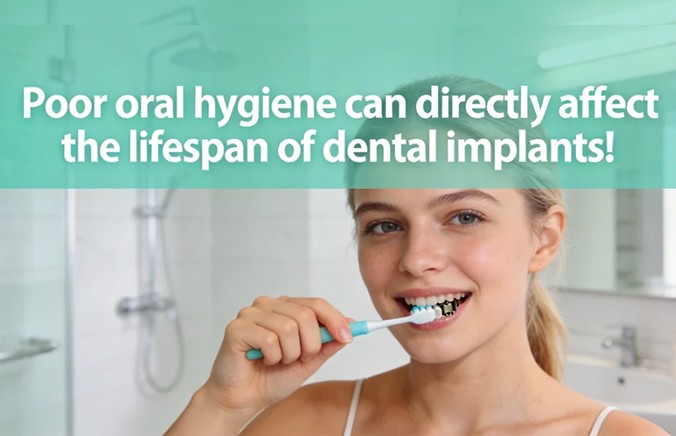
When symptoms of tooth sensitivity occur, you must pay more attention to oral hygiene. Brush your teeth every morning and evening to clean the dirt and bacteria on the tooth surface and reduce gum inflammation. In addition, using mouthwash or water to rinse your mouth after meals can help remove food residues in the mouth and reduce the formation of dental plaque. Minimize your intake of foods that are high in sugar or acid to reduce tooth sensitivity.
2. Choose desensitizing toothpaste
For mild tooth sensitivity, you can choose to use a desensitizing toothpaste. Special ingredients in desensitizing toothpaste can relieve tooth sensitivity and improve oral comfort. But please note that desensitizing toothpaste needs to be used consistently for about a week to see obvious results. If the symptoms of tooth sensitivity are severe, it is recommended that you seek examination and diagnosis from a professional dentist.
3. Desensitization treatment
When tooth sensitivity is mild, you can try using a desensitizer. Apply desensitizing agent to the sensitive areas of the teeth and seal them with the drug to cut off the transmission route of sensitivity. This method can effectively relieve tooth sensitivity for some patients.
4. Seek professional medical help
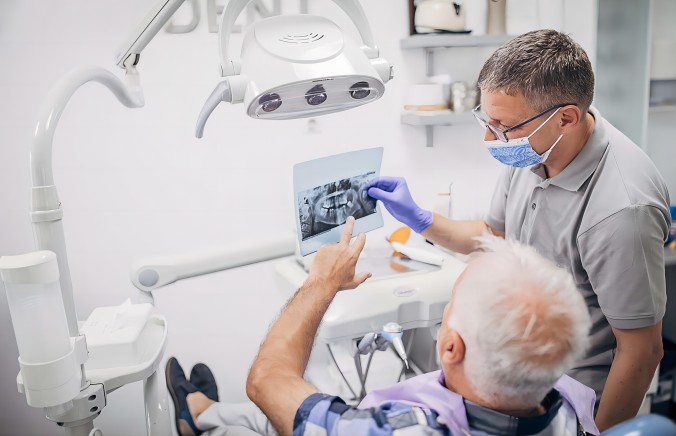
If the symptoms of tooth sensitivity still do not improve significantly after the above treatments, then you may have certain oral problems. At this time, you should promptly see a professional dentist for oral examination and diagnosis to find out the cause and take targeted treatment. Only by fundamentally solving oral problems can we better alleviate tooth sensitivity.
5. Pay attention to daily oral health care
In addition to the above measures, daily oral health care is also very important. Appropriate supplements of fluoride toothpaste to maintain the balance of oral flora; use soft-bristled toothbrushes to avoid hard toothbrushes from damaging the tooth surface; conduct regular oral examinations to detect and treat oral diseases in a timely manner. These can help reduce the risk of tooth sensitivity.
Advertisement
Advertisement
Tips For Getting Free Dental Work
1. Be prepared to provide documentation of your income and place of residence.
Many free dental clinics require patients to provide proof of income and residence in order to qualify for services.
2. Call ahead to schedule an appointment.
Most free dental clinics require patients to make an appointment in advance.