Tooth KnowLedge
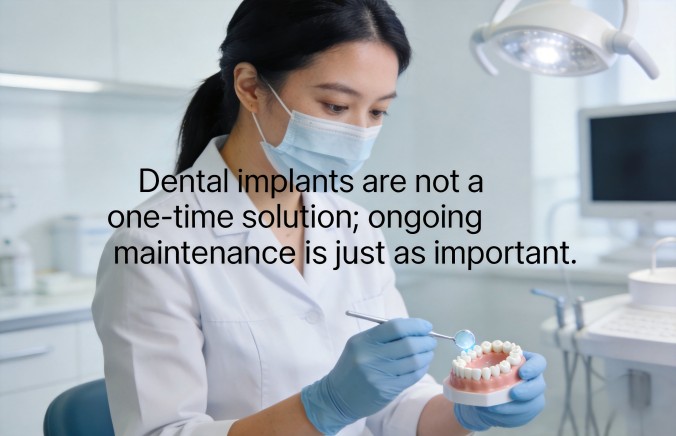
Poor oral hygiene can directly affect the lifespan of dental implants!
16mins Read
Last Updated :Advertisement
The Basics: Why Dental Implants Depend on Good Oral Hygiene
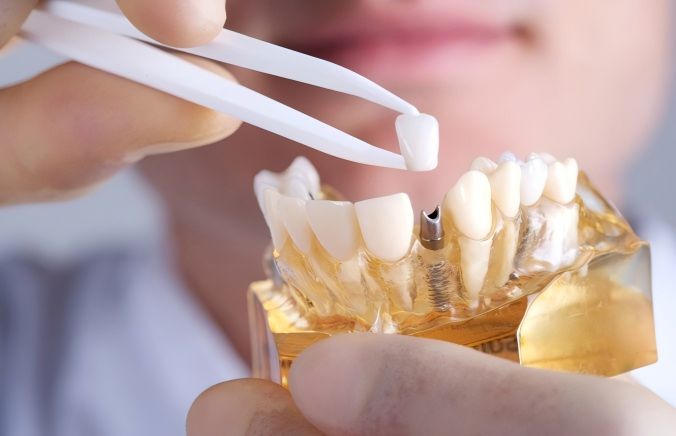
To understand how poor oral hygiene harms implants, it’s first essential to grasp how dental implants work—and why they’re uniquely vulnerable to bacterial buildup. Unlike natural teeth, which are anchored by a periodontal ligament (a soft tissue that acts as a buffer), dental implants fuse directly with the jawbone through a process called osseointegration. This fusion creates a strong, stable foundation for the artificial tooth (crown), but it also means the implant lacks the natural “protections” of a real tooth. The soft tissue surrounding the implant—called the peri-implant mucosa—forms a thin, delicate seal that keeps bacteria out of the implant-bone interface. When this seal is compromised by poor oral hygiene, bacteria can invade, triggering inflammation and damage that threatens the implant’s stability.
Dental implants, like natural teeth, are constantly exposed to plaque—a sticky film of bacteria that forms on all oral surfaces. Plaque contains harmful bacteria that produce acids and toxins, which irritate the gums and break down bone over time. For natural teeth, this leads to gum disease and tooth decay; for implants, it leads to peri-implant diseases, the primary cause of implant failure. A 2025 systematic review published in PMC, which analyzed 102 studies involving over 13,000 patients, found that poor plaque control and inadequate maintenance are strongly correlated with peri-implant diseases, which affect more than half of implant patients over a 10-year period. This research confirms what dental professionals have long known: oral hygiene isn’t an afterthought for implant patients—it’s the cornerstone of long-term success.
Peri-Implant Mucositis: The First Warning Sign of Poor Hygiene
The first consequence of poor oral hygiene for implant patients is peri-implant mucositis—a reversible inflammatory condition that affects the soft tissue surrounding the implant. Think of it as the “gum disease” of implants: it occurs when plaque and tartar accumulate around the implant, irritating the peri-implant mucosa. Unlike peri-implantitis (a more severe condition we’ll discuss next), mucositis does not cause bone loss—but it’s a critical warning sign that your oral hygiene routine is insufficient. If addressed early, it can be reversed; if ignored, it will almost always progress to more serious damage.
Clinical studies show just how common peri-implant mucositis is: the PMC systematic review found that 46% of implant patients develop mucositis at some point, with a weighted mean incidence rate of 53% within 20 years of implant placement. The symptoms are hard to miss: red, swollen, or tender gums around the implant, bleeding when brushing or flossing, and mild discomfort or a “foreign body” sensation. These symptoms occur because bacteria in plaque trigger an immune response, causing the soft tissue to become inflamed. For many patients, this is a wake-up call—but others dismiss it as “normal” post-implant soreness, allowing the problem to escalate.
Dr. Elena Marquez, a prosthodontist at the University of Barcelona and lead author of a 2024 study on peri-implant care, explains: “Peri-implant mucositis is 100% preventable with good oral hygiene, and 100% reversible if treated early. But when patients skip brushing around the implant, use the wrong tools, or skip dental check-ups, plaque builds up, and the inflammation sets in. The longer it’s left untreated, the more likely it is to progress to peri-implantitis, which can permanently damage the bone supporting the implant.” A 2025 study in Frontiers in Oral Health found that patients who improved their oral hygiene routines saw a complete resolution of mucositis symptoms within 4–6 weeks, highlighting the power of proactive care.
Advertisement
Advertisement
Tips For Getting Free Dental Work
1. Be prepared to provide documentation of your income and place of residence.
Many free dental clinics require patients to provide proof of income and residence in order to qualify for services.
2. Call ahead to schedule an appointment.
Most free dental clinics require patients to make an appointment in advance.