Dental Implant
Dental implants are not a one-time fix; proper aftercare is equally crucial.
15mins Read
Last Updated :Advertisement
Scientific aftercare is the key to extending the lifespan of dental implants.
Many patients with missing teeth fall into a misconception after dental implant surgery: they believe that because the implant material is hard and stable, they can rest easy for life. Many people, after paying a high price for implant surgery, experience normal chewing and a beautiful appearance in the short term, and then begin to eat recklessly, neglecting oral care. This eventually leads to problems such as implant loosening, gingivitis, and crown damage, sometimes requiring secondary restorations within just a few years. Dentists remind us: dental implants do not have a permanent warranty. A successful surgery is only the foundation; scientific aftercare is the core key to extending the lifespan of dental implants.
I. Debunking the Misconception: Dental Implants Are Not "Permanently Indestructible" Dentures
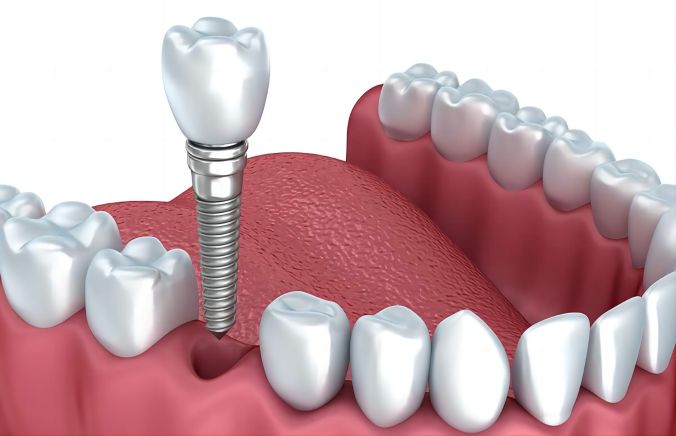
Compared to porcelain crowns and removable dentures, dental implants have become the preferred method for tooth replacement due to their independent roots, minimal damage to adjacent teeth, and high degree of realism. While titanium alloy implants do not decay like natural teeth, this does not mean they are indestructible. The biggest enemies of dental implants are not wear and tear, but inflammation, external force damage, and improper cleaning.
According to clinical oral data, dental implants performed professionally in reputable institutions have a success rate of over 98%. However, their lifespan varies greatly. Well-maintained implants can last 20 to 30 years, or even a lifetime; while those neglected have a failure rate as high as 35% within five years. Many people mistakenly believe that the repair is complete after surgery, but in reality, 70% of the lifespan of a dental implant depends on post-operative maintenance, while surgical technique accounts for only 30%. Abandoning the idea of a one-time fix is the first step in maintaining dental implants.
II. Addressing the Pain Points: Common Causes of Dental Implant Damage
1. Peri-implantitis, the Leading Culprit of Implant Failure
This is the most common complication of dental implants. Daily food debris and plaque accumulate in the gaps between the implant and the gums. Inadequate cleaning leads to bacterial growth, causing gum redness, swelling, and bleeding, which in turn erodes the alveolar bone. 1. Natural teeth are buffered and protected by the periodontal ligament, while dental implants lack this protective layer. Once the alveolar bone undergoes resorption and atrophy, the implant will gradually loosen and eventually fall out; this damage is irreversible.
2. Poor dietary habits accelerate implant wear. Many patients, after resuming normal chewing after surgery, begin frequently biting hard objects such as nuts, bones, crab shells, and hard candy, all of which put enormous occlusal pressure on the implant. Although the implant itself is not easily broken, the porcelain crown on top is relatively brittle and prone to chipping and breakage. Long-term excessive biting can also cause implant displacement and screw loosening, creating potential safety hazards.
3. Neglecting regular checkups allows small problems to develop into major issues. Many people stop attending follow-up appointments after dental implant surgery if they experience no pain. Early-stage oral inflammation is highly insidious; plaque buildup and bone resorption below the gum line are difficult to observe with the naked eye. By the time swelling, pain, and loosening occur, the damage is often irreversible. Furthermore, smoking, staying up late, and high blood sugar all reduce oral resistance and accelerate implant aging.
Advertisement
Advertisement
Tips For Getting Free Dental Work
1. Be prepared to provide documentation of your income and place of residence.
Many free dental clinics require patients to provide proof of income and residence in order to qualify for services.
2. Call ahead to schedule an appointment.
Most free dental clinics require patients to make an appointment in advance.