Tooth KnowLedge
Understanding tooth decay: formation, treatment, and prevention.
10 mins Read
Last Updated :Advertisement
formation of cavities
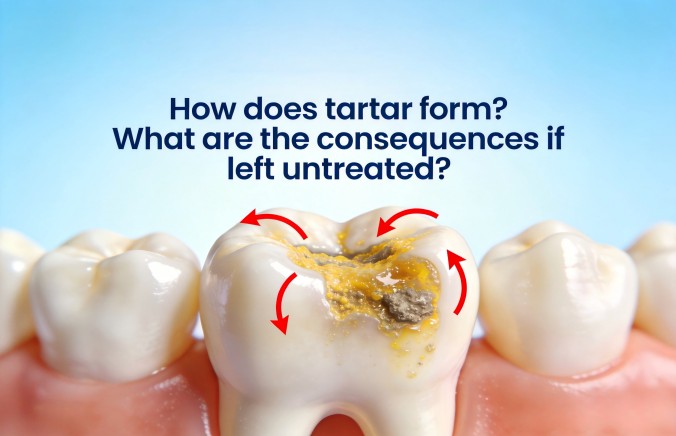
Tooth decay, also known as dental caries or cavities, is an oral health problem that occurs primarily when the protective enamel of the teeth is weakened by acids produced by oral bacteria. When these acids eat away at tooth enamel, they can create small holes or cavities in the teeth, which can lead to tooth decay. The early stages of this problem may appear as white spots on the teeth, which is a sign of enamel demineralization. If action is not taken promptly, these white spots can progress and lead to deeper cavities, which can lead to pain, sensitivity, and possibly even tooth loss. There are many factors that contribute to the development of tooth decay, including poor oral hygiene, frequent consumption of sugary or acidic foods and drinks, inadequate fluoride exposure, and certain medical conditions. Understanding and avoiding these factors is critical to preventing tooth decay.
Tooth decay treatment
How tooth decay is treated depends on the severity of the condition. In the early stages, when decay is limited to the enamel, remineralization techniques can be an effective treatment. This technique helps restore lost minerals and strengthen tooth enamel through fluoridation treatments, the use of fluoridated toothpaste and mouthwash, and dietary changes such as reducing sugar intake. However, once the decay extends beyond the enamel and reaches the dentin or pulp, more extensive treatment is required. This may involve removing decayed tissue and placing a tooth filling, crown, or root canal treatment to restore the structure and function of the tooth. In some cases, if a tooth is severely damaged, an extraction may be necessary to prevent further complications.
Prevent tooth decay
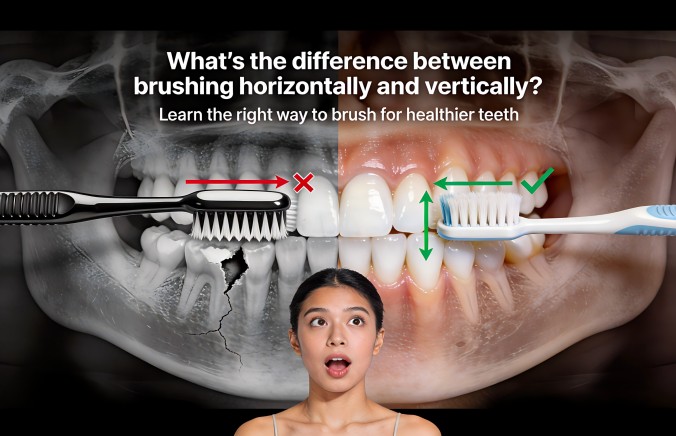
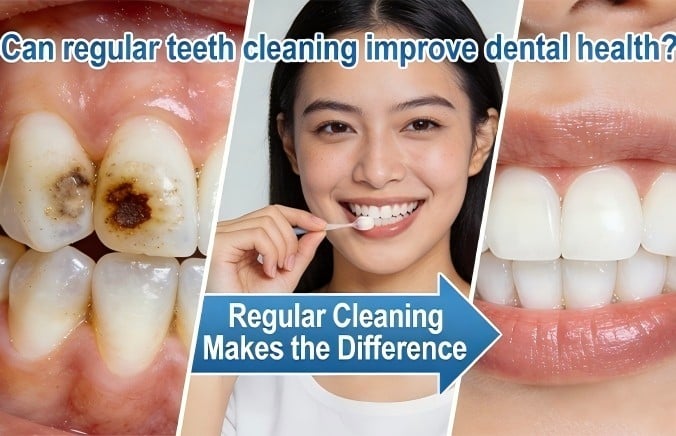
Preventing tooth decay is key to maintaining optimal oral health. Good oral hygiene habits are the basis for preventing tooth decay. Brushing twice a day with fluoride toothpaste, flossing daily, and using mouthwash can all help remove plaque and bacteria from your teeth and gums. In addition, a balanced diet is also an important part of preventing tooth decay. The diet should be rich in fruits, vegetables and dairy products, while minimizing intake of sugary and acidic foods and drinks. These foods and drinks may increase the risk of tooth enamel erosion and tooth decay. Regular dental checkups and cleanings are also important measures to prevent tooth decay. Your dentist may recommend dental sealants or fluoride treatments to enhance tooth protection, especially for children and people at high risk for tooth decay. By taking these preventive measures, we can effectively reduce the risk of tooth decay and maintain a healthy oral cavity.
Advertisement
Advertisement
Tips For Getting Free Dental Work
1. Be prepared to provide documentation of your income and place of residence.
Many free dental clinics require patients to provide proof of income and residence in order to qualify for services.
2. Call ahead to schedule an appointment.
Most free dental clinics require patients to make an appointment in advance.