Tooth KnowLedge
Can Regular Teeth Cleaning Improve Dental Health?
15mins Read
Last Updated :Advertisement
What Is a Professional Teeth Cleaning, Anyway?
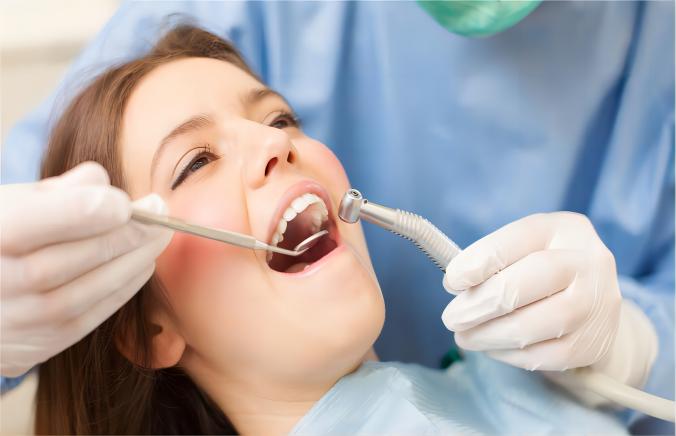
First, let’s make sure we’re on the same page. A professional teeth cleaning (also called a prophylaxis) is a deep clean done by a dental hygienist or dentist. It’s way more than just brushing your teeth at home. Here’s what it typically involves, in plain English:
1. A Thorough Exam
Before the cleaning even starts, your dentist or hygienist will check your teeth and gums. They’ll look for signs of cavities, gum disease, enamel wear, or other issues. This is a chance for you to ask questions or mention any pain or sensitivity you’ve been feeling.
2. Plaque and Tartar Removal
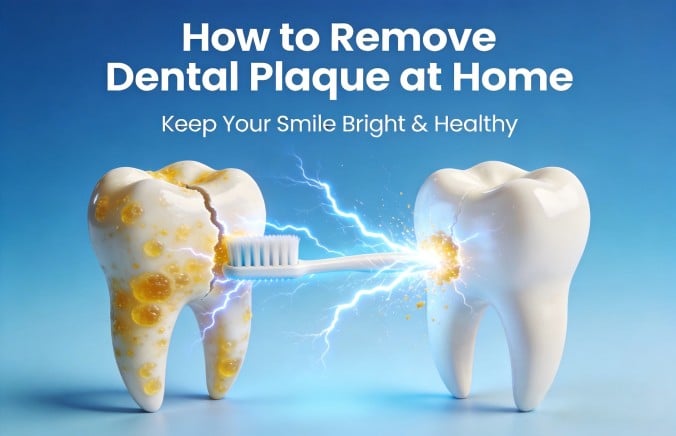
This is the main event. Plaque is the sticky, colorless film of bacteria that forms on your teeth every day. You can remove plaque with brushing and flossing, but if you don’t get it all, it hardens into tartar (calculus). Tartar is tough stuff—your at-home tools can’t remove it. Only a professional cleaning can get rid of it, using special tools like scalers and ultrasonic cleaners.
3. Polishing
After removing the tartar, your teeth are polished with a special toothpaste and a brush or rubber cup. This smooths the tooth surface, making it harder for plaque and tartar to stick to them again. It also gives your teeth a nice, clean shine.
4. Flossing (Yes, They’ll Floss You!)
Your hygienist will floss between each of your teeth to remove any leftover plaque or food particles that the scaler missed. This is a crucial step that many people skip at home.
5. Optional Treatments
Depending on your oral health, your dentist might add things like fluoride treatments (to strengthen enamel) or sealants (to protect against cavities in kids and adults).
So, regular cleanings are a deep, professional service that your at-home routine can’t replicate. That’s why they’re so important.
Why Regular Cleaning Is a Game-Changer for Dental
Let’s dive into the why. Why is something that feels so routine actually one of the best investments you can make in your teeth? It all comes down to the specific benefits it provides, each one playing a key role in keeping your mouth healthy.
1. Prevents Gum Disease (The Silent Killer of Teeth)
Gum disease is no joke. It’s the leading cause of tooth loss in adults, and it starts so quietly you might not even notice. The early stage is called gingivitis, and it’s caused by plaque buildup along the gumline. Symptoms include red, swollen gums that bleed when you brush.
Regular cleanings remove that plaque before it turns into gingivitis. If you catch it early, gingivitis is completely reversible. If you skip cleanings, it progresses to periodontitis, where the gums pull away from the teeth, the bone supporting them starts to dissolve, and teeth can become loose or fall out.
Cleanings keep your gums healthy by eliminating the bacteria that cause this damage. It’s like giving your gums a fresh start every few months.
2. Stops Cavities Before They Start
We all know brushing helps prevent cavities, but it’s not foolproof. Cavities form when bacteria in plaque feed on sugars from your food and produce acid, which eats away at your enamel.
Even with daily brushing, plaque can build up in hard-to-reach places: between teeth, along the gumline, in the grooves of your molars. Professional cleanings remove this hidden plaque, eliminating the acid-producing bacteria before they can cause damage.
Additionally, cleanings often include fluoride treatments (if needed). Fluoride is a mineral that strengthens your enamel, making it more resistant to acid attacks. It’s like a shield for your teeth.
3. Freshens Breath (For Good, Not Just a Day)
Bad breath (halitosis) is usually caused by bacteria in your mouth that break down food particles and produce foul-smelling gases. Brushing and flossing can help, but if there’s tartar or food trapped under your gums, the smell lingers.
Professional cleanings remove all that buildup, so the bacteria that cause bad breath are gone. The result? Fresh, clean breath that lasts—way better than the temporary fresh feeling from a mint or mouthwash.
4. Saves You Money (Huge!)
This is a big one. Dental care can be expensive, and preventing problems is way cheaper than fixing them.
A routine cleaning might cost around $100–$200 (varies by location). Compare that to a filling ($150–$300), a root canal ($800–$1,500), or an implant ($1,500–$3,500+). Skipping cleanings now means you’ll likely pay a lot more later.
Regular cleanings catch small issues before they become big, expensive ones. It’s like getting an oil change for your car—you spend a little now to avoid a much bigger repair bill later.
5. Keeps Your Smile Looking Its Best
Let’s be real—no one likes stained teeth. Coffee, tea, wine, smoking, and even some foods can leave deposits on your teeth. Brushing can remove some surface stains, but professional cleanings get rid of the deeper ones.
The polishing step alone makes your teeth look brighter and cleaner. A healthy smile boosts your confidence, and regular cleanings help you maintain that bright, white look without expensive whitening treatments (though whitening is an option if you want it).
6. Supports Overall Health
Your mouth is connected to the rest of your body. Poor oral health isn’t just about bad teeth—it’s linked to serious systemic health issues.
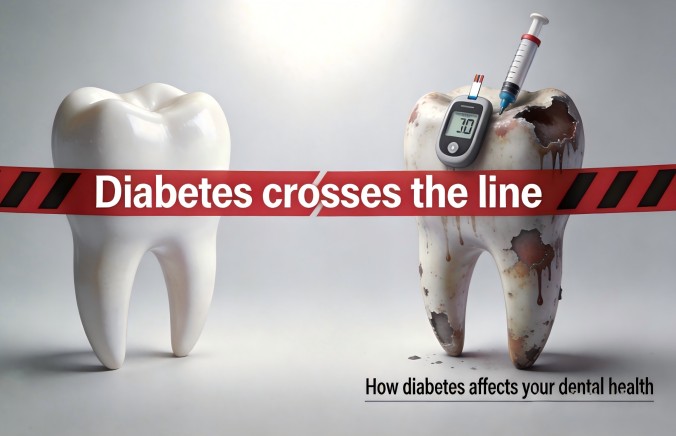
Research has linked gum disease to an increased risk of heart disease, diabetes, respiratory infections, and even complications during pregnancy. Regular cleanings keep your gums healthy, which in turn keeps your body healthier.
It’s not just about your teeth—it’s about your whole well-being.
Advertisement
Advertisement
Tips For Getting Free Dental Work
1. Be prepared to provide documentation of your income and place of residence.
Many free dental clinics require patients to provide proof of income and residence in order to qualify for services.
2. Call ahead to schedule an appointment.
Most free dental clinics require patients to make an appointment in advance.