Dental insurance
Teeth and Insurance: Does Your Health Plan Actually Pay for Dental Care?
15mins Read
Last Updated :Advertisement
Understanding How Insurance Works for Dental Treat
For many people around the world, medical insurance provides peace of mind when facing unexpected health problems. Doctor visits, hospital stays, surgeries, and prescription medications are often covered under health insurance plans. However, when it comes to dental care, many individuals are surprised to learn that coverage is not always straightforward.
A common question people ask is: Does health insurance cover dental treatment? The answer depends on several factors, including the type of insurance policy, the country’s healthcare system, and the nature of the dental procedure itself. Understanding how insurance works in relation to dental treatment can help patients avoid unexpected expenses and make better decisions about their healthcare.
Why Dental Care Is Often Treated Differently
Unlike many medical treatments, dental services are frequently classified separately in insurance systems. Health insurance policies are primarily designed to cover conditions that affect general physical health, while dental care is often viewed as a specialized field with its own insurance structure.
Because of this separation, routine dental services are usually excluded from basic medical insurance plans. Instead, these services are often covered under separate dental insurance policies or optional add-on benefits.
This distinction exists in many parts of the world, including North America, Europe, Asia, and Australia. While healthcare systems differ from country to country, the separation between medical and dental coverage is a common theme.
Dental Treatments That Are Usually Not Covered
In most health insurance policies, routine dental care is not included in standard coverage. These services are typically considered preventive or elective rather than medically necessary.
Examples of commonly excluded dental treatments include:
Routine dental examinations
Professional teeth cleaning
Cavity fillings
Cosmetic procedures such as whitening
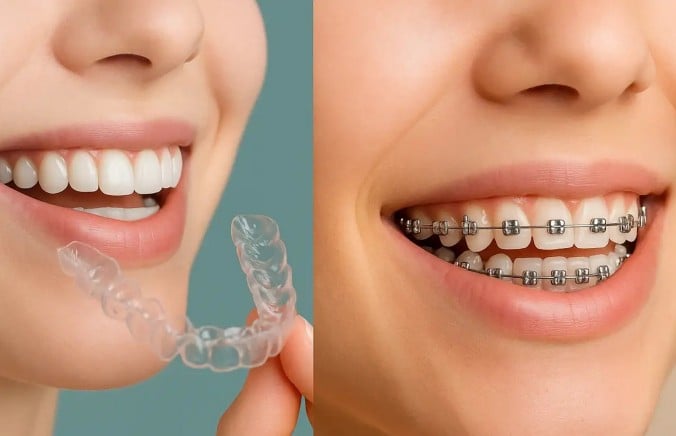
Orthodontic treatments like braces
Replacement of missing teeth for cosmetic purposes
Because these treatments are viewed as part of routine oral maintenance, insurance providers often expect patients to pay for them out of pocket or through separate dental plans.
When Health Insurance May Cover Dental Treatment
Although routine dental care is often excluded, there are situations where dental treatment may be covered under health insurance. These situations usually involve medical complications, accidents, or procedures that affect overall health rather than just the teeth.
1. Dental injuries caused by accidents
If a person damages their teeth in an accident—such as a fall, sports injury, or traffic collision—the treatment required to repair the damage may be covered under medical insurance. In these cases, dental procedures are considered part of emergency medical treatment rather than routine dental care.
For example, if a person fractures their jaw or loses teeth in an accident, the surgical procedures needed to repair the injury may be included in medical insurance coverage.
2. Oral surgery performed in a hospital
Some dental procedures are classified as surgical treatments that must be performed in a hospital environment. These procedures may involve complex operations affecting the jaw, bones, or surrounding tissues.
When dental treatment is part of a medically necessary surgical procedure and requires hospitalization, health insurance policies may cover part or all of the treatment cost, depending on the policy terms.
3. Dental care related to medical conditions
Certain health conditions may require dental procedures as part of a broader treatment plan. For example, patients undergoing treatment for serious illnesses or those experiencing infections that spread beyond the mouth may require specialized dental intervention.
In such cases, insurance companies may review the situation individually and determine whether the procedure qualifies for medical coverage.
Advertisement
Advertisement
Tips For Getting Free Dental Work
1. Be prepared to provide documentation of your income and place of residence.
Many free dental clinics require patients to provide proof of income and residence in order to qualify for services.
2. Call ahead to schedule an appointment.
Most free dental clinics require patients to make an appointment in advance.