Tooth KnowLedge
Can Dental Crowns Be Harmful? A Fact-Based Look at the Health Risks of Dental Crowns
15mins Read
Last Updated :Advertisement
Do You Understand Dental Crowns?
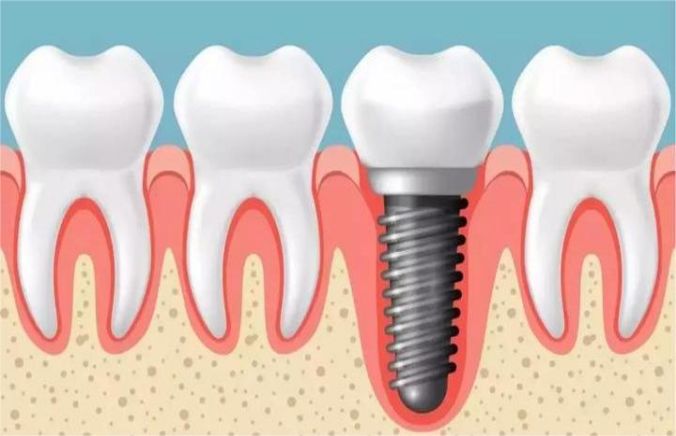
Many people come across the term “dental crown” when undergoing dental restoration. Simply put, a dental crown is a “protective cap” placed over a damaged tooth to restore its shape and function. But this raises a question: Can dental crowns be harmful to the body? Can they cause health problems?
First, we can conclude that in most cases, dental crowns are safe. Whether they are metal crowns, all-ceramic crowns, or porcelain-fused-to-metal crowns, as long as they are made from approved materials and installed according to standard procedures, they generally do not cause significant harm to the body. Moreover, these materials have been used in dentistry for many years, and the technology is well-established.
However, this does not mean there is absolutely “zero risk.” In some cases, certain issues may indeed arise.
1. Gum Discomfort or Inflammation
Some people experience redness, swelling, bleeding, or even pain in their gums after getting a dental crown. This is usually not because the crown is “toxic,” but rather due to poor marginal fit or inadequate cleaning. If there is a gap between the crown and the tooth, food debris can easily get trapped there, leading to bacterial growth and, over time, gingivitis.
That’s why many dentists emphasize that brushing and flossing become even more important after getting a dental crown.
2. Material Allergies (Though Rare)
Some crowns contain metals, such as nickel-chromium alloys. A very small number of people may have an allergic reaction to these metals, resulting in oral discomfort, bad breath, or even mild inflammation. However, this is truly uncommon, and most people experience no issues at all. Many dental clinics now ask in advance if you have a history of metal allergies to prevent such issues. Furthermore, with advancements in materials, all-ceramic crowns are becoming increasingly common—they not only look more natural but are also safer. If you tend to have allergic reactions to earrings or necklaces, be sure to mention this before getting a crown; don’t wait until you experience discomfort to discover the problem.
3. Tooth Sensitivity or Pain
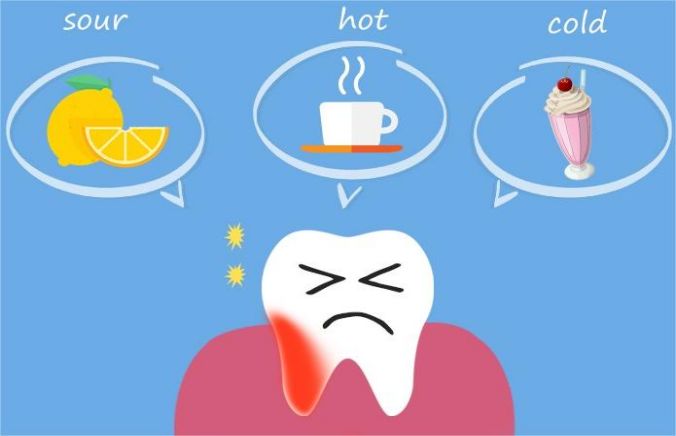
Right after getting a crown, some people may feel particularly sensitive to hot or cold stimuli, or even experience a slight ache when biting down. This is actually quite common, so there’s no need to worry too much—it’s mostly because the tooth has just been prepared and hasn’t fully adjusted yet. Simply put, it’s still in the “recovery period.” For some, it resolves in a few days; for others, it may take a week or two. During this time, try to avoid eating foods that are too cold or too hot—this will make you feel much more comfortable. However, if this sensitivity persists or even worsens, you shouldn’t delay seeking help. It could indicate that the tooth’s nerve is affected or that the crown doesn’t fit properly. It’s best to return to the dentist for an examination as soon as possible.
4. Problems Caused by Malocclusion
If a dental crown is made even slightly too high, you may feel that your bite feels “off” when chewing, or you might even subconsciously avoid using that tooth. Some people may also experience difficulty chewing, and over time, they might even feel jaw soreness or fatigue. This is actually the result of an unbalanced bite. If left unadjusted, the long-term uneven distribution of force could potentially affect other teeth or the temporomandibular joint. However, this issue isn’t complicated; it can usually be resolved with a simple adjustment by the dentist. So, if you experience any discomfort, don’t just tough it out—the sooner you get it adjusted, the easier it will be.
Advertisement
Advertisement
Tips For Getting Free Dental Work
1. Be prepared to provide documentation of your income and place of residence.
Many free dental clinics require patients to provide proof of income and residence in order to qualify for services.
2. Call ahead to schedule an appointment.
Most free dental clinics require patients to make an appointment in advance.