
Tooth KnowLedge
Can diabetics get dental implants?
16mins Read
Last Updated :Advertisement
The Link Between Diabetes and Tooth Loss: Why Implants Matter
Why Diabetes Affects Dental Implant Success: The Science Explained
The success of dental implants depends on osseointegration—the process by which the titanium implant fuses with the jawbone, providing a stable foundation for the crown. For patients with diabetes, three major effects of chronic hyperglycemia threaten this process: impaired wound healing, increased risk of infection, and disrupted bone metabolism.
First, diabetes reduces blood supply to the gums and impairs the body's ability to produce the cells needed to repair tissue, thus delaying wound healing. After implant surgery, a healthy immune system and adequate blood supply are crucial for the closure of the surgical site and the initiation of osseointegration. Poorly controlled diabetes can lead to delayed healing, with the surgical site taking 3-4 weeks to initially heal—twice as long as in non-diabetic patients—increasing the risk of infection and implant failure. High blood sugar also weakens the immune system, making it harder for the body to fight off bacteria entering the surgical site, leading to peri-implantitis (inflammation around the implant) and ultimately implant loss.
Second, diabetes disrupts bone metabolism, reducing bone density and impairing the body's ability to regenerate bone. The jawbone relies on regular stimulation (such as chewing) to maintain its density; tooth loss eliminates this stimulation, and diabetes accelerates bone resorption (dissolution). A systematic review found that marginal bone resorption around implants was more severe in diabetic patients than in non-diabetic patients, with the interosseous space widening over time—averaging 0.776 mm, and an additional 0.032 mm lost each month during follow-up. This bone resorption weakens the implant base, increasing the risk of loosening or failure.
However, not all diabetic patients face the same risks. Patients with type 1 diabetes, due to very little or no insulin secretion, have a higher risk of implant failure than those with type 2 diabetes—according to a meta-analysis, the failure rate in type 1 patients is 4.4 times higher. This is because type 1 diabetes is often diagnosed at a younger age, leading to a chronic state of hyperglycemia, which increases the risk of microvascular complications, thereby impairing blood flow and wound healing. Furthermore, the duration of diabetes is also important: the longer the duration, the more severe the oral health problems, even with good blood sugar control, and the lower the implant success rate.
Advertisement
Advertisement
Tips For Getting Free Dental Work
1. Be prepared to provide documentation of your income and place of residence.
Many free dental clinics require patients to provide proof of income and residence in order to qualify for services.
2. Call ahead to schedule an appointment.
Most free dental clinics require patients to make an appointment in advance.
Dental Articles
-
-
Tooth KnowLedge
10 mins Read - How should children protect their dental health?
-
-
-
Tooth KnowLedge
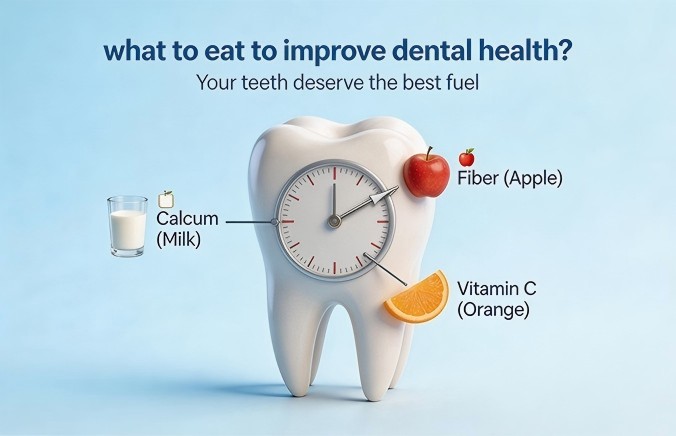
15mins Read - What to eat to improve dental health?
-
-
-
Dental insurance
15mins Read - Does Optima Health Dental Actually Cover It? A Guide to Understanding the Coverage Details So You Don’t Waste Money
-
-
-
Tooth KnowLedge,Dental Implant
15mins Read - Dental implants are not a one-time fix; proper aftercare is equally crucial.
-
-
-
Oral health
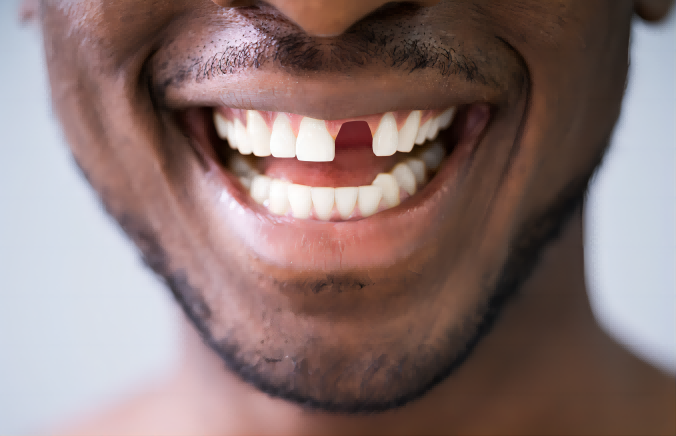
12min Read - What should you do if you knock out a tooth?
-
-
-
Tooth KnowLedge
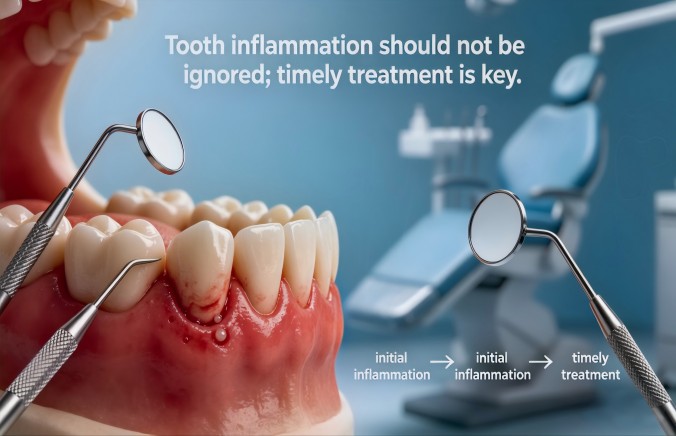
15mins Read - Tooth inflammation should not be ignored; timely treatment is key.
-
-
-
Dental Implant
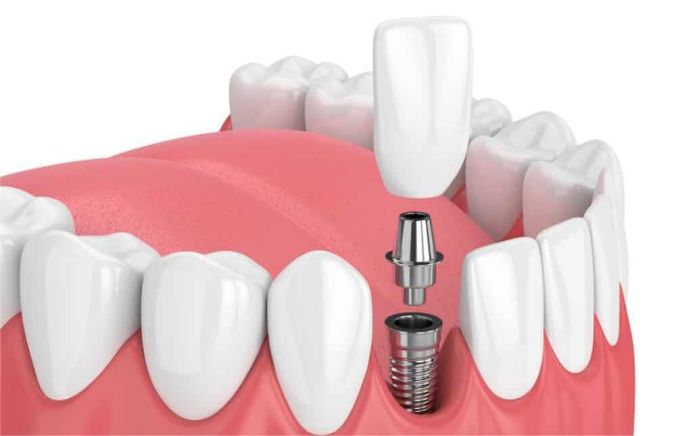
12 mins Read - Dental implant treatment options and related planning
-
-
-
Tooth KnowLedge
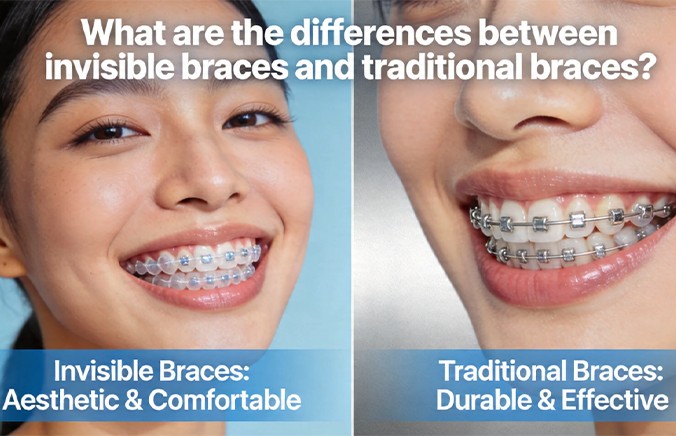
16mins Read - What are the differences between invisible braces and traditional braces?
-
-
-
Dental insurance
20mins Read - Does Health Insurance Cover Dental Implants? A Complete Guide for International Patients
-