Dental insurance
Does Health Insurance Cover Dental Implants? A Complete Guide for International Patients
20mins Read
Last Updated :Advertisement
Does health insurance cover dental implants?
Dental implants have become one of the most popular and reliable solutions for replacing missing teeth. For many people around the world, they offer a long-term alternative to dentures or dental bridges. However, dental implants are also known for being relatively expensive. Because of this, a common question people ask before starting treatment is: Does health insurance cover dental implants?
The answer is not always simple. Coverage depends on several factors, including the country you live in, the type of insurance you have, and the medical reason for the implant. In this article, we will explore how dental implant coverage works in different situations and what international patients should know before beginning treatment.
Understanding Dental Implants
Before discussing insurance coverage, it is helpful to understand what dental implants are and why they are used.
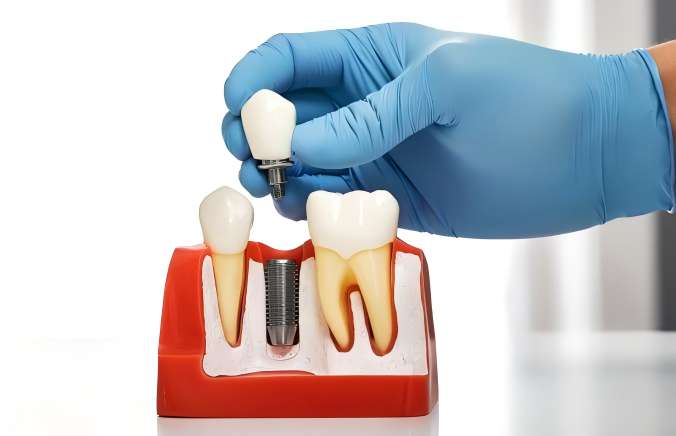
A dental implant is a small titanium post that is surgically placed into the jawbone to replace the root of a missing tooth. Once the implant integrates with the bone, a crown, bridge, or denture is attached to restore the appearance and function of the tooth.
Dental implants are often recommended because they:
Look and feel like natural teeth
Provide strong chewing ability
Help prevent bone loss in the jaw
Can last many years with proper care
However, the total cost of dental implant treatment can range from several hundred to several thousand dollars per tooth, depending on the country and complexity of the procedure. Because of this cost, many patients rely on insurance to help cover part of the treatment.
Health Insurance vs. Dental Insurance
One of the most important things to understand is the difference between health insurance and dental insurance.
Health insurance usually covers medical conditions related to overall health, such as hospital care, surgery, and treatment for illnesses. Dental insurance, on the other hand, focuses specifically on oral health services like cleanings, fillings, and sometimes more complex dental procedures.
In many countries, dental implants are considered a dental or cosmetic procedure rather than a medical necessity. Because of this classification, standard health insurance plans often do not cover dental implants.
However, there are exceptions.
When Health Insurance May Cover Dental Implants
Although most health insurance plans do not routinely cover dental implants, there are situations where coverage may be possible. These cases usually involve medical conditions rather than purely dental concerns.
For example, insurance may help cover implants if the tooth loss is caused by:
Serious accidents or trauma
If a person loses teeth due to a car accident, sports injury, or other physical trauma, the reconstruction of the jaw and teeth may be considered part of medical treatment.
Cancer treatment or jaw surgery
Patients who have undergone surgery for oral cancer or other medical conditions affecting the jaw may require implants as part of their reconstruction.
Congenital conditions
Some individuals are born with conditions that affect tooth development. In certain cases, implants may be considered medically necessary.
Severe bone damage or disease
When jawbone loss is caused by medical diseases rather than routine dental issues, insurance providers may review the case individually.
Even in these situations, coverage often requires documentation from doctors and dentists explaining why implants are medically necessary.
Advertisement
Advertisement
Tips For Getting Free Dental Work
1. Be prepared to provide documentation of your income and place of residence.
Many free dental clinics require patients to provide proof of income and residence in order to qualify for services.
2. Call ahead to schedule an appointment.
Most free dental clinics require patients to make an appointment in advance.