Tooth KnowLedge
Decoding tooth sensitivity: Do you really understand it?
10 mins Read
Last Updated :Advertisement
What is tooth sensitivity
Teeth, as an indispensable "partner" in our daily life, undertake multiple functions such as chewing food and assisting pronunciation. However, when teeth become sensitive, these daily activities may be affected, and even cause pain and discomfort.
Tooth sensitivity, also known as dentin sensitivity, refers to the short and sharp pain or discomfort of teeth when they are stimulated by external stimuli (such as cold, heat, acid, sweet or mechanical stimulation). This sensitivity usually stems from the exposure of dentin (the hard tissue inside the tooth, covering the pulp). When the enamel (the outermost hard shell of the tooth) is damaged due to wear, caries, gum recession or periodontal disease, the dentinal tubules (the tiny tubes connecting the pulp to the tooth surface) are exposed, allowing external stimuli to directly act on the pulp and cause a painful response.
Causes of tooth sensitivity
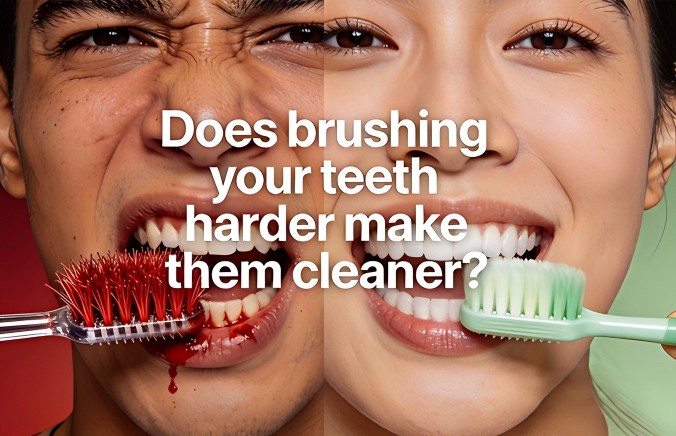
Enamel wear: Long-term incorrect brushing methods (such as excessive force), using hard toothbrushes or overusing abrasive toothpastes will accelerate the wear of enamel and lead to dentin exposure.
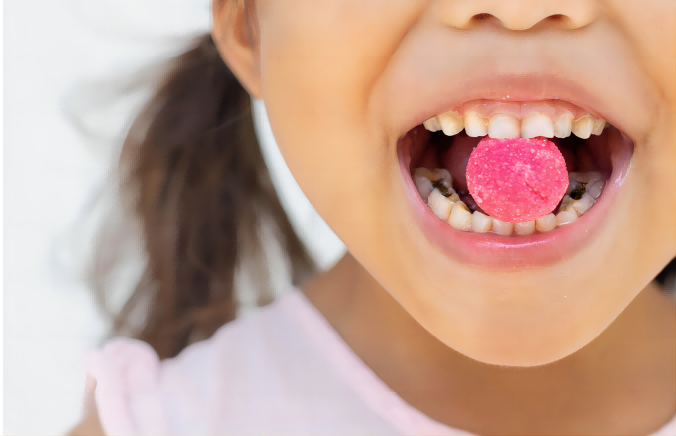
Tooth decay: Untreated tooth decay can destroy tooth enamel and dentin, forming cavities and making teeth more sensitive.
Gum recession: Periodontal disease, incorrect brushing methods or long-term improper flossing can cause the gum margin to recede, exposing more root dentin.
Periodontal disease: Inflammation and destruction of periodontal tissues not only affect gum health, but can also lead to alveolar bone resorption, loosening teeth, and further exacerbating dentin exposure.
Discomfort after tooth correction or restoration: Sensitivity may also be caused by poor sealing between teeth during tooth movement (such as orthodontic treatment) or restorations (such as porcelain teeth, crowns) and teeth.
How to deal with tooth sensitivity
Gentle oral care: Choose a soft-bristled toothbrush, brush your teeth with warm water, and avoid using toothpaste or mouthwash that is too rough. Consider using toothpaste designed for sensitive teeth, which usually contains ingredients such as potassium nitrate, which can help block dentinal tubules and reduce external irritation.
Correct brushing and flossing: Use gentle brushing techniques, avoid brushing horizontally, and use circular motions instead to reduce damage to tooth enamel. Floss gently and avoid going too deep into the gaps between teeth to avoid damaging the gums.
Seek professional treatment: If home care does not relieve sensitivity, consult a dentist in time. The dentist may recommend professional methods such as fluoride treatment, desensitizer application, or laser treatment to further reduce dentin sensitivity.
Dietary adjustments: Avoid excessive intake of acidic foods and beverages, such as citrus fruits and carbonated beverages, which may erode tooth enamel. At the same time, reducing the intake of high-sugar foods can help prevent tooth decay and indirectly protect tooth sensitivity.
Regular oral examinations: Have an oral examination at least every six months to promptly detect and treat potential problems such as tooth decay and periodontal disease to prevent further exposure of dentin.
Consider periodontal treatment: For gum recession caused by periodontal disease, periodontal treatment (such as scaling and scaling) and subsequent maintenance treatment are essential to control inflammation and prevent the condition from worsening.
Although tooth sensitivity is common, with proper care and professional treatment, most patients can effectively reduce or even eliminate their symptoms. It is important to recognize that tooth sensitivity may be a sign of oral health problems and take timely action to protect your teeth and gums and maintain overall oral health.
Advertisement
Advertisement
Tips For Getting Free Dental Work
1. Be prepared to provide documentation of your income and place of residence.
Many free dental clinics require patients to provide proof of income and residence in order to qualify for services.
2. Call ahead to schedule an appointment.
Most free dental clinics require patients to make an appointment in advance.