Tooth KnowLedge
Does brushing your teeth harder make them cleaner?
16mins Read
Last Updated :Advertisement
Why do we even think harder = cleaner?
Before we get into the damage, let’s talk about where this mindset comes from. It’s totally normal to associate “more effort” with “better results”—we do it with everything from cleaning our houses to working out. If you scrub a dirty counter harder, it gets cleaner, right? So why wouldn’t that apply to your teeth? Plus, that “squeaky clean” feeling we all love? It’s not actually a sign of clean teeth—it’s a sign that you’re scrubbing your enamel too hard. Your teeth aren’t supposed to feel like glass; that squeak is your enamel being worn away. Another reason? A lot of us grew up with parents who told us to “brush harder” to get rid of cavities or bad breath. Or maybe we’ve had a dentist mention plaque buildup, so we think, “I just need to scrub more next time.” And let’s not forget the marketing—some toothpaste ads make it seem like you need to “scrub away” stains and bacteria, which fuels the idea that harder is better. But here’s the truth: plaque (the sticky stuff that causes cavities and gum disease) is actually pretty soft. You don’t need brute force to remove it—you just need the right technique and a little patience. Think of it like wiping down a sticky table: you don’t need to scrub until the table is scratched; a gentle wipe with a damp cloth is enough. Your teeth are the same way. Plaque comes off easily with gentle brushing—scrubbing harder just damages the surface underneath. And if you’re using a hard-bristled toothbrush on top of that? You’re doubling down on the damage without getting any extra clean.
The real truth: Harder brushing = more damage, not more clean
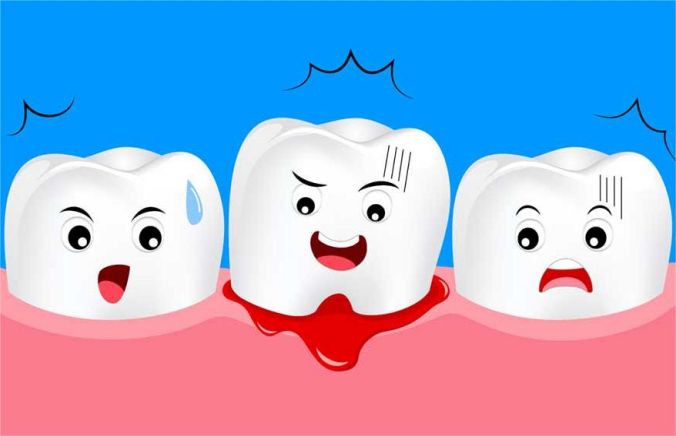
Let’s cut to the chase: Brushing your teeth harder does not make them cleaner. In fact, a study published in the Journal of Clinical Periodontology found that once you exceed 150 grams of pressure (that’s about the weight of a small apple) and 2 minutes of brushing, you’re not removing any extra plaque—you’re just damaging your teeth and gums. Plaque is a soft biofilm, so it only takes gentle pressure to sweep it away. When you brush too hard, you’re not targeting the plaque—you’re scraping away the protective layers of your teeth and irritating your gums. Let’s break down the damage, one issue at a time. First, there’s tooth enamel—the hard, outer layer of your teeth that protects against cavities. Enamel is the hardest substance in your body, but it’s not indestructible. Over time, aggressive brushing wears it down, making your teeth more sensitive to hot, cold, sweet, and sour foods. You might start cringing when you sip iced coffee or eat a candy bar—and that’s a sign your enamel is thinning. Then there’s dental abrasion, which is when the tooth surface gets worn away, leaving shiny, yellowish spots near the gumline or even wedge-shaped notches (called “abfraction lesions”) along the gum line. These notches are permanent and can lead to even more sensitivity or cavities if left untreated. And let’s not forget your gums. Hard brushing irritates the delicate gum tissue, causing them to bleed, recede, or become inflamed. Receding gums are especially problematic because they expose the sensitive roots of your teeth, which are more prone to decay and sensitivity. The worst part? Most of this damage happens slowly, over years. You won’t notice it today or tomorrow, but after 5 or 10 years of aggressive brushing, you’ll start to see the effects—and by then, it’s often irreversible. So that extra scrub you’re doing? It’s not making your teeth cleaner—it’s setting you up for dental problems down the line.
Advertisement
Advertisement
Tips For Getting Free Dental Work
1. Be prepared to provide documentation of your income and place of residence.
Many free dental clinics require patients to provide proof of income and residence in order to qualify for services.
2. Call ahead to schedule an appointment.
Most free dental clinics require patients to make an appointment in advance.