Tooth KnowLedge
Does brushing your teeth harder make them cleaner?
16mins Read
Last Updated :Advertisement
The “squeaky clean” myth: What that feeling actually means
We all chase that “squeaky clean” feeling after brushing—like your teeth are so smooth, you can run your tongue over them and hear a little squeak. But here’s a secret: that feeling has nothing to do with how clean your teeth are. It’s actually a sign that you’re brushing too hard. When you scrub your teeth aggressively, you’re removing the thin, protective layer of saliva that coats your teeth. Saliva is your mouth’s natural defense—it helps fight bacteria, neutralize acid, and keep your teeth smooth. When you brush too hard, you wipe away that saliva, leaving your teeth dry and “squeaky.” It feels like you’ve cleaned them really well, but you’ve actually just stripped away a crucial part of your mouth’s natural protection. Think of it like washing your hands with harsh soap—your hands feel “squeaky clean,” but they’re actually dry and irritated because you’ve removed the natural oils that keep them moisturized. Your teeth are the same way. The goal of brushing isn’t to get that squeaky feeling—it’s to remove plaque without damaging your enamel or gums. A clean mouth should feel fresh and comfortable, not dry or sensitive. And here’s the kicker: when you brush gently, you’ll still remove all the plaque, but you’ll keep that protective saliva layer intact. You might not get that fake “squeaky” feeling, but your teeth will be healthier in the long run. I’ve had so many patients come in and say, “But my teeth don’t feel clean unless I scrub hard!” And I get it—old habits die hard. But once they switch to gentle brushing, they start to notice that their gums stop bleeding, their sensitivity goes away, and their teeth still feel fresh. It just takes a little time to unlearn that “harder = better” mindset.
How to tell if you’re brushing too hard
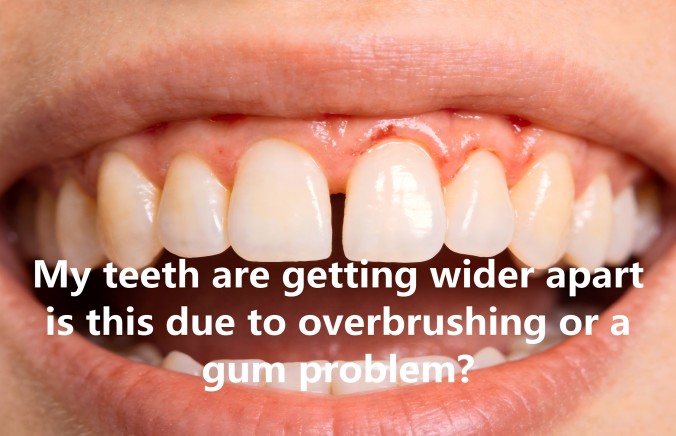
Most of us brush too hard without even realizing it. We’re in a hurry, we’re half-asleep, or we’re just going through the motions—and before we know it, we’re scrubbing away like we’re trying to remove a stubborn stain. But there are clear signs that you’re brushing too hard, and once you know what to look for, you can fix it. Let’s start with the obvious one: bleeding gums. If your gums bleed every time you brush (and you’re not using a brand-new toothbrush), that’s a red flag. Healthy gums don’t bleed—bleeding is a sign of irritation or inflammation, usually from aggressive brushing. Another sign is tooth sensitivity. If you feel a sharp pain when you drink something cold, eat something sweet, or even breathe in cold air, that’s likely from worn enamel caused by hard brushing. You might also notice that your teeth look “longer” than they used to—that’s gum recession, which happens when hard brushing pulls the gum tissue away from the teeth, exposing the roots. Then there’s your toothbrush itself. Take a look at the bristles—if they’re bent, frayed, or splayed out after just a few weeks, you’re brushing too hard. A good toothbrush should last 3–4 months before the bristles start to wear out; if yours is falling apart sooner, that’s a sign you’re applying too much pressure. And let’s not forget the way you hold your toothbrush. If you’re gripping it like you’re trying to break it (fist tight), you’re almost definitely brushing too hard. The correct way to hold a toothbrush is with a light grip—like you’re holding a pen or a feather. This keeps your hand relaxed and prevents you from applying too much pressure. If you’re not sure if you’re brushing too hard, try this trick: hold a piece of tissue between your finger and thumb, and brush your teeth while pressing down on the tissue. If the tissue tears, you’re brushing too hard. If it stays intact, you’re doing it right. It’s a simple test, but it works.
Advertisement
Advertisement
Tips For Getting Free Dental Work
1. Be prepared to provide documentation of your income and place of residence.
Many free dental clinics require patients to provide proof of income and residence in order to qualify for services.
2. Call ahead to schedule an appointment.
Most free dental clinics require patients to make an appointment in advance.