Tooth KnowLedge
The troubles of wisdom teeth: Should they be removed? How to choose?
8 mins Read
Last Updated :Advertisement
Growth of wisdom teeth
As the "rising star" in the human mouth, wisdom teeth often bring us a lot of trouble. The growth process of wisdom teeth can be said to be ever-changing. Some wisdom teeth can erupt smoothly and in a normal position, coexisting harmoniously with other teeth; while some wisdom teeth may have various problems, such as incomplete eruption, some wisdom teeth can only show a little tip, and most of them are still buried deep under the gums. Some wisdom teeth will grow obliquely, tilted toward the adjacent teeth, or even grow horizontally, forming an angle with the adjacent teeth, and even worse, they will grow upside down, completely contrary to the normal growth direction. These abnormally grown wisdom teeth will occupy the space of other teeth, causing crowded and uneven teeth, and may also cause symptoms such as pain, swelling, and infection, seriously affecting our quality of life.
Indications for removing wisdom teeth
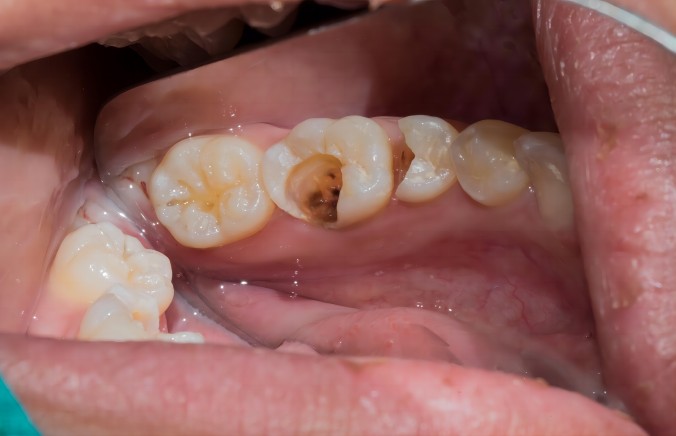
When wisdom teeth have the following conditions, extraction is usually considered: First, repeated inflammation and pain. The gums around the wisdom teeth are often inflamed, swollen, and painful, which makes people miserable. In severe cases, it may even affect normal diet and sleep. The second is impacted wisdom teeth. Wisdom teeth cannot erupt normally and are blocked by gums or adjacent teeth, forming "impacted teeth", which not only affects the health of other teeth, but also may cause oral diseases. The third is squeezing adjacent teeth. The growth of wisdom teeth leads to problems such as displacement of adjacent teeth and root absorption, which puts great pressure on adjacent teeth. There are also cases where there are no opposing teeth. Wisdom teeth do not have corresponding occlusal teeth, resulting in disordered occlusion. Finally, it causes other oral diseases, such as caries and pulpitis, which will further damage oral health.
Precautions before removing wisdom teeth
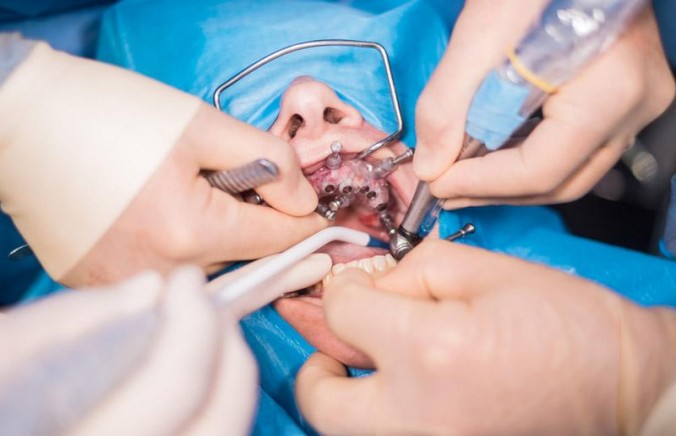
Before removing wisdom teeth, a comprehensive oral examination and evaluation is required. The doctor will carefully observe the growth, position and relationship of wisdom teeth with surrounding tissues, and will also ask the patient about health status, medication use, etc. Patients should tell the doctor their situation truthfully so that the doctor can make an accurate judgment. Before tooth extraction, maintain good oral hygiene and avoid tooth extraction during the inflammation period. In addition, you need to be mentally prepared, because tooth extraction is an invasive operation after all, which may cause some discomfort.
Precautions after wisdom tooth removal
After wisdom teeth are removed, there will be a period of recovery. Pain, swelling, bleeding and other discomfort symptoms may occur after surgery, which usually gradually ease within a few days to weeks. During the recovery period, pay attention to oral hygiene, brush your teeth and rinse your mouth on time, but avoid touching the wound. At the same time, take painkillers and anti-inflammatory drugs as prescribed by the doctor to relieve pain and prevent infection. In terms of diet, after surgery, you should gradually transition from liquid food and semi-liquid food to normal diet, and avoid eating spicy and hard food to avoid irritating the wound. In addition, pay attention to rest and activities, take proper rest, avoid strenuous exercise and excessive fatigue, and give the body enough time to recover.
When facing the choice of whether to remove wisdom teeth, you should follow the doctor's advice according to the specific situation to ensure oral health and quality of life. At the same time, we must also realize that oral health is an important part of overall health. Maintaining good oral hygiene habits and regular oral examinations are important measures to maintain physical health. Let us care for our teeth together and work hard for a healthy life!
Advertisement
Advertisement
Tips For Getting Free Dental Work
1. Be prepared to provide documentation of your income and place of residence.
Many free dental clinics require patients to provide proof of income and residence in order to qualify for services.
2. Call ahead to schedule an appointment.
Most free dental clinics require patients to make an appointment in advance.