Oral health
Take Good Care of Your Teeth During Pregnancy: Simple Tips for Expectant Mothers to Maintain Oral Health
15mins Read
Last Updated :Advertisement
I. Why Is Dental Health Even More Important During
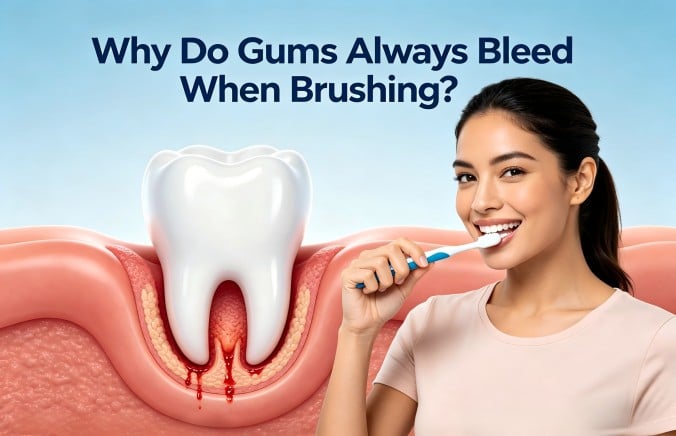
After becoming pregnant, many expectant mothers focus their attention on nutrition, prenatal checkups, and rest, but there’s one aspect that’s often overlooked: dental health. You might think, “ 'I don’t usually have any dental problems, so it should be fine during pregnancy, right?'“ But the reality is that hormonal changes during pregnancy are significant, and these changes directly affect your gums and oral environment. For example, some expectant mothers may notice that their gums bleed more easily when brushing, or even become swollen and painful—these are actually typical symptoms of ”pregnancy gingivitis." Additionally, frequent morning sickness can keep your mouth in a persistently acidic environment, further increasing the risk of cavities. Therefore, pregnancy is not a time to “slack off” on dental care; on the contrary, it requires even more attention. By mastering a few simple methods, you can easily maintain good oral health throughout your pregnancy, which will also make your entire pregnancy more comfortable.
II. Upgrading Your Brushing Technique: Gentle Yet
First and foremost, the most basic yet crucial step is to upgrade your brushing technique. Many people assume that brushing twice a day is sufficient, but during pregnancy, a more meticulous approach may be necessary. We recommend using a soft-bristled toothbrush to reduce irritation to the gums, and brushing with gentle motions—paying special attention to the gumline. Try the Bass brushing technique to remove plaque more effectively. If you experience severe morning sickness, rinse your mouth with plain water or a mild saltwater solution after vomiting, and wait until the acidity in your mouth has balanced out before brushing to avoid damaging your enamel. Additionally, choosing a fluoride toothpaste is a good idea, as it helps strengthen your teeth’s resistance to cavities. Don’t underestimate these details—they are the first line of defense for your oral health, and sticking with them will yield noticeable results.
III. Adjusting Dietary Habits: Less Sugar, More Nu
Secondly, dietary habits during pregnancy have a significant impact on your teeth. Many expectant mothers develop a strong craving for sweets or snack frequently during pregnancy, which is actually a “high-risk behavior” for tooth decay. This is because every time you eat, bacteria in the mouth break down sugars to produce acidic substances, and over time, this can easily erode your teeth. It is recommended to minimize your intake of high-sugar snacks, such as candy, cake, and sugary drinks. If you really want to eat them, try to have them during mealtimes rather than snacking constantly throughout the day. At the same time, eat more foods rich in calcium and vitamins, such as milk, cheese, and leafy green vegetables. These are not only beneficial for the baby’s development but also help strengthen tooth structure. Additionally, drinking plenty of water is important, as it helps flush away food particles in the mouth, making it harder for bacteria to thrive.
IV. Dental Checkups During Pregnancy: Safety Check
Now, let’s address a point that many people overlook: regular dental checkups. Many expectant mothers worry that visiting the dentist might affect their baby, but in fact, most routine dental examinations are safe during pregnancy, and the second trimester (approximately 4 to 6 months) is a particularly suitable time. If you didn’t have a comprehensive dental exam before becoming pregnant, it’s recommended to schedule a simple checkup and teeth cleaning during your pregnancy. Your dentist can help identify potential issues, such as early cavities or gingivitis, and address them promptly to prevent them from developing into more serious conditions later on. Of course, if X-rays or complex treatments are required, be sure to inform your dentist of your pregnancy in advance so they can assess whether treatment should be postponed. Overall, don’t avoid dental visits entirely out of fear—this could actually pose greater risks.
Advertisement
Advertisement
Tips For Getting Free Dental Work
1. Be prepared to provide documentation of your income and place of residence.
Many free dental clinics require patients to provide proof of income and residence in order to qualify for services.
2. Call ahead to schedule an appointment.
Most free dental clinics require patients to make an appointment in advance.