Dental Implant
Choice of dental implants and full mouth restorations
12 mins Read
Last Updated :Advertisement
Feasibility assessment of full mouth implants
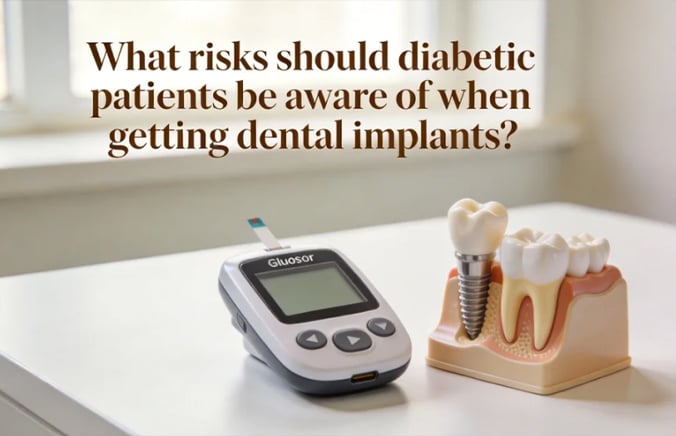
Full-mouth implants are a dental restoration method designed to replace all missing teeth in the mouth, restoring full chewing function and a beautiful smile. However, a thorough feasibility assessment is required as to whether to proceed with full-mouth implantation. Oral health is an important factor in evaluating the feasibility of full-mouth implants. Oral diseases such as periodontal disease and tooth decay may affect the success rate of dental implants, so a thorough oral examination and treatment is required. The patient's general health also needs to be considered. Some systemic diseases, such as diabetes and cardiovascular disease, may affect the healing process of dental implants and increase surgical risks. Therefore, it is necessary to evaluate the patient's systemic health status before performing full-mouth implants. The patient's oral anatomy also needs to be considered. Some patients may have problems such as alveolar bone loss or abnormal anatomy, which may affect the stability and aesthetics of dental implants. Patients need to understand the surgical risks, costs, and postoperative care and maintenance of full-mouth implants, and make decisions based on their own circumstances.
Surgical techniques and procedures for full-mouth
Full-mouth implant surgery is a complex dental repair surgery. Its success is closely related to surgical techniques and steps. A comprehensive oral examination and imaging examination are required before surgery to evaluate the condition of oral bone and alveolar bone. Determine the location and number of dental implants. Next, before the operation begins, the patient will receive local anesthesia or general anesthesia to ensure the comfort and safety of the operation. The dentist will disinfect the oral cavity and drill holes in the alveolar bone according to the pre-designed implant plan to prepare for the implant placement. Get ready.
After drilling a hole in the alveolar bone, the dentist will place the implant into the drill hole and then sew the gums together so that the implant is firmly attached to the surrounding tissue. Implants are generally made of titanium alloy or ceramics and have good biocompatibility and stability. After surgery, patients need to follow the dentist’s care instructions and go to the hospital for regular follow-up visits and examinations to ensure the healing and stability of the dental implants. During the healing process, your dentist may install a temporary restoration to protect the implant and maintain oral function and aesthetics. Finally, after the implants have healed, the dentist will take impressions and make dentures. Based on the patient's oral condition and aesthetic needs, a suitable restoration will be customized to complete the restoration process of full-mouth implants.
Adaptation and adjustment after full-mouth implant
After full-mouth implant restoration, adaptation and adjustment is an important process that requires time and patience. The patient may feel a foreign body sensation and discomfort in the oral cavity, which is a normal reaction. Patients need to gradually adapt to the presence of dental implants and reduce discomfort through oral muscle adjustments.
During the adaptation process, patients also need to pay attention to maintaining oral hygiene. Regular brushing, flossing, and mouthwash can help reduce the amount of bacteria in your mouth and prevent infections and other complications. After dental implant restoration, you may experience bite discomfort. This may be due to the placement or height of the dental implant not being precise enough and will need to be adjusted appropriately. The dentist can improve the comfort of your bite by fine-tuning the position of the implant or creating a temporary restoration. The patient's oral muscles and bite function will gradually adapt to dental implant restoration, and discomfort and bite problems will gradually decrease. Patients need to wait patiently, pay close attention to changes in the oral cavity, and return to regular check-ups to ensure the stability and comfort of dental implant restorations.
Advertisement
Advertisement
Tips For Getting Free Dental Work
1. Be prepared to provide documentation of your income and place of residence.
Many free dental clinics require patients to provide proof of income and residence in order to qualify for services.
2. Call ahead to schedule an appointment.
Most free dental clinics require patients to make an appointment in advance.