Tooth KnowLedge
How Salt Keeps Dental Problems Away
14 mins Read
Last Updated :Advertisement
1. The Historical Use of Salt in Oral Health Aroun
Salt has been a universal home remedy for oral care since ancient times. Its availability, low cost, and stability made it a staple in healthcare systems worldwide.
In ancient Egypt, Greece, and Rome, salt was mixed with ash, honey, or vinegar to create early forms of tooth-cleaning paste. Hippocrates, the father of Western medicine, recommended warm saltwater rinses for gum inflammation and sore mouth. Traditional Indian, Chinese, and Middle Eastern medical systems also used salt to reduce swelling, disinfect wounds, and balance oral health.
In many rural regions of Africa, Asia, and Latin America, saltwater rinsing remains a primary method of maintaining oral hygiene. Even today, in communities without easy access to dentists, salt continues to protect people from preventable dental diseases. This long history reflects salt’s reliable, time-tested role in oral care.
2. The Science Behind How Salt Protects Dental Hea
Salt supports oral health through several biologically proven mechanisms. Understanding these effects helps explain why salt genuinely keeps dental problems away.
2.1 Antibacterial and Antimicrobial Action
Salt creates a hypertonic environment that draws water out of bacterial cells through osmosis. This process inhibits the growth of harmful bacteria in the mouth, including those that cause plaque, cavities, and bad breath. By reducing bacterial load, salt lowers the risk of tooth decay and early gum disease.
2.2 Anti-Inflammatory Effects
Saltwater reduces redness, swelling, and irritation in gum tissue. It helps calm gingivitis, soothes gums irritated by brushing or braces, and relieves discomfort from mild infections. This anti-inflammatory action supports gum health and prevents minor issues from worsening.
2.3 Promotes Wound Healing
Salt supports tissue repair and helps prevent infection in minor mouth wounds, canker sores, or after simple dental procedures. Dentists often recommend saltwater rinses after tooth extraction to speed healing and lower the risk of dry socket or infection.
2.4 Balances Oral pH
Acidity in the mouth erodes tooth enamel and encourages bacterial growth. Salt helps neutralize excess acid, creating a more favorable environment for teeth and gums. A balanced pH reduces enamel demineralization and lowers cavity risk.
2.5 Loosens Soft Plaque
While salt cannot remove hardened tartar, it helps soften and dislodge soft plaque when used as a rinse. This makes daily brushing more effective and prevents plaque from mineralizing into tartar.
3. How Salt Prevents Common Dental Problems
Salt addresses many widespread oral health issues when used consistently as part of oral care.
3.1 Reduces Plaque and Gingivitis
Plaque buildup leads to gingivitis — red, swollen, bleeding gums. Salt’s antibacterial action lowers plaque formation, and its anti-inflammatory effect calms early gum inflammation. Regular rinsing helps prevent gingivitis from developing into severe periodontal disease.
3.2 Fights Bad Breath (Halitosis)
Bad breath is often caused by bacteria on the tongue, gums, and between teeth. Salt reduces these odor-causing microbes, cleans the mouth gently, and improves freshness naturally.
3.3 Lowers Risk of Tooth Decay
By reducing acid-producing bacteria and balancing oral pH, salt helps protect enamel from erosion. While salt does not strengthen teeth like fluoride, it supports the defense mechanisms that prevent cavities.
3.4 Relieves Canker Sores and Mouth Ulcers
Saltwater is one of the safest, most effective home treatments for painful canker sores. It reduces pain, speeds healing, and prevents secondary infection in the affected area.
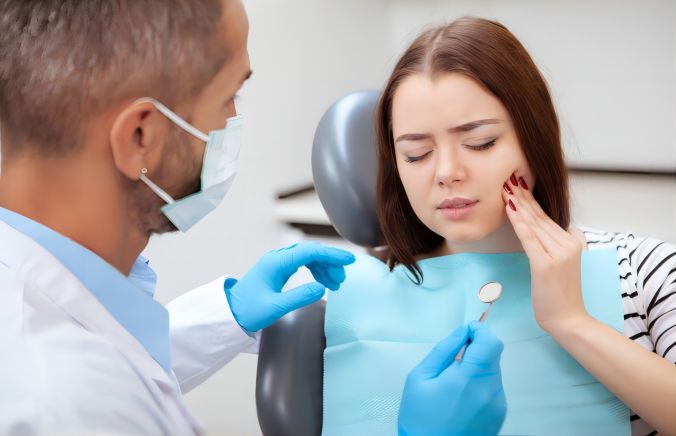
3.5 Eases Toothache Discomfort
Salt cannot cure deep cavities or infections, but it temporarily reduces pressure and inflammation around a painful tooth, providing mild relief until professional dental care is available.
3.6 Supports Post-Treatment Recovery
After cleanings, fillings, or extractions, saltwater rinses promote faster recovery, reduce infection risk, and soothe sensitive tissue without harsh chemicals.
Advertisement
Advertisement
Tips For Getting Free Dental Work
1. Be prepared to provide documentation of your income and place of residence.
Many free dental clinics require patients to provide proof of income and residence in order to qualify for services.
2. Call ahead to schedule an appointment.
Most free dental clinics require patients to make an appointment in advance.