Oral health
Bleeding gums while brushing? Those little warning signs you might be ignoring
15mins Read
Last Updated :Advertisement
Don't ignore bleeding gums while brushing: th
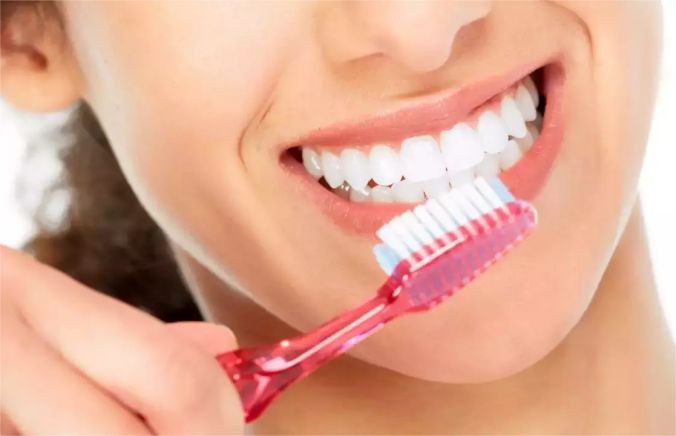
Many people have experienced this: when brushing their teeth in the morning, the foam they spit out is a little red, or they find blood streaks when flossing. Their first reaction is often—"Did I brush too hard?"—and then they don't think much of it.
But actually, bleeding gums can be a minor issue, but it's not insignificant either. Sometimes it's just a slight reminder, but it could also be a subtle way of telling you that there are already problems in your oral health. Is bleeding gums a minor problem, or a hidden danger that needs attention?
I. Occasional bleeding isn't necessarily seri
Let's start with a slightly reassuring scenario: if you only bleed occasionally while brushing, and it's very slight, then it's indeed not necessarily a big problem.
For example, sometimes if you use a harder toothbrush, or brush too hard, your gums are irritated and may bleed a little. This is usually temporary, and it will quickly subside as long as you adjust your brushing technique.
But the key is "occasional." If this becomes a frequent occurrence, such as bleeding gums every time you brush your teeth, it can no longer be simply attributed to "brushing too hard."
In other words, occasional bleeding can be observed, but frequent bleeding warrants serious attention.
II. The most common cause is actually plaque build
The most common cause of bleeding gums is simply inadequate plaque removal.
Every day when we eat, food debris remains in our mouths. Bacteria utilize this debris, gradually forming a sticky layer—plaque. If not cleaned promptly, it irritates the gums, causing inflammation.
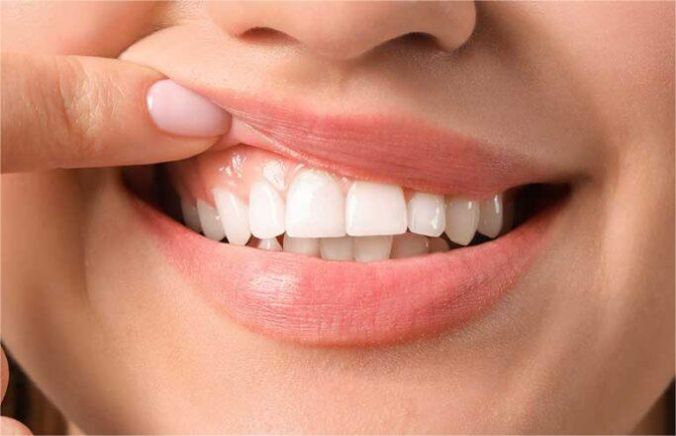
Once the gums are inflamed, they become more sensitive and bleed easily with even the slightest touch, such as brushing, flossing, or even biting hard foods.
Therefore, many people mistakenly believe that "brushing causes bleeding," but the opposite is true; it's often due to inadequate brushing that causes bleeding.
III. From gingivitis to more serious problems, it&
Bleeding gums are often a symptom of gingivitis. At this stage, with timely treatment, the bleeding can be reversed.
However, if left untreated, the problem can escalate. Plaque will continue to build up, eventually turning into tartar, which is difficult to remove with brushing alone.
Further development can lead to more serious periodontal problems, such as receding gums and loose teeth. At this stage, treatment becomes more complex, and the impact on daily life is greater.
Therefore, from this perspective, bleeding gums are actually an "early warning sign." It's reminding you that it's not too late to address the issue.
IV. Certain lifestyle habits can also make gums mo
Besides inadequate cleaning, some daily habits can also affect gum health.
For example, frequently staying up late, high stress levels, and a weakened overall immune system can make gums more susceptible to inflammation. An unbalanced diet, lacking certain nutrients, can also weaken gums.
Some people like to use toothpicks or brush their teeth roughly, which repeatedly irritates the gums.
These factors may not seem significant individually, but combined, they can make gums more prone to problems.
Advertisement
Advertisement
Tips For Getting Free Dental Work
1. Be prepared to provide documentation of your income and place of residence.
Many free dental clinics require patients to provide proof of income and residence in order to qualify for services.
2. Call ahead to schedule an appointment.
Most free dental clinics require patients to make an appointment in advance.