Tooth KnowLedge
If you brush your teeth correctly, you can ask yourself from these 4 aspects.
10 mins Read
Last Updated :Advertisement
Have you brushed your teeth for 3 minutes?
Did you know that the time for brushing your teeth should not be too short? If it is too short, the teeth will not be brushed clean enough. The American Dental Association recommends brushing your teeth twice a day for at least two minutes each time to effectively remove plaque and bacteria from your mouth. Extending your brushing time to three minutes provides a more thorough cleaning that reaches every nook and cranny of your teeth and gums.
Brushing for three minutes gives you enough time to thoroughly clean all surfaces of your teeth, including those hard-to-reach areas between teeth and along the gum line. By taking an extra minute to brush your teeth, you can significantly reduce your risk of plaque buildup, cavities, and gum disease.
You can use a timer or play a three-minute song to help you keep track of time. Many electric toothbrushes also come with built-in timers that will alert you when the recommended brushing time has been reached. Spending three minutes brushing your teeth twice a day is a small time investment that can yield significant benefits for your oral health. Of course, you should not brush your teeth for too long, otherwise it will easily damage tooth enamel and be detrimental to dental health.
Are you using the correct Pasteur brushing method?
How do you brush your teeth? Do you think your teeth are really clean? You should know that brushing your teeth also requires skills. The Pasteurized brushing method can effectively remove plaque and bacteria from the teeth and gums. The Pap brushing technique involves gently moving the toothbrush in small circular motions, focusing on one or two teeth at a time. This method helps remove plaque and debris from the surface of the teeth and along the gum line, promoting a thorough cleaning.
To use the Pap brushing technique correctly, hold the toothbrush bristles at a 45-degree angle to the gum line and apply gentle pressure while making small circular motions. Be sure to brush all surfaces of your teeth, including front, back and chewing surfaces. Pay special attention to areas where plaque tends to accumulate, such as the molars and the back of the mouth.
Avoid brushing too hard or using sawing motions, as this can damage your gums and enamel. Instead, use gentle circular motions to effectively clean teeth and gums without causing irritation.
Do you brush your tongue when brushing your teeth?
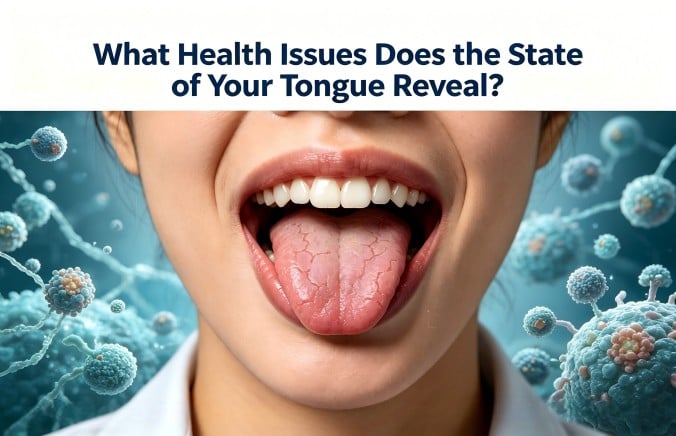
Do you remember to brush your tongue when you brush your teeth? Many people make sure to brush their teeth regularly but often forget to clean their tongue. But here’s the thing: Your tongue can be harboring bacteria, food particles, and dead cells that, if left unchecked, can lead to some pretty nasty problems like bad breath, cavities, and gum problems. So, don't skip it! Giving your tongue a good scrubbing while brushing can really reduce the growth of bacteria and do wonders for your oral health.
To fully clean your tongue, use a soft-bristled toothbrush to gently brush the entire surface, even the back and sides. Another option is to use a tongue scraper—a nifty tool designed specifically to remove bacteria and gunk from your tongue. It might feel a little weird at first, but trust me, it's worth it. Hey, in addition to keeping your mouth healthy, brushing your tongue can actually strengthen your taste buds by removing any buildup that dulls them. So why not add it to your oral care routine for a fresher mouth and a better dining experience?
Advertisement
Advertisement
Tips For Getting Free Dental Work
1. Be prepared to provide documentation of your income and place of residence.
Many free dental clinics require patients to provide proof of income and residence in order to qualify for services.
2. Call ahead to schedule an appointment.
Most free dental clinics require patients to make an appointment in advance.