Tooth KnowLedge
How to Remove Dental Plaque at Home
14 mins Read
Last Updated :Advertisement
1. Understanding Dental Plaque: Why At-Home Remova
Dental plaque is a soft, sticky, colorless film of bacteria that constantly forms on teeth, gums, and the tongue. If left undisturbed, it hardens into tartar (calculus), which cannot be removed by home care alone and leads to cavities, gingivitis, periodontal disease, bad breath, and tooth discoloration. For billions of people worldwide, regular professional dental cleaning is unavailable, unaffordable, or inaccessible due to geography, income, or lifestyle. This makes safe, effective at-home plaque removal one of the most important skills for lifelong oral health.
Before learning removal methods, it is essential to understand what plaque is, how it forms, and why daily removal is critical.
1.1 What Is Dental Plaque?
Dental plaque is a biofilm composed of millions of bacteria, food debris, saliva, and dead cells. It forms within 24 hours after brushing and thrives on sugars and starches from food and drinks. As bacteria metabolize sugar, they produce acid that erodes tooth enamel, causing cavities. Plaque also irritates gum tissue, leading to redness, swelling, bleeding, and early gum disease (gingivitis).
1.2 From Plaque to Tartar: A Preventable Progression
If plaque remains on teeth for 48 to 72 hours, it mineralizes into hard, yellowish or brownish tartar. Tartar adheres tightly to enamel and gum lines, and no home tool or remedy can remove it. Only a dentist or dental hygienist can safely eliminate tartar through scaling. Tartar traps more bacteria, worsening inflammation and leading to advanced gum disease, tooth sensitivity, and eventual tooth loss.
1.3 Global Burden of Plaque-Related Diseases
According to the World Health Organization (WHO), untreated tooth decay and severe gum disease affect billions globally, with most cases caused by poor plaque control. At-home plaque removal is a low-cost, high-impact public health strategy that reduces the global burden of preventable oral diseases, especially in low- and middle-income countries with limited dental services.
2. The Gold Standard: Proper Tooth Brushing Techni
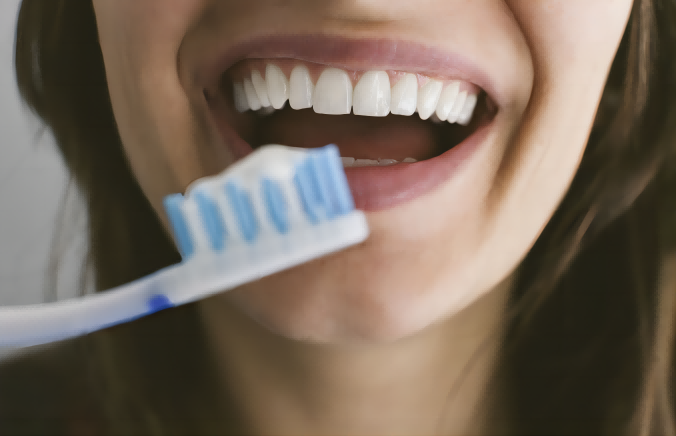
Brushing teeth is the foundation of at-home plaque control, but incorrect brushing leaves plaque behind, even with daily use. Proper technique is far more important than pressure or speed.
2.1 Choosing the Right Toothbrush
Soft-bristled toothbrushes are recommended worldwide. Medium or hard bristles damage enamel and gums, causing recession and sensitivity.
Manual toothbrushes work effectively when used correctly and are affordable for all populations.
Electric toothbrushes (rotating, oscillating, or sonic) remove 30% more plaque than manual brushes, making them ideal for people with limited dexterity, braces, or gum disease.
Replace toothbrushes every 3 to 4 months, or sooner if bristles are frayed.
2.2 Fluoride Toothpaste: Non-Negotiable for Plaque and Decay Control
Fluoride toothpaste strengthens enamel, reverses early demineralization, and inhibits bacterial growth. For international readers:
Use a pea-sized amount for children under 6 and a full strip for adults.
Fluoride concentration between 1000–1500 ppm is effective and safe for daily use.
In regions without fluoridated water, fluoride toothpaste is the most important defense against cavities.
2.3 Step-by-Step Plaque-Removal Brushing Technique
Angle the brush: Hold the toothbrush at a 45-degree angle toward the gum line, where plaque accumulates most.
Small circular motions: Use gentle, tight circles to clean the outer, inner, and chewing surfaces of each tooth. Avoid aggressive scrubbing.
Clean all surfaces: Spend 10–15 seconds per tooth, including hard-to-reach back molars and inner front teeth.
Brush the tongue: Plaque and bacteria collect on the tongue, causing bad breath. Gently brush from back to front.
Duration: Brush for full two minutes twice daily (morning and night).
Do not rinse immediately: Spit out excess toothpaste but avoid rinsing with water to keep fluoride on teeth longer.
2.4 Common Brushing Mistakes That Leave Plaque
Brushing too quickly (less than one minute)
Applying excessive pressure
Ignoring the gum line and back teeth
Using worn-out bristles
Rinsing immediately after brushing
Advertisement
Advertisement
Tips For Getting Free Dental Work
1. Be prepared to provide documentation of your income and place of residence.
Many free dental clinics require patients to provide proof of income and residence in order to qualify for services.
2. Call ahead to schedule an appointment.
Most free dental clinics require patients to make an appointment in advance.