Tooth KnowLedge
Is a Vegetarian Diet Really Healthier? Exploring the Often-Overlooked Connection Between Vegetarianism and Dental Health
15mins Read
Last Updated :Advertisement
I. A Vegetarian Diet Is Healthy, But Your Teeth Ne
When people hear the terms “vegetarian” or “vegan,” their first thoughts are often “healthy,” “refreshing,” and “good for the body”—and they’re certainly right. Eating more fruits and vegetables and reducing fat intake are definitely beneficial for overall health. However, there’s a small detail that many people overlook—your teeth are actually affected by your diet, and not all of these effects are positive. For example, many vegetarians tend to eat more fruits, such as oranges, lemons, and tomatoes—foods that are on the acidic side. If consumed frequently without proper oral hygiene, this can gradually erode tooth enamel over time. Additionally, after switching to a vegetarian diet, some people actually eat more frequently—snacking on fruits or nuts throughout the day. This keeps the mouth in a constant “food-present” state, making bacteria more active and increasing the risk of cavities. So, while a vegetarian diet itself is fine, you shouldn’t assume it provides “automatic protection” for your teeth; you still need to pay a little extra attention.
II. Nutritional Deficiencies Can Cause Your Teeth
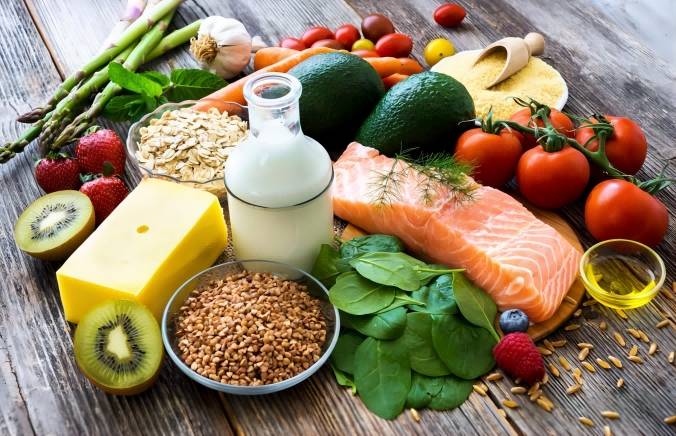
When it comes to vegetarianism, a key topic is nutritional balance. Since you’re not eating meat or animal-based foods, certain nutrients are indeed more prone to deficiency, such as vitamin B12, calcium, and iron. These nutrients not only affect your overall physical health but are also crucial for oral health. For example, insufficient calcium intake can weaken tooth structure, while a lack of vitamin B12 may cause mouth ulcers or tongue discomfort in some people. This is especially true for vegans. If you completely avoid animal-derived foods without compensating through fortified foods or supplements, you’re more likely to face these issues. But there’s no need to panic—with a little care, such as choosing fortified plant-based milks, tofu, and nuts, you can easily make up for these nutritional gaps. Simply put, going vegetarian is fine, but you need to “eat smart” to keep your teeth from suffering.
III. Increased Carbohydrate Intake: Watch Out for
Another common change is that after switching to a vegetarian diet, many people unconsciously end up eating more staple foods, such as rice, noodles, and bread. This sounds perfectly normal, but the problem is that these carbohydrates break down into sugars in the mouth—and sugar is the favorite “food” of oral bacteria. When bacteria feast on sugar, they produce acidic substances that gradually erode your teeth. If you also consume processed plant-based foods—such as plant-based meat substitutes, desserts, and energy bars—the sugar content may be even higher, though you might not usually notice it. Many people assume, “I’m eating a plant-based diet, so I must be pretty healthy,” but your teeth don’t see it that way. Therefore, it’s recommended to minimize refined carbohydrates and high-sugar foods, opt for natural ingredients, and remember to rinse your mouth or brush your teeth after eating to limit the opportunities for bacteria to “cause trouble.”
IV. Eating Too Soft? Your Teeth Can Also “Get Lazy
Here’s an interesting yet often overlooked point: the act of chewing. Many vegetarian foods are quite soft—think tofu, cooked vegetables, and the like. If your diet consists mainly of these over the long term, your teeth actually get used less frequently. However, moderate chewing is beneficial for your teeth and gums; it stimulates saliva production, and saliva itself helps clean the mouth and reduce bacteria. If you don’t chew enough, your mouth’s natural self-cleaning ability may weaken. So, try adding some foods that require chewing to your daily diet, such as carrots, apples, or nuts (provided you have no dental issues). This not only benefits your teeth but also adds a bit more texture and variety to your meals.
Advertisement
Advertisement
Tips For Getting Free Dental Work
1. Be prepared to provide documentation of your income and place of residence.
Many free dental clinics require patients to provide proof of income and residence in order to qualify for services.
2. Call ahead to schedule an appointment.
Most free dental clinics require patients to make an appointment in advance.