Dental Implant
Oral implants and bad breath problems
12 mins Read
Last Updated :Advertisement
The psychological impact of bad breath on dental i
The psychological impact of bad breath on dental implant surgery cannot be ignored. Bad breath may cause patients to have low self-esteem, anxiety and social fear, affecting their quality of life and mental health.
Bad breath may trigger feelings of inferiority in patients. If bad breath is a problem after dental implant surgery, patients may feel that their oral health has been affected, lowering their self-confidence. They may worry that bad breath will leave a bad impression on others, leading to increased self-denial and feelings of inferiority. Affect your quality of life and interpersonal relationships. They may develop negative anxieties about their oral hygiene, leading to nervousness and uneasiness during daily activities such as eating, speaking, and smiling. Bad breath may also lead to social phobia in patients. Patients may avoid social activities and reduce communication and interaction with others because of concerns about how others will react to bad breath.
The correlation between dental implants and bad br
There is a correlation between dental implants and bad breath, especially in the period following dental implant surgery. Bad breath can be caused by incomplete healing of surgical wounds or poor oral hygiene. During this process, bacteria may grow around the wound, causing odor to occur, which is bad breath. Therefore, timely oral cleaning and regular oral care are very important to reduce the occurrence of bad breath. After dental implant surgery, patients may experience oral discomfort, including dry mouth, itching, and other symptoms. These discomforts may lead to an increase in bacteria in the mouth, causing bad breath. After dental implant surgery, if the patient fails to clean the mouth properly or maintain good oral hygiene habits, food residue or bacteria in the mouth may accumulate around the dental implant, causing bad breath. Therefore, regular oral cleaning, brushing, flossing and mouthwash are essential to prevent bad breath. Timely consultation with a doctor and taking effective oral care measures can help reduce the symptoms of bad breath and improve oral health.
The preventive effect of oral hygiene on dental im
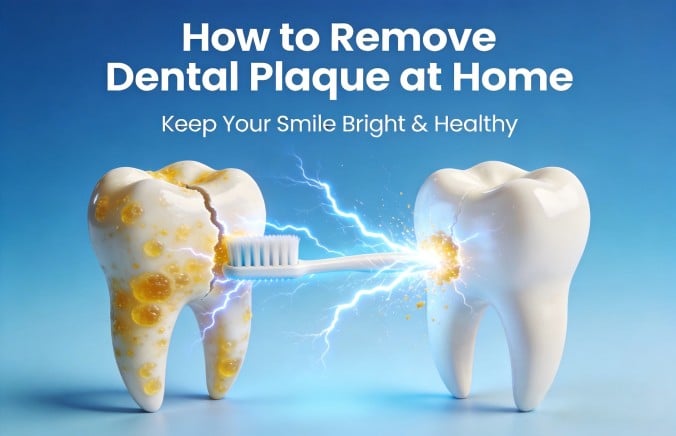
Oral hygiene plays a vital role in preventing dental implant bad breath. Good oral hygiene habits can effectively reduce the growth of bacteria in the mouth, prevent the occurrence of oral odor, and keep breath fresh. Brushing your teeth regularly is a basic step in maintaining oral hygiene. Patients should brush their teeth at least twice a day, especially in the morning and evening before going to bed. Correct brushing techniques and effective toothbrush selection can completely remove food debris and bacteria on the tooth surface and between the teeth, reducing the source of odor in the mouth. Flossing or interdental brushes are important additions to maintaining oral hygiene. These tools remove food particles and bacteria from hard-to-reach areas between teeth, preventing the development of tartar and gum disease, thereby reducing mouth odor. The use of oral mouthwash can also help prevent bad breath. Mouthwash can clean bacteria and residues in the oral cavity, while improving the microecological balance of the oral cavity and reducing the occurrence of oral odor. Regular oral examinations and cleanings are also important measures to prevent bad breath. To keep breath fresh and prevent the occurrence of bad oral odor.
Advertisement
Advertisement
Tips For Getting Free Dental Work
1. Be prepared to provide documentation of your income and place of residence.
Many free dental clinics require patients to provide proof of income and residence in order to qualify for services.
2. Call ahead to schedule an appointment.
Most free dental clinics require patients to make an appointment in advance.