Tooth KnowLedge
Do you have trouble grinding your teeth?
10 mins Read
Last Updated :Advertisement
What is bruxism
Bruxism, also known as teeth grinding or clenching, is a common oral health problem. It mainly manifests as involuntary grinding, clenching or clenching of teeth during sleep or wakefulness. Bruxism can occur during nighttime sleep, a condition called sleep bruxism, or it can occur while awake, which is called awake bruxism. Although occasional bruxism may not cause serious health consequences, long-term or severe bruxism can cause a range of dental problems, discomfort, and other related complications that can negatively impact quality of life.
Causes of Bruxism
Bruxism can be caused by a variety of factors, including psychological stress and anxiety, misaligned teeth, sleep disorders, and certain lifestyle habits. When individuals are experiencing high levels of stress or anxiety, they are more likely to engage in teeth grinding behaviors, as unconsciously clenching the jaw may be a way of coping with tension and stress. Additionally, if there are problems with the alignment of the teeth or jaw, such as malocclusion or TMJ disease, this can lead to irregular bite patterns or muscle tension that can trigger bruxism. Sleep disorders, such as sleep apnea or restless legs syndrome, may also increase the risk of sleep bruxism. At the same time, some lifestyle habits, such as excessive caffeine intake, alcohol consumption, or smoking, may also exacerbate the symptoms of bruxism.
Effects of Bruxism
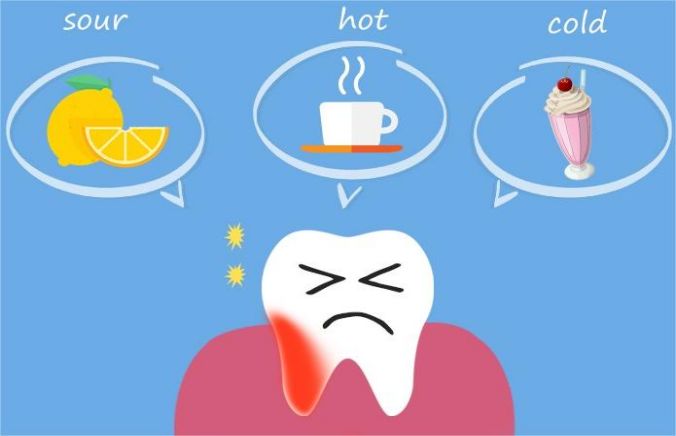
Bruxism can lead to a range of oral and overall health problems. Continuous grinding and clenching of teeth can cause excessive wear and erosion on the teeth, making them sensitive, increasing the risk of tooth decay, and may even lead to tooth fracture or loss. In addition, the continued pressure generated during teeth grinding can cause damage to the jaw joints and muscles, which may lead to temporomandibular disorder (TMD), causing jaw pain, stiffness, and difficulty chewing or speaking. Bruxism may also manifest as facial pain, headaches, earaches, and neck or shoulder tension. Untreated bruxism can also negatively impact sleep quality and overall quality of life, leading to chronic fatigue, irritability, and decreased productivity.
Bruxism Treatment
Treating bruxism requires a comprehensive consideration of symptoms and underlying causes. The goals of treatment are to relieve discomfort, prevent further tooth damage, and reduce the frequency and intensity of teeth grinding. Common treatments include using a mouthguard or splint to protect the teeth from excessive wear and provide cushioning for the jaw joint. In addition, stress-reduction techniques such as relaxation exercises, meditation, or seeking psychotherapy can also help relieve bruxism associated with anxiety or tension. If misaligned teeth or jaw problems are causing bruxism, orthodontic treatment or dental adjustments may be needed to correct the underlying problem. At the same time, changing bad lifestyle habits, such as reducing caffeine and alcohol intake, maintaining good sleep hygiene, and avoiding chewing hard objects, can also help relieve the symptoms of bruxism.
Advertisement
Advertisement
Tips For Getting Free Dental Work
1. Be prepared to provide documentation of your income and place of residence.
Many free dental clinics require patients to provide proof of income and residence in order to qualify for services.
2. Call ahead to schedule an appointment.
Most free dental clinics require patients to make an appointment in advance.