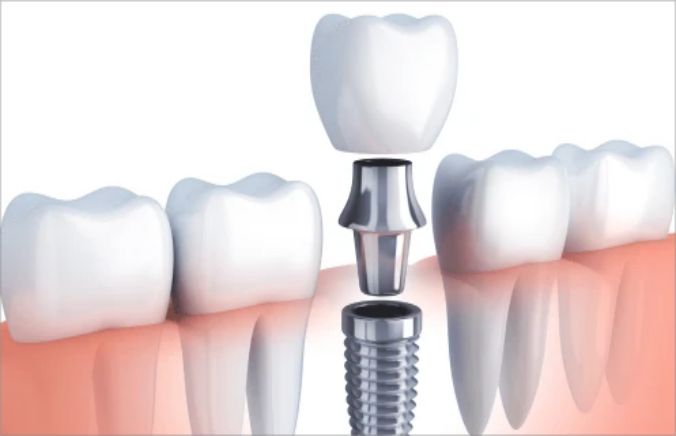
Dental Implant
What are the preoperative tests for dental implants?
10 mins Read
Last Updated :Advertisement
Assessment of general health status
Before dental implant surgery, a comprehensive assessment of the patient's overall health status is an important basis for ensuring the success of the operation. The doctor first needs to understand in detail whether the patient has chronic diseases, such as diabetes, hypertension, cardiovascular disease, or other systemic diseases that may affect the body's metabolism and immune function. For diabetic patients, the control of blood sugar levels is particularly critical. If blood sugar is too high, it may delay the healing of postoperative wounds and increase the risk of infection. Therefore, doctors usually ask patients to monitor their blood sugar before surgery and adjust it to a safe range to reduce the possibility of surgical complications.
Hypertensive patients need to adjust their blood pressure to a reasonable range before surgery. If blood pressure is too high, it will not only increase the risk of bleeding during surgery, but also may cause sudden cardiovascular events during surgery, such as angina or myocardial infarction. Therefore, doctors may recommend that patients receive medication adjustments before surgery to ensure that blood pressure is stable. In addition, patients with cardiovascular disease should pay special attention to whether they are taking anticoagulants, such as warfarin, aspirin, etc. These drugs will significantly increase the amount of bleeding during surgery and may even make it difficult to stop bleeding after surgery. To this end, doctors usually work with patients' cardiovascular specialists to adjust the use of anticoagulants according to the patient's condition, such as suspending medication before surgery or choosing alternative treatments to reduce the risk of bleeding.
In addition to the assessment of chronic diseases, doctors also need to understand the patient's medication history in detail and the potential impact of medications on surgery. For example, patients who use immunosuppressants for a long time (such as those after organ transplantation or certain autoimmune diseases) may face a higher risk of infection because immunosuppressants weaken the body's resistance to bacteria or viruses. Similarly, patients who use steroid hormones for a long time may also suffer from decreased bone quality due to the effects of medication, which is crucial to the success of dental implant surgery. Therefore, doctors need to communicate fully with patients before surgery to ensure that their physical condition is suitable for dental implant surgery, and adjust medication regimens or perform additional treatment interventions if necessary.
In addition, doctors may recommend that patients undergo some routine physical examinations before surgery, such as blood tests, electrocardiograms, chest X-rays, etc., to further understand the patient's overall health status. These examinations can help doctors identify potential health risks, such as anemia, abnormal coagulation function, or insufficient cardiopulmonary function, to ensure that the surgery is performed under safe conditions. For example, anemic patients may experience decreased physical strength or slower recovery after surgery due to insufficient blood supply during surgery, while abnormal coagulation function may lead to increased bleeding during surgery and increase the complexity of intraoperative operations. Through these examinations, doctors can have a more comprehensive understanding of the patient's health status and take targeted countermeasures during and after surgery.
Advertisement
Advertisement
Tips For Getting Free Dental Work
1. Be prepared to provide documentation of your income and place of residence.
Many free dental clinics require patients to provide proof of income and residence in order to qualify for services.
2. Call ahead to schedule an appointment.
Most free dental clinics require patients to make an appointment in advance.