Dental Implant
What are the preoperative tests for dental implants?
10 mins Read
Last Updated :Advertisement
Basic oral examination
Basic oral examination before dental implant surgery is an important part of ensuring the success of the surgery. The following is a detailed description of basic oral examination:
1. Assessment of oral hygiene
Check the patient's oral hygiene habits, understand their daily brushing, flossing, mouthwash, etc., and assess oral hygiene.
Observe the accumulation of plaque and tartar on the tooth surface, and whether there is gingival inflammation, periodontal disease, etc.
Assess the impact of oral hygiene on implant surgery, guide patients to improve oral hygiene, and provide a good healing environment for implants.
2. Examination of teeth and periodontal tissues
Check the missing teeth and determine the number and location of implants.
Observe the arrangement and occlusion of the remaining teeth, and assess whether there are problems such as malocclusion and tooth wear.
Check the health of periodontal tissues, including gum color, texture, bleeding, etc., as well as the depth of periodontal pockets, tooth mobility, etc.
3. Assessment of alveolar bone condition
Through oral X-rays, CT scans and other examinations, understand the height, width, density, etc. of the alveolar bone, and assess whether the alveolar bone meets the conditions for dental implants.
Check whether the alveolar bone has inflammation, cysts, tumors and other lesions, and perform pathological examination if necessary.
Evaluate the texture of the alveolar bone to provide a basis for selecting appropriate implants and surgical plans.
4. Mucosal condition examination
Observe the color, texture, and moisture of the oral mucosa to evaluate the health of the mucosa.
Check whether there are mucosal lesions such as ulcers, white spots, erythema, etc., and perform pathological examination if necessary.
Evaluate the impact of mucosal conditions on implant surgery to ensure the integrity of the mucosa during surgery.
5. Occlusal relationship examination
Check the occlusal relationship of the upper and lower teeth to evaluate whether there are problems such as malocclusion, deep overbite, and deep overbite.
Record and analyze the occlusal relationship through tools such as bite paper and wax embankment to provide a reference for the arrangement and adjustment of dental implants.
Evaluate the impact of the occlusal relationship on the restoration of dental implant function and formulate a suitable treatment plan.
6. Adjacent tooth condition examination
Check the health of the teeth near the missing teeth, including tooth structure, root condition, etc.
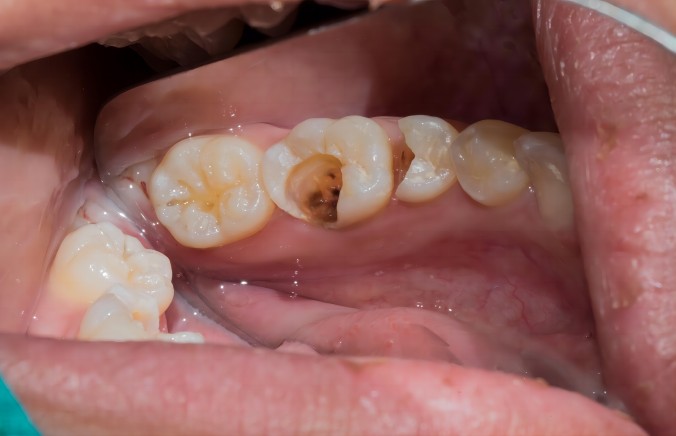
Evaluate whether the adjacent teeth have caries, periodontal disease and other problems, and treat them if necessary.
Ensure that the adjacent teeth are in good health and provide stable support for dental implants.
7. Oral function examination
Evaluate the patient's chewing, pronunciation, swallowing and other functions, and understand the impact of tooth loss on daily life.
Evaluate the oral function status by observing the patient's facial muscles, joints and other activities.
Provide reference for the functional restoration of dental implants and formulate appropriate treatment plans.
8. Oral aesthetics evaluation
Analyze the patient's facial contours, smile arc, etc., and evaluate the impact of missing teeth on beauty.
Understand the patient's requirements for the beauty of dental implants and provide reference for the arrangement and color of dental implants.
Ensure that dental implants take into account aesthetic needs while restoring function.
Advertisement
Advertisement
Tips For Getting Free Dental Work
1. Be prepared to provide documentation of your income and place of residence.
Many free dental clinics require patients to provide proof of income and residence in order to qualify for services.
2. Call ahead to schedule an appointment.
Most free dental clinics require patients to make an appointment in advance.