Dental Implant
What are the preoperative tests for dental implants?
10 mins Read
Last Updated :Advertisement
Oral hygiene habits assessment
Dental implant surgery is a means of oral restoration. It is crucial to evaluate the patient's oral hygiene habits before surgery. Good oral hygiene habits can help improve the success rate of dental implants and reduce postoperative complications.
1. Contents of oral hygiene habit assessment
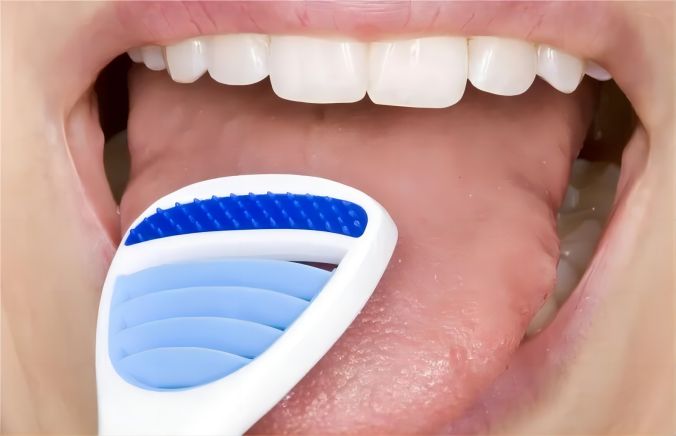
Toothbrushing habits: Understand the frequency, time, method, and type of toothbrush and toothpaste used by patients. The correct brushing method can effectively remove dental plaque and reduce oral inflammation and infection.
Mouthwashing habits: Assess whether the patient uses mouthwash, the frequency and type of use. Mouthwash can help clean the mouth and reduce bacterial growth.
Habits of using auxiliary cleaning tools such as dental floss and toothpicks: Understand whether the patient uses dental floss, toothpicks and other tools to clean the gaps between teeth, the frequency and method of use.
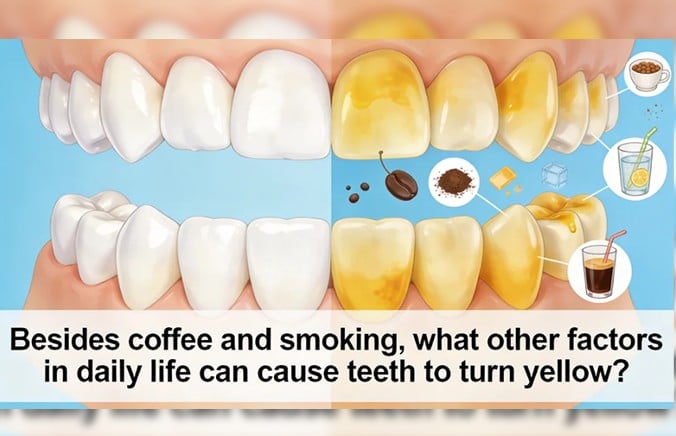
Eating habits: Assess the patient's eating habits, such as whether he likes sweets, spicy foods, hard foods, etc. Bad eating habits may cause oral problems and affect the stability of dental implants.
Bad habits such as smoking and drinking: Understand whether the patient has bad habits such as smoking and drinking. These habits will affect oral blood circulation and increase the risk of dental implant surgery.
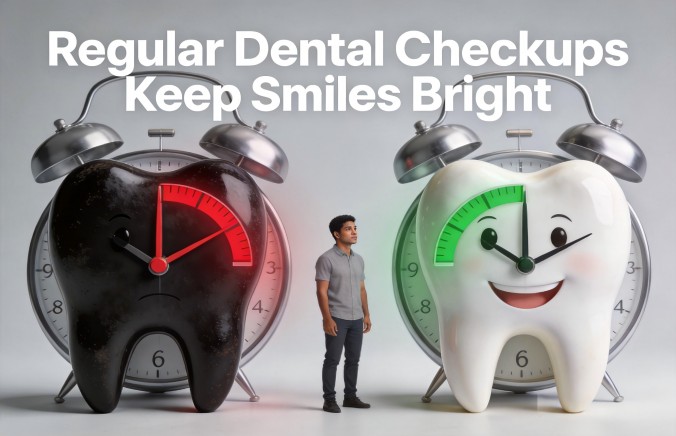
Regular oral examination and teeth cleaning: Assess whether the patient has regular oral examination and teeth cleaning. Regular examination helps to detect oral problems early, and teeth cleaning can remove tartar and keep the mouth clean.
2. Evaluation method
Face-to-face conversation: Understand the patient's oral hygiene habits through in-depth conversation.
Questionnaire survey: Use standardized questionnaires to collect relevant information about the patient's oral hygiene habits.
Observation method: Observe the patient's oral condition, such as dental plaque, tartar, gingival bleeding, etc., to judge his oral hygiene habits.
Review medical records: Understand the patient's previous oral treatment records, such as teeth cleaning, periodontal treatment, etc.
3. Processing of evaluation results
Oral hygiene guidance: Provide personalized guidance for the patient's bad oral hygiene habits, and teach the correct methods of brushing teeth and using dental floss.
Health education: Promote oral health knowledge to patients to improve their awareness and attention to oral hygiene.
Formulate a preoperative oral cleaning plan: According to the patient's oral hygiene condition, formulate a preoperative oral cleaning plan, such as teeth cleaning, periodontal treatment, etc.
Postoperative oral hygiene maintenance guidance: Explain to patients the importance of postoperative oral hygiene maintenance before surgery, teach the correct oral cleaning method, and ensure the long-term stability of dental implants.
4. Precautions
Full communication: During the evaluation process, doctors should fully communicate with patients, establish a good doctor-patient relationship, and improve patient compliance.
Respect patients: When pointing out patients' bad oral hygiene habits, pay attention to tone and method to avoid hurting patients' self-esteem.
Dynamic evaluation: Preoperative oral hygiene habit evaluation is not achieved overnight. Doctors need to continue to pay attention to patients' oral hygiene during treatment and adjust treatment plans in a timely manner.
Advertisement
Advertisement
Tips For Getting Free Dental Work
1. Be prepared to provide documentation of your income and place of residence.
Many free dental clinics require patients to provide proof of income and residence in order to qualify for services.
2. Call ahead to schedule an appointment.
Most free dental clinics require patients to make an appointment in advance.