Oral health
Don't wait until you have a toothache to regret it: Make physical exams and dental visits a habit
15mins Read
Last Updated :Advertisement
Health problems often accumulate slowly
Many people's attitude towards "regular checkups" is quite realistic: they're lazy to go if they don't feel unwell; only when they experience pain do they anxiously schedule appointments. Teeth are a prime example—they're usually ignored, but once pain strikes, it directly affects eating, sleeping, and even mood. In essence, health checkups and dental checkups are like "maintenance" for the body—not something to be done only when problems arise, but to prevent them from occurring.
Let's start with a point many people easily overlook: health problems often don't appear suddenly, but accumulate slowly. For example, indicators like blood pressure, blood sugar, and cholesterol may not be noticeable in daily life, but if you don't check them regularly, abnormalities are often already present for some time. The significance of regular checkups lies in helping you "detect problems early," even if it's just a small elevated indicator, allowing for lifestyle adjustments early, rather than waiting for it to develop into a real disease.
Regular checkups are actually more economical
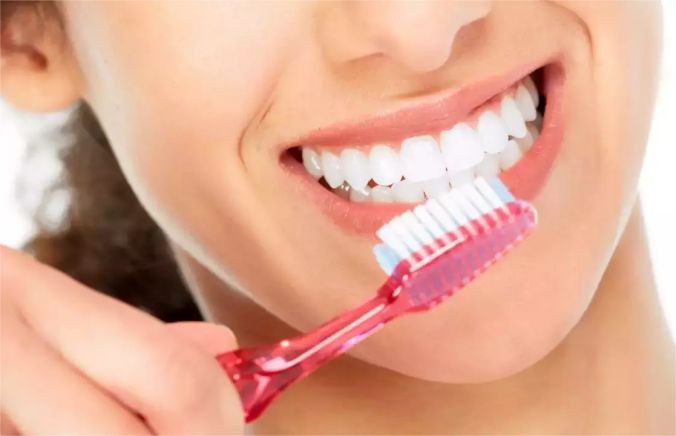
The same logic applies to teeth. Many people think dental problems are just cavities, but it's much more complex. Problems like bleeding gums, tartar, and periodontitis often start with little to no pain, making them easy to overlook. However, by the time teeth become loose or painful, they've usually reached a more serious stage. Regular dental cleanings and checkups are essentially about stopping these problems before they worsen.
Another practical reason: cost. Many people find checkups troublesome or expensive, but if you do the math, you'll find that regular checkups are actually more economical. For example, a routine dental cleaning usually doesn't cost much, but if it develops into periodontitis requiring deep treatment or even surgery, the cost will increase exponentially. The same applies to physical examinations; the cost of early intervention is far lower than the cost of later treatment.
Understanding your body is more important than any
Regular checkups aren't just about "detecting problems," but more importantly, about building a comprehensive understanding of your body. For example, an annual checkup allows you to roughly track your body's trends: whether your weight has increased, your blood pressure has fluctuated, and your liver function is stable. This sense of control provides peace of mind and makes it easier to make adjustments. The same applies to teeth. A dentist will tell you where plaque tends to accumulate and whether your brushing technique needs adjustment—all very useful information for daily dental care.
Some people might say, "I'm quite careful, so I should be fine, right?" But the problem is that our understanding of "care" is often limited. For example, insufficient brushing time, excessive force, or not using dental floss—these seemingly small details can gradually affect dental health. A physical exam can help you verify whether your current lifestyle is effective or just a matter of self-satisfaction.
Some problems can only be discovered through exami
Another point many people overlook is that some diseases truly can only be detected through examination. For example, early-stage oral cancer, gum problems, or the manifestations of some systemic diseases in the mouth are difficult for the average person to detect on their own. A professional dentist may notice these abnormalities during an examination and recommend further investigation. The value of this "incidental discovery" is actually very high.
Psychologically, many people are actually "fearful," so they don't get checked—afraid of hearing bad results. But the reality is that avoidance won't make the problem disappear; it may even make the situation worse. Conversely, once you develop a habit of regular checkups, you'll gradually find that most results are manageable, and even minor issues can be addressed promptly. This shift from "fear" to "control" also improves your mental well-being.
Advertisement
Advertisement
Tips For Getting Free Dental Work
1. Be prepared to provide documentation of your income and place of residence.
Many free dental clinics require patients to provide proof of income and residence in order to qualify for services.
2. Call ahead to schedule an appointment.
Most free dental clinics require patients to make an appointment in advance.