Oral health
How to Achieve a Healthy and Confident Smile? The Essential Oral Health Guide Everyone Should Read
15mins Read
Last Updated :Advertisement
Pay attention to oral health in daily life.
When adapting to new living environments, many people often overlook a crucial health issue—oral health. Good oral hygiene not only affects the health of your teeth and gums but also impacts your overall physical condition, self-confidence, and quality of life. For those living abroad, maintaining excellent oral health is especially important due to differences in dietary habits, healthcare systems, and daily routines. This article provides a systematic and practical oral care guide for expatriates, helping you keep a healthy, bright smile wherever you are in the world.
Establishing a Consistent Daily Brushing Routine
First and foremost, establishing a correct and consistent daily cleaning routine is the foundation of maintaining oral health. Dentists generally recommend brushing at least twice daily—once after waking up in the morning and once before going to bed at night. Use fluoride toothpaste and maintain a brushing time of approximately two minutes per session. The correct brushing technique involves positioning the toothbrush at a 45-degree angle to the gums. Gently clean the tooth surfaces and gum line to effectively remove plaque while avoiding gum damage. Many people living abroad experience hectic schedules, often rushing out in the morning and skipping brushing. However, consistently skipping this step leads to plaque buildup, increasing the risk of cavities and gingivitis.
Dental floss is an essential tool that should not
Beyond brushing, flossing is equally important. While toothbrushes clean the surfaces of teeth, they struggle to reach the spaces between teeth—areas where food particles most easily accumulate. Flossing at least once daily effectively removes bacteria and debris from between teeth, thereby reducing the risk of cavities and gum disease. In many countries, dentists consider flossing an essential step in oral care. For beginners, floss picks or pre-threaded flossers are recommended as they make mastering the technique easier.
The Impact of Dietary Habits on Teeth
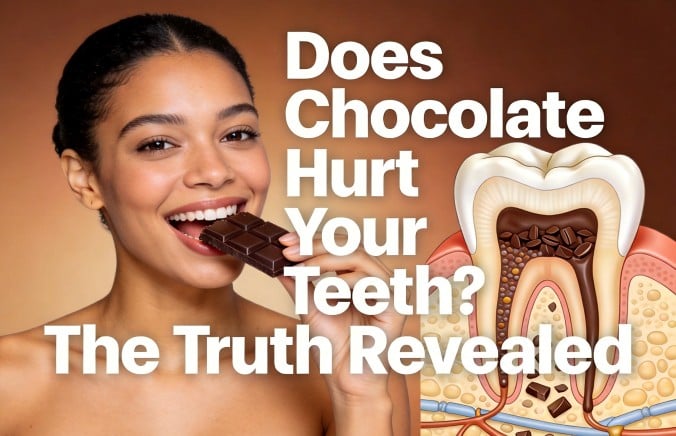
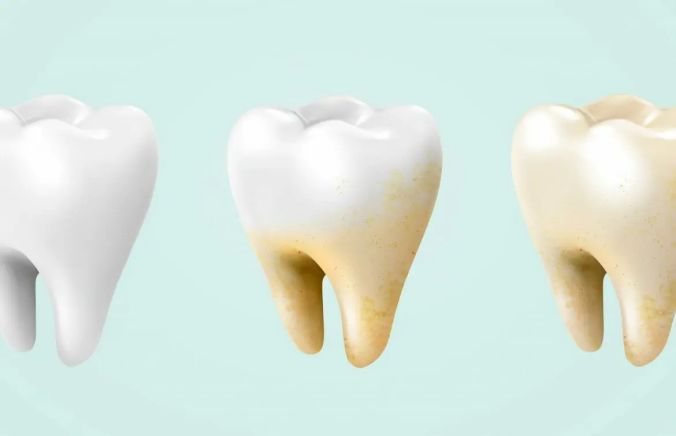
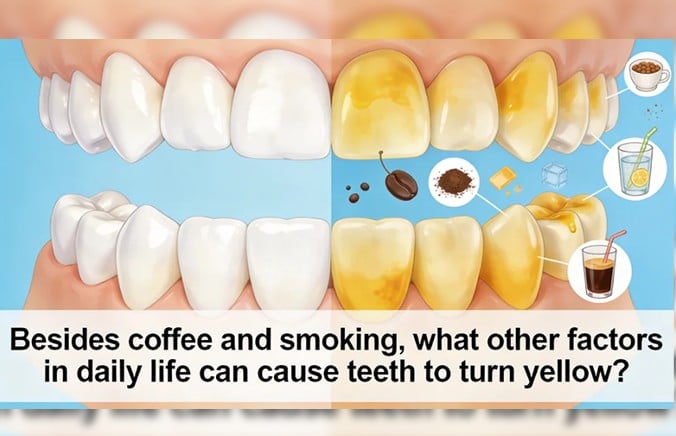
Dietary habits also profoundly influence oral health. Many people increase their consumption of coffee, sweets, or carbonated beverages after living abroad. These foods and drinks can easily cause tooth discoloration or heighten the risk of cavities. Sugar is the favorite “food” of oral bacteria. When sugar combines with bacteria, it produces acidic substances that gradually erode the enamel on the tooth surface. Therefore, minimizing the intake of high-sugar foods and rinsing your mouth promptly after consuming sweets can effectively protect your teeth.
Increase intake of tooth-friendly foods
At the same time, consuming foods rich in calcium, vitamin D, and fiber also supports dental health. Examples include milk, cheese, nuts, leafy greens, and fresh fruits, which not only strengthen tooth structure but also promote gum health. Crisp, firm fruits and vegetables like apples and carrots act as “natural toothbrushes” by helping clean tooth surfaces during chewing. For those living abroad long-term, a well-balanced diet not only supports overall health but also effectively reduces the risk of oral health issues.
Advertisement
Advertisement
Tips For Getting Free Dental Work
1. Be prepared to provide documentation of your income and place of residence.
Many free dental clinics require patients to provide proof of income and residence in order to qualify for services.
2. Call ahead to schedule an appointment.
Most free dental clinics require patients to make an appointment in advance.