Dental insurance
Does Health Insurance Cover Dental Care?
10mins Read
Last Updated :Advertisement
The Basics: Why Dental Coverage Is Often Separated
To understand whether health insurance covers dental care, it’s first important to recognize why these two types of coverage are often treated differently. Historically, health insurance was designed to cover acute and chronic medical conditions—such as illnesses, injuries, and long-term health management—while dental care was viewed as a “preventive” or “elective” service. This distinction has persisted in many countries, leading to a system where dental coverage is either excluded from standard health plans or offered as an optional add-on.
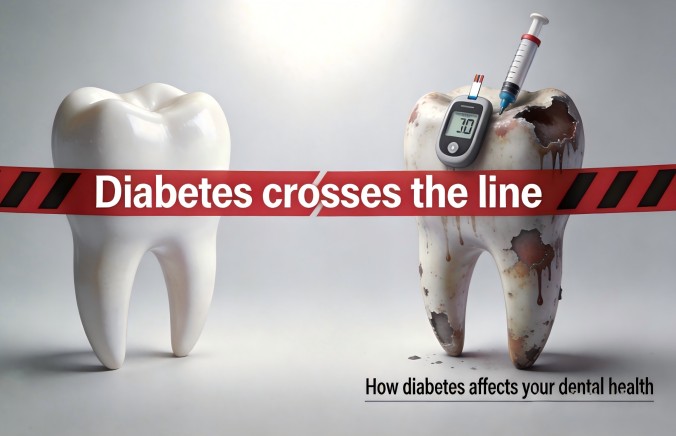
One key reason for this separation is cost. Dental care, especially major procedures like root canals, crowns, or orthodontics, can be expensive, and insurance providers often structure policies to keep premiums affordable by limiting dental benefits. Additionally, dental issues are often preventable with regular check-ups and good oral hygiene, so insurers may argue that individuals bear some responsibility for maintaining their dental health. However, this mindset is shifting in some regions, as research increasingly links oral health to overall health—for example, gum disease has been associated with heart disease, diabetes, and other chronic conditions—leading to more integrated coverage options.
Another factor is the structure of insurance systems. In countries with universal healthcare, health insurance (often government-funded) may include basic dental services for certain groups, such as children or low-income individuals, but exclude more advanced treatments. In private insurance markets, health plans may offer limited dental coverage as a perk, but standalone dental insurance is typically required for comprehensive care. According to data from the National Association of Dental Plans, around 77% of Americans have some form of dental coverage, but this is often through a separate policy rather than their primary health insurance.
What Dental Services Are Typically Covered (and Wh
When dental coverage is included in health insurance—whether as part of a bundled plan or an add-on—it’s important to understand which services are covered, as policies rarely include everything. Coverage is usually divided into three categories: preventive care, basic restorative care, and major restorative care. The level of coverage for each category varies, but there are general trends across most insurance plans.
Preventive dental care is the most commonly covered service, as it helps reduce the risk of more costly dental issues down the line. This typically includes routine check-ups (usually every 6 months), professional cleanings, fluoride treatments, and routine X-rays. Many plans cover 100% of preventive care costs, especially for children and adolescents, as part of efforts to promote long-term oral health. For example, DHMO plans—one of the most common types of dental insurance—often cover 100% of preventive services with no deductible required.
Basic restorative care addresses common dental problems that require treatment, such as cavities, minor tooth damage, and simple extractions. This category includes fillings (using composite resin or amalgam), basic extractions (e.g., removing a loose or decayed tooth), and treatment for gum inflammation. Coverage for basic care typically ranges from 70% to 80% of the cost, with the patient responsible for the remaining 20% to 30% (after meeting any deductibles). Some plans may also cover emergency dental care, such as treating a broken tooth or severe toothache, under basic care.
Major restorative care is the least likely to be fully covered by health insurance, as these procedures are often expensive and considered “elective” in some cases. This category includes root canals, crowns, bridges, dentures, and orthodontic treatment (e.g., braces or Invisalign). Coverage for major care is usually limited—often 50% of the cost—and may be subject to annual maximums (a cap on how much the insurance will pay in a year). For example, a PPO plan might cover 50% of crown costs but have an annual maximum of $1,500, meaning you would pay the full cost once you exceed that limit.
There are also services that are almost never covered by health insurance, even if dental benefits are included. These include cosmetic dental procedures, such as teeth whitening, veneers, and cosmetic bonding, as these are considered non-essential. Additionally, experimental dental treatments, dental implants (in many cases), and treatments for teeth damaged by neglect or intentional injury are typically excluded from coverage.
Advertisement
Advertisement
Tips For Getting Free Dental Work
1. Be prepared to provide documentation of your income and place of residence.
Many free dental clinics require patients to provide proof of income and residence in order to qualify for services.
2. Call ahead to schedule an appointment.
Most free dental clinics require patients to make an appointment in advance.