Oral health
How to Achieve a Healthy and Confident Smile? The Essential Oral Health Guide Everyone Should Read
15mins Read
Last Updated :Advertisement
The Importance of Regular Dental Checkups
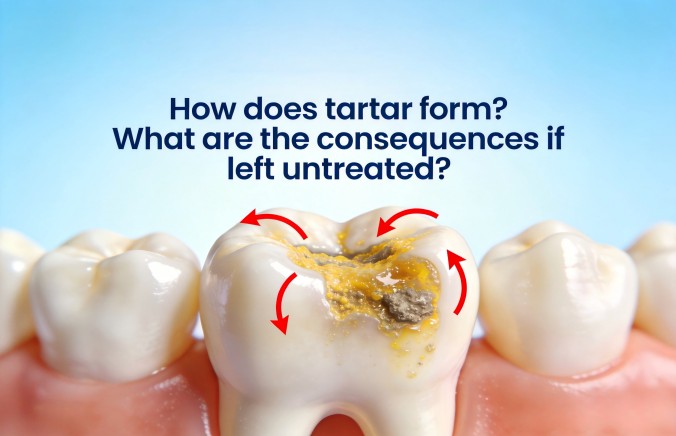
Regular dental checkups are often overlooked by many people. In most developed countries, dentists typically recommend a dental examination and professional cleaning every six months. Professional teeth cleaning removes tartar that daily brushing cannot eliminate, while dentists can promptly detect potential issues such as early cavities, gingivitis, or oral infections. For those newly arriving abroad, understanding the local dental healthcare system is crucial. Some countries include partial dental coverage in their health insurance plans, while others require purchasing separate dental insurance. Therefore, researching relevant policies in advance can help avoid unexpectedly high costs associated with dental emergencies.
Avoid the Harm of Tobacco and Alcohol to Your Mout
Healthy lifestyle habits also play a crucial role in oral health. For instance, smoking and excessive alcohol consumption can damage teeth and gums. Smoking not only causes teeth to yellow but also increases the risk of periodontal disease, oral cancer, and other conditions. Long-term smoking reduces blood circulation in the gums, making it harder for oral tissues to repair themselves. For those seeking to maintain a healthy smile, reducing or quitting tobacco and alcohol is an essential step.
The Importance of Keeping Your Mouth Moist
Maintaining oral moisture is another often overlooked detail. Saliva in the mouth possesses natural cleansing and antibacterial properties, helping to flush away food particles and neutralize acids produced by bacteria. If the mouth remains dry for extended periods, bacteria can multiply more easily. Many people working abroad experience dry mouth due to prolonged exposure to air-conditioned environments or insufficient water intake. Therefore, maintaining adequate hydration is crucial. If you feel dryness in your mouth, drink more water or chew sugar-free gum to stimulate saliva production.
Oral Care During Orthodontic Treatment
For individuals wearing braces or orthodontic appliances, oral hygiene requires extra attention. Food particles tend to accumulate around the appliances, so a specialized orthodontic toothbrush or interdental brush should be used for cleaning during brushing. Additionally, avoid consuming overly hard or sticky foods to prevent damage to the appliances. While orthodontic treatment is common in many countries, inadequate oral hygiene during this period can actually increase the risk of gingivitis or tooth decay.
Technology Enhances Oral Cleaning Effectiveness
Modern technology also offers more options for oral care. Products such as electric toothbrushes, water flossers, and antibacterial mouthwashes can all help improve oral cleaning effectiveness. Electric toothbrushes use high-frequency vibrations to more effectively remove plaque, while water flossers utilize water jets to clean between teeth and along the gumline. However, regardless of the tool used, proper technique and consistent habits remain the most crucial factors.
The Relationship Between Stress and Oral Health
There is also a connection between mental health and oral health. Many people develop habits like grinding their teeth or clenching their jaws when under significant stress, a common occurrence among those working or studying. Long-term teeth grinding can lead to tooth wear, sensitivity, and even jaw pain. If you notice nighttime teeth grinding, consult your dentist about whether a night guard is needed to protect your teeth.
Advertisement
Advertisement
Tips For Getting Free Dental Work
1. Be prepared to provide documentation of your income and place of residence.
Many free dental clinics require patients to provide proof of income and residence in order to qualify for services.
2. Call ahead to schedule an appointment.
Most free dental clinics require patients to make an appointment in advance.