Tooth KnowLedge
Is Dental Health Genetic? Understanding the Role of Heredity in Oral Health
12mins Read
Last Updated :Advertisement
The Genetic Basis of Dental Development and Struct
Genetics directly governs the fundamental development, anatomy, and structure of the oral cavity, teeth, and supporting tissues. These inherited traits establish the biological foundation upon which environmental factors act.
1.1 Tooth Development and Formation
Tooth formation, or odontogenesis, begins in utero and is tightly regulated by hundreds of genes. These genes control:
The number, size, and shape of primary and permanent teeth
The timing of tooth eruption and exfoliation
The structure of enamel, dentin, and dental pulp
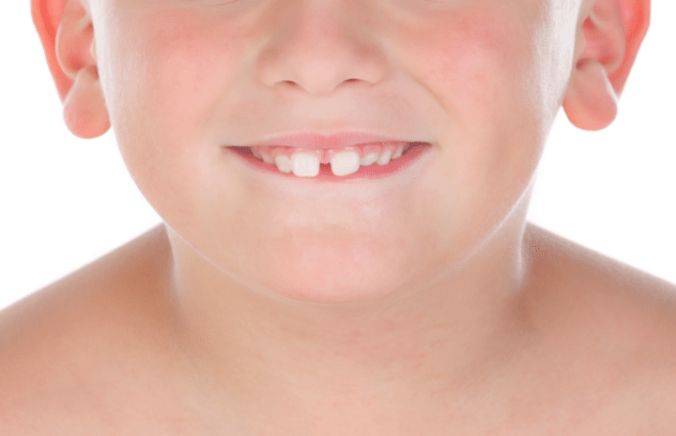
Mutations or variations in these genes can lead to congenital dental anomalies, such as hypodontia (missing teeth), hyperdontia (extra teeth), microdontia (abnormally small teeth), and macrodontia (abnormally large teeth). These conditions are highly heritable and often run in families across multiple generations.
1.2 Enamel Composition and Strength
Tooth enamel, the hardest tissue in the human body, is primarily mineral-based but its quality is strongly influenced by genetics. Specific genes regulate enamel mineralization, thickness, and resistance to acid erosion. Individuals with inherited enamel defects, such as amelogenesis imperfecta, have enamel that is thin, soft, discolored, or prone to rapid wear and decay. This condition is directly genetic and significantly increases susceptibility to cavities and tooth damage, even with consistent oral hygiene.
1.3 Jaw Structure and Dental Alignment
Facial and jaw structure is among the most heritable physical traits. Genes determine jaw size, length, and alignment, which directly impact dental crowding, spacing, overbites, underbites, and crossbites. A small or misaligned jaw, often inherited from a parent, frequently leads to crooked teeth and orthodontic issues. This explains why orthodontic problems commonly run in families, with children often requiring similar treatments to their parents.
1.4 Salivary Composition and Defense Mechanisms
Saliva plays a vital role in oral health by neutralizing acid, washing away food particles, and remineralizing enamel. Genetic factors influence salivary flow rate, pH balance, and the presence of antimicrobial components and minerals. Individuals with genetically low saliva production (xerostomia predisposition) or less effective buffering capacity have a naturally higher risk of tooth decay and gum irritation, as their oral cavity lacks robust natural defenses.
Genetic Susceptibility to Common Oral Diseases
While genetics does not directly cause most dental diseases, it significantly increases susceptibility to them. Research has identified specific genetic markers associated with higher risk of the two most prevalent oral conditions worldwide: dental caries and periodontal disease.
2.1 Dental Caries (Tooth Decay)
Multiple population and twin studies confirm a genetic component to cavity risk, with heritability estimates ranging from 30% to 50%. Genetic factors influence:
Enamel resistance to acid
Salivary protective properties
Oral microbiome composition (the types of bacteria in the mouth)
Immune response to cariogenic bacteria
Individuals with certain genetic profiles may be more prone to harmful bacterial overgrowth, even with moderate sugar exposure. However, it is important to emphasize that genetics alone does not cause decay—sugar consumption, poor hygiene, and lack of fluoride remain the primary triggers.
2.2 Periodontal (Gum) Disease
The genetic link to gum disease is even more pronounced, particularly for severe, early-onset forms. Heritability estimates for aggressive periodontitis exceed 50%, and specific gene variations affect the body’s inflammatory and immune response to oral bacteria. People with a family history of severe gum disease are significantly more likely to develop the condition, as their bodies may overreact to plaque bacteria, leading to excessive inflammation, gum recession, and bone loss. This genetic susceptibility explains why some individuals with minimal plaque develop advanced gum disease, while others with heavier plaque maintain healthy gums.
2.3 Other Heritable Oral Conditions
Several other oral health issues have strong genetic links:
Oral cancer: While primarily linked to tobacco, alcohol, and HPV, genetic predisposition increases risk in those with environmental exposures
Temporomandibular joint disorder (TMD): Jaw structure and connective tissue traits are inherited
Tooth sensitivity: Genetic enamel thickness and nerve density influence sensitivity levels
Cleft lip and palate: A multifactorial congenital condition with clear genetic and environmental components
Advertisement
Advertisement
Tips For Getting Free Dental Work
1. Be prepared to provide documentation of your income and place of residence.
Many free dental clinics require patients to provide proof of income and residence in order to qualify for services.
2. Call ahead to schedule an appointment.
Most free dental clinics require patients to make an appointment in advance.