Tooth KnowLedge
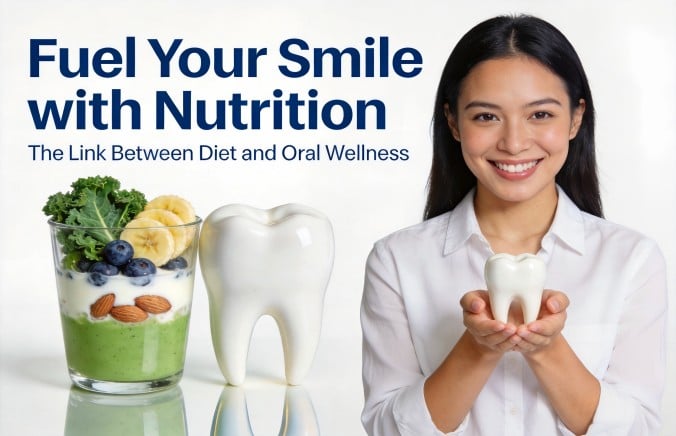
What is the best food for dental health?
14 mins Read
Last Updated :Advertisement
First: Let’s Talk About Why Food Matters for Your
Before we get into the specific foods, let’s quickly cover the “why” behind it all—because if you understand why certain foods are good (or bad) for your teeth, you’ll be more likely to choose them. And don’t worry, I’m not gonna hit you with big words or confusing studies—just simple, plain English.
Your mouth is full of bacteria—some good, some bad. The bad ones love sugar and starchy foods; when they munch on those, they produce acid that eats away at your tooth enamel (the hard outer layer that protects your teeth from cavities). Over time, that acid causes cavities, sensitive teeth, and even gum disease. The good news? Certain foods fight those bad bacteria, strengthen your enamel, and help your mouth stay balanced.
The best foods for dental health do one (or more) of these things: they’re high in minerals that strengthen enamel (like calcium and phosphorus), they stimulate saliva production (saliva is your mouth’s natural cleaner, washing away food and bacteria), they neutralize acid, or they physically scrub your teeth as you chew. And the best part? Most of these foods are delicious—no sad, tasteless “health foods” here.
Another thing to remember: it’s not just about what you eat, but how often you eat it. Snacking all day long (even on “healthy” foods) keeps your mouth full of sugar and acid, giving the bad bacteria nonstop fuel. Eating larger meals less frequently, and choosing dental-friendly snacks when you do get hungry, is key. But we’ll get into that later—let’s start with the star foods.
Dairy: The Ultimate Dental Superstar
If you’re a fan of cheese, milk, or yogurt, you’re already winning at dental health—without even trying. Dairy products are basically nature’s toothpaste in food form, and here’s why: they’re packed with calcium and phosphorus, the two main minerals that make up your tooth enamel and dentin (the layer under the enamel). These minerals strengthen your teeth, make them more resistant to cavities, and even help repair tiny, early signs of enamel wear (a process called remineralization).
But dairy has another secret weapon: casein, a protein that forms a thin, protective film over your teeth. This film blocks acid and bad bacteria from sticking to your teeth, kind of like a shield. And on top of all that, dairy is alkaline, which means it neutralizes the acid in your mouth that causes decay. Let’s break down the best dairy picks for your smile, and how to enjoy them (no boring plain milk required, unless you love that—no judgment).
Cheese: Your Teeth’s Best Friend
Cheese is hands down one of the best foods for your teeth—dentists even recommend it as a post-meal snack. Here’s why: first, it’s loaded with calcium and phosphorus, which strengthen enamel. Second, chewing cheese stimulates saliva production, which washes away food particles and bacteria. Third, it raises the pH level in your mouth, neutralizing acid that’s left behind from other foods (like tomatoes or citrus).
And get this—studies have shown that eating cheese after a meal can actually reduce the risk of cavities by lowering the amount of acid in your mouth. Plus, the casein in cheese helps rebuild enamel that’s been slightly damaged by acid. You don’t have to eat fancy cheeses, either—regular cheddar, mozzarella, string cheese, even cream cheese works. Keep a small bag of string cheese in your bag for a midday snack, add a slice of cheddar to your sandwich, or top your pasta with mozzarella—easy, delicious, and great for your teeth.
Pro tip: Eat cheese at the end of a meal. It will neutralize any acid from your food and leave a protective layer on your teeth. And if you’re craving something creamy, a slice of cheese is way better for your teeth than a cookie or a candy bar.
Plain Yogurt
Yogurt is another dairy hero, but there’s a catch: it has to be plain and unsweetened. Flavored yogurts (strawberry, vanilla, chocolate) are loaded with added sugar, which cancels out all the good stuff. Those sugars feed the bad bacteria in your mouth, create more acid, and basically undo all the benefits of the yogurt itself. So save the flavored ones for a rare treat—stick to plain Greek yogurt or regular plain yogurt for your dental health.
Plain yogurt is packed with calcium and probiotics—good bacteria that help balance the microbiome in your mouth. These probiotics crowd out the bad bacteria that cause cavities and gum disease, keeping your mouth healthier overall. It also stimulates saliva production, which helps wash away food and bacteria. If plain yogurt is too tart for you (I get it—some people hate the sour taste), add a handful of fresh berries (we’ll talk about those next!) or a sprinkle of cinnamon—no added sugar needed.
Eat it for breakfast with some granola (choose low-sugar!), as a snack with a handful of nuts, or even as a topping for oatmeal. It’s creamy, filling, and great for your teeth—win-win. And if you’re lactose intolerant, lactose-free plain yogurt works just as well—same benefits, no stomachache.
Milk (Plain, Unsweetened—Keep It Simple)
Good old-fashioned milk is still a great choice for dental health. It’s rich in calcium and phosphorus, and it’s alkaline, so it neutralizes acid in your mouth. A glass of milk with breakfast or a small glass after a meal can help reset your mouth’s pH and protect your enamel. It’s also a great source of vitamin D, which helps your body absorb calcium—so it’s a double win for your teeth and bones.
If you’re lactose intolerant, don’t worry—lactose-free milk has the same dental benefits, and fortified plant-based milks (like unsweetened soy or almond milk with added calcium) work too. Just make sure to check the label—some plant milks have no calcium, so they won’t help your teeth. And skip the flavored milks (chocolate, strawberry)—they’re loaded with sugar, which is bad for your teeth.
Pro tip: Avoid drinking milk right before bed without brushing. The lactose (natural sugar) in milk can sit on your teeth all night if you don’t brush, feeding bacteria. Drink it 30 minutes before bed, then brush your teeth—your smile will thank you. And if you’re a coffee or tea drinker, add a splash of milk to your drink—it will neutralize some of the acid from the coffee or tea, protecting your enamel.
Advertisement
Advertisement
Tips For Getting Free Dental Work
1. Be prepared to provide documentation of your income and place of residence.
Many free dental clinics require patients to provide proof of income and residence in order to qualify for services.
2. Call ahead to schedule an appointment.
Most free dental clinics require patients to make an appointment in advance.