Oral health
Different types of toothaches may indicate different oral health problems!
12min Read
Last Updated :Advertisement
Sharp stabbing pain.
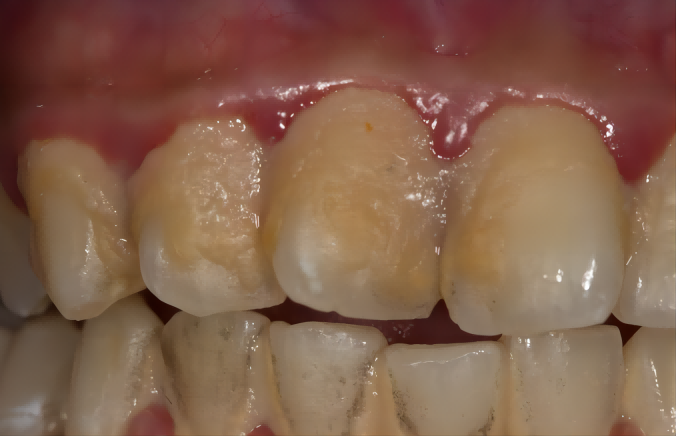
Sharp stabbing pains may indicate oral health problems. The most typical may be gingivitis or pulpitis. Untreated tooth decay is usually the cause of pulpitis, as it leads to inflammation and bacterial infection of the pulp. This inflammation may lead to sharp, stabbing pains, especially after eating or when exposed to hot or cold stimuli. Another condition is gingivitis, which can be triggered if calculus and plaque build up between the teeth and gums over time. This can lead to inflammation of the gums, which can also be painful. Additionally, tooth sensitivity can lead to sharp, stabbing pain when the gums recede or the enamel breaks down, exposing the dentin or roots. Dentin or roots may react to hot or cold stimuli, which can cause tingling. Regardless of the cause, as soon as you experience a sudden sharp pain, you should consult your dentist to determine the cause and begin treatment immediately to prevent the problem from worsening.
Persistent soreness.
Persistent mouth pain is often a sign of dental problems, including tooth sensitivity or tooth decay. The bacteria that cause tooth decay break down the sugar in meals and produce acid. This acid erodes the enamel of the teeth, forming cavities and causing pain. If a cavity is left untreated, the lesion may spread to the pulp or dentin, which can cause severe pain. However, tooth sensitivity can sometimes lead to discomfort that lingers for a long time. Teeth may react to enamel loss or receding gums that expose the dentin or root of the tooth, which is more sensitive to hot, cold, and sweet and sour stimuli. In addition, various oral diseases, including malocclusion and periodontitis as well as pulpitis, may show similar symptoms. Therefore, you should seek medical attention as soon as you notice persistent pain so that any problems can be identified and resolved as soon as possible.
Gum pain.
Gum pain is often a warning sign of oral problems. The most common may be gingivitis, which is usually triggered by long-term plaque build-up and may initially present with red, swollen, bleeding and painful gums. If left untreated, gingivitis may progress to a more serious form of periodontal disease, when the pain in the gums may become more pronounced and even be accompanied by loose teeth. In addition, brushing your teeth too hard or using a toothbrush with hard bristles may irritate your gums and cause them to ache. Some systemic diseases, such as diabetes, may also cause gum problems. Additionally, if you've recently had a tooth extraction, braces, or oral surgery, sore gums may be a sign that the surgical site is healing or that an infection is present. Whatever the cause, once you experience persistent pain in your gums, you should visit your dentist to identify the cause and get proper treatment to protect your oral health.
Pain sensitivity.
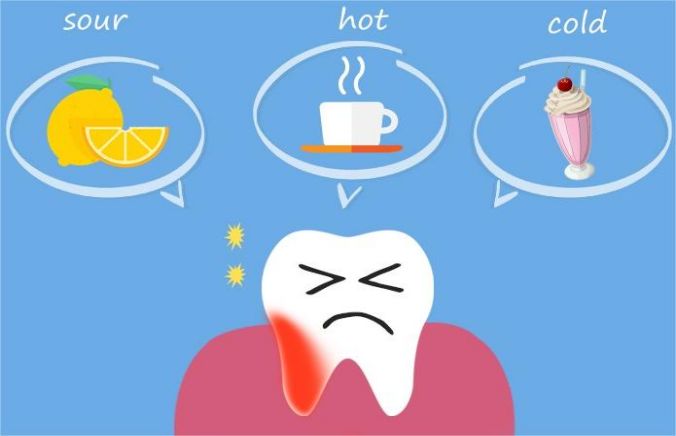
Pain sensitivity usually indicates tooth sensitivity or tooth decay problems. It usually manifests itself as an allergic reaction to hot, cold, sweet or sour foods or beverages. Tooth sensitivity is usually caused by eroded enamel, receding gums or exposed dentin or roots that protect the nerves of the teeth and trigger an inflammatory response to external stimuli. Typically, this sensitivity pain begins immediately upon contact with the stimulus and quickly disappears when the stimulus is removed. However, tooth decay can also cause sensitivity pain. Cavities are caused by bacteria that eat away at the tooth, making it sensitive to stimuli such as cold, heat, sweet, and acid. If cavities are not filled, they can become more painful and lead to more serious problems such as pulpitis. In order to identify and resolve any problems in a timely manner, it is vital that you seek medical attention as soon as you experience painful sensitivity.
Advertisement
Advertisement
Tips For Getting Free Dental Work
1. Be prepared to provide documentation of your income and place of residence.
Many free dental clinics require patients to provide proof of income and residence in order to qualify for services.
2. Call ahead to schedule an appointment.
Most free dental clinics require patients to make an appointment in advance.