Tooth KnowLedge
Is Dental Health Genetic? Understanding the Role of Heredity in Oral Health
12mins Read
Last Updated :Advertisement
Environmental and Lifestyle Factors: The Dominant
Despite the clear role of genetics, overwhelming scientific evidence confirms that environmental and lifestyle factors are the primary drivers of most dental health outcomes. For the vast majority of people, genetic susceptibility can be mitigated or even eliminated through proactive care. These modifiable factors shape oral health far more than DNA.
3.1 Dietary Habits and Sugar Consumption
Sugar is the single most impactful environmental factor for dental decay. Frequent consumption of sugary foods, beverages, and processed snacks feeds cariogenic bacteria, which produce acid that erodes enamel. Even individuals with high genetic resistance to cavities will develop decay with chronic high sugar intake, while those with genetic susceptibility can avoid cavities with low sugar exposure. This demonstrates that environment overrides genetics in most cases.
3.2 Oral Hygiene Practices
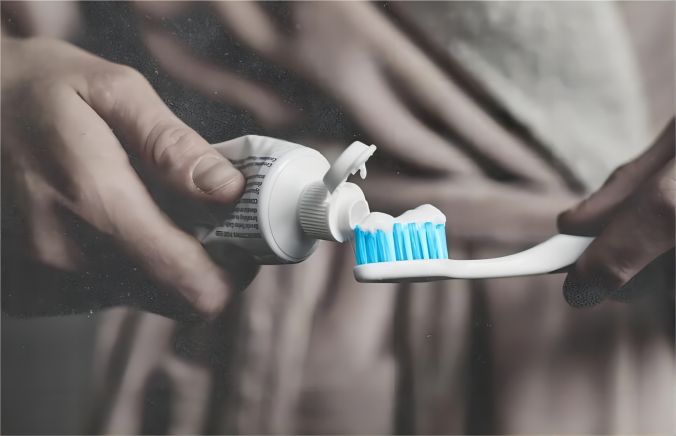
Consistent, effective oral hygiene—brushing twice daily with fluoride toothpaste, flossing daily, and using mouthwash—directly counteracts genetic vulnerabilities. Plaque removal prevents bacterial overgrowth, acid production, and inflammation, neutralizing the risks associated with inherited traits such as weak enamel or high inflammatory response. Inconsistent hygiene is the most common preventable cause of dental disease, regardless of genetic background.
3.3 Access to Preventive Dental Care
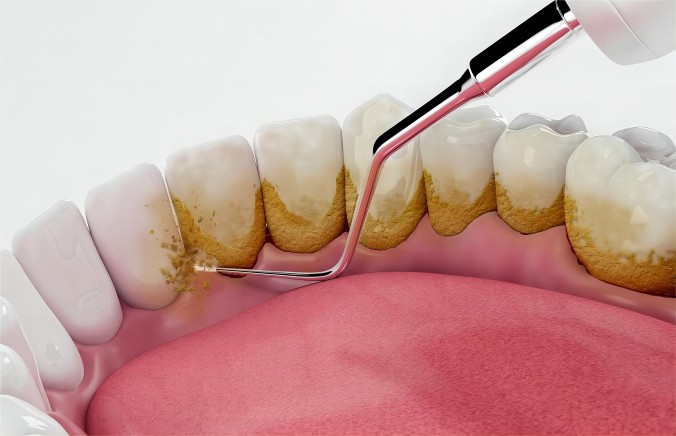
Regular dental check-ups, professional cleanings, fluoride treatments, and dental sealants are critical protective factors. These interventions address early signs of disease, strengthen enamel, and remove calculus that cannot be eliminated by brushing alone. In high-income countries with universal preventive care, genetic disparities in oral health are significantly reduced, while in low-income regions with limited access, genetic susceptibility leads to far worse outcomes.
3.4 Socioeconomic and Cultural Influences
Income, education, living conditions, and cultural norms strongly impact oral health:
Access to affordable fluoride toothpaste and clean drinking water
Availability of fresh, healthy food vs. processed, sugary alternatives
Cultural attitudes toward dental care and preventive practices
Urban vs. rural access to dental clinics
These factors often create the “family pattern” of dental issues that people mistakenly attribute solely to genetics. Shared environment within a family—similar diet, hygiene habits, and access to care—frequently mimics hereditary traits.
3.5 Additional Environmental Exposures
Other modifiable factors include:
Tobacco and alcohol use, which severely damage gum tissue and increase cancer risk
Oral habits such as thumb-sucking, teeth grinding, and nail-biting
Medication use that causes dry mouth
Exposure to fluoride in water, toothpaste, and community programs
Genetics vs. Environment: Debunking Myths and Clar
Many common misconceptions about dental genetics persist globally. This section separates myth from fact and clarifies the true balance between inherited and modifiable factors.
4.1 Myth: “If my parents have bad teeth, I will too”
Fact: While you may inherit susceptibility to cavities, gum disease, or crooked teeth, you are not destined to have poor oral health. Proactive hygiene, low sugar intake, fluoride use, and regular dental care can overcome most genetic vulnerabilities. Millions of people with family histories of dental disease maintain healthy teeth throughout their lives.
4.2 Myth: “Good dental health is just a matter of genetics”
Fact: Even individuals with strong genetic enamel and low disease risk will develop decay and gum disease without proper care. No genetic profile provides complete immunity to the effects of poor hygiene, high sugar consumption, and lack of professional care.
4.3 Myth: “Crooked teeth are purely genetic and unavoidable”
Fact: Jaw structure is genetic, but modern orthodontic treatment can correct alignment issues effectively. Additionally, environmental factors such as prolonged thumb-sucking, mouth breathing, and premature tooth loss can worsen crowding, while early intervention can mitigate inherited alignment problems.
4.4 Key Reality: Genetics loads the gun, environment pulls the trigger
This widely accepted scientific metaphor summarizes the relationship perfectly. Genetics creates potential risk, but environmental factors determine whether that risk develops into actual disease. For nearly all non-congenital dental conditions, environment is the decisive factor.
Advertisement
Advertisement
Tips For Getting Free Dental Work
1. Be prepared to provide documentation of your income and place of residence.
Many free dental clinics require patients to provide proof of income and residence in order to qualify for services.
2. Call ahead to schedule an appointment.
Most free dental clinics require patients to make an appointment in advance.