Dental Implant
What are the preoperative tests for dental implants?
10 mins Read
Last Updated :Advertisement
Psychological state and expectation assessment
Dental implant surgery, as a means of oral restoration, requires not only consideration of the patient's physiological conditions, but also attention to the patient's psychological state and expectations. Preoperative assessment of the patient's psychological state and expectations will help ensure the smooth progress of the surgery and patient satisfaction after the surgery.
1. Assessment of the patient's psychological state
Degree of anxiety and fear: Many patients have different degrees of anxiety and fear about the surgical procedure, which may affect the degree of cooperation and postoperative recovery. Through conversation and questionnaires, patients' anxiety levels are assessed and psychological interventions are taken if necessary.
Confidence and optimism: Optimistic and positive patients tend to cope better with surgery and the recovery period. Understanding the patient's confidence in the outcome of the surgery can help the surgeon adjust communication strategies and increase the patient's confidence in treatment.
Coping styles: Assessing the patient's coping styles in the face of stress and challenges, such as whether he or she tends to seek support and whether he or she engages in avoidance behaviors, etc., is crucial to developing a personalized psychological support plan.
Psychological support system: To understand the status of the patient's family and social support system, a good support system will help the patient to better cope with the surgery and recovery period.
2. Patient expectation assessment
Functional expectations: The patient's functional expectations of dental implants, such as chewing ability, speech clarity, etc.. Clarifying these expectations will help the surgeon set reasonable treatment goals.
Aesthetic expectations: the patient's expectations for the appearance of dental implants, including the size, shape and color of the teeth. The surgeon needs to assess the feasibility of these expectations and communicate them to the patient.
Post-operative comfort expectations: The patient's expectations for post-operative comfort, such as pain control and speed of recovery. Understanding these expectations will help the surgeon to take appropriate measures during surgery and postoperative management.
Long-term outcome expectations: The patient's expectations about the long-term outcome of dental implants, including longevity, maintenance costs, etc. The doctor should provide the patient with realistic information about the long-term outcome of dental implants. Doctors should provide patients with true information to avoid excessive expectations leading to postoperative dissatisfaction.
3. Evaluation methods
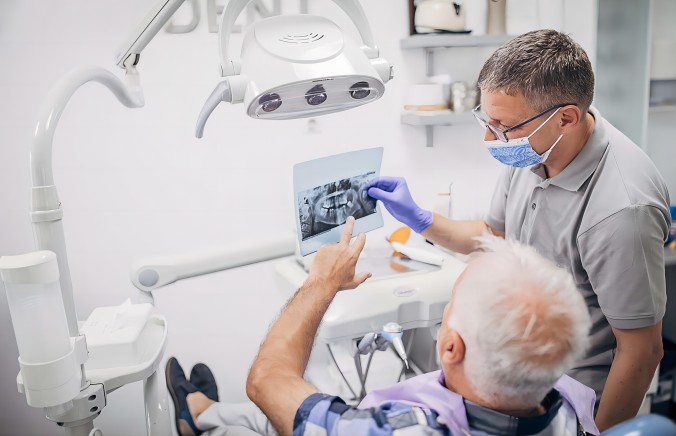
Face-to-face conversation: through in-depth conversation with patients to understand their psychological state and expectations and establish a good doctor-patient relationship.
Questionnaire survey: Use standardized questionnaires, such as anxiety self-assessment scale and expectation assessment scale, to quantify the patient's psychological state and expectation value.
Observation method: Observe patients' behavioral performance in the clinic, such as expression, body language, etc., as an auxiliary means of assessment.
4. Handling of assessment results
Psychological support: For patients with obvious anxiety, fear or other psychological problems, psychological counseling or treatment is provided to help them adjust their state of mind.
Treatment recommendation: Provide reasonable treatment recommendations based on the patient's expectations, including the type of dental implant, surgical plan, etc.
Communication and education: Explain to patients in detail the surgical procedure, possible risks and post-operative precautions to ensure that they have a full understanding of the treatment.
Expectation management: For unrealistic expectations, doctors should manage expectations appropriately to avoid disappointment and dissatisfaction after surgery.
Advertisement
Advertisement
Tips For Getting Free Dental Work
1. Be prepared to provide documentation of your income and place of residence.
Many free dental clinics require patients to provide proof of income and residence in order to qualify for services.
2. Call ahead to schedule an appointment.
Most free dental clinics require patients to make an appointment in advance.