Dental Implant
Research on the relationship between dental implants and bone density
12 mins Read
Last Updated :Advertisement
Bone density and success rate of dental implants
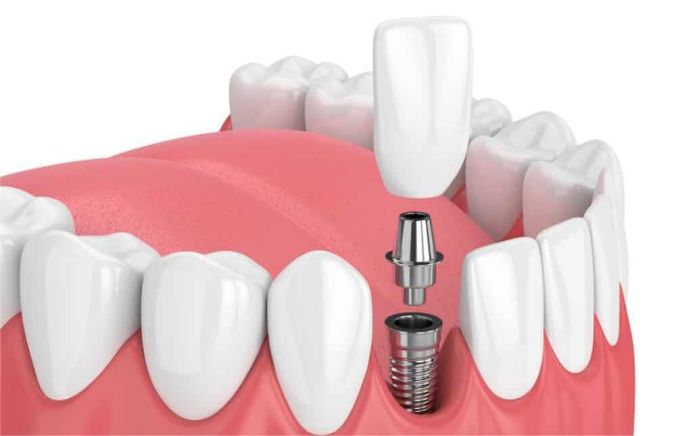
Patients with higher bone density generally have better prospects for dental implants because solid bone provides more reliable support. Lower bone density may lead to increased risk of dental implant failure or complications, such as implant loosening or bone resorption.
Before dental implant surgery, your doctor will usually use an X-ray or CT scan to evaluate the patient's bone density and quality. For patients with low bone density, your doctor may recommend bone grafting or the use of bone proliferating substances to increase bone mass to increase the success rate of dental implants.
The patient's overall health and oral hygiene also play a key role in the success of dental implants. Good oral hygiene habits and regular dental check-ups can reduce the risk of postoperative infection and complications and contribute to a smooth recovery from dental implants. Bone density is one of the important factors affecting the success rate of dental implants.
Application of bone density testing in dental impl
Bone density testing during dental implants is a magical technology, just like a superhero in the dental world! This test can not only gain insights into every cell of the patient's bones, but also predict the success or failure of dental implant surgery. When the patient steps into the dental clinic, the doctor holds a bone density detector. This magical instrument can peek into every cell of the patient's bones. In a mysterious corner, the secret of bone density is revealed. Once the sacred data of bone density is obtained, doctors can determine the success or failure of dental implant surgery as if they were controlling destiny. High-density bones are like an indestructible wall, making the success rate of dental implants as high as 99.99%, making any external diseases and accidents insurmountable.
But if your bone density is low, it's like a disaster waiting to happen. Doctors will face many challenges, but they are not afraid because they have bone density detectors that can accurately predict the weakness of bones. Bone density testing can help doctors determine the best position and angle of implants. Through a detailed bone density analysis, your doctor can choose the best location to place the implant to ensure it is integrated and stable. This maximizes the success rate of dental implants and reduces the risk of postoperative complications.
The impact of reduced bone density on dental impla
Decreased bone density is a nightmare straight out of a horror movie when it comes to dental implants! It is like an uninvited guest, carrying out a devastating attack on the alveolar bone. When the bone density decreases, the alveolar bone is like a fragile wall on the edge of a cliff, which may collapse at any time, causing dental implant surgery to fall into chaos and panic. The implant may be like a lonely branch stuck in the weak soil, facing the danger of being blown down by the wind at any time! The decrease in bone density also poses a huge challenge to the surgical procedure. Reduced bone density can also lead to a host of complications and consequences. Implants can encounter unimaginable difficulties, such as migration, loosening or even complete failure! Patients will also fall into the abyss of pain. Don’t worry, the doctor’s technology is now able to completely overcome it and implant perfect teeth for you!
Advertisement
Advertisement
Tips For Getting Free Dental Work
1. Be prepared to provide documentation of your income and place of residence.
Many free dental clinics require patients to provide proof of income and residence in order to qualify for services.
2. Call ahead to schedule an appointment.
Most free dental clinics require patients to make an appointment in advance.