Tooth KnowLedge
Are you brushing your teeth the right way? Horizontal vs. vertical brushing: a huge difference in direction and effect.
20mins Read
Last Updated :Advertisement
It's not just about posture; it's about healthy teeth.
Brushing your teeth every morning and before bed is a simple task almost everyone does, but few brush correctly. Many people simply brush horizontally back and forth, thinking it's faster and cleaner; others hear from elders that you should brush vertically, but don't know why. Actually, brushing in the wrong direction not only doesn't work, but it can also damage your teeth and gums. Today, let's understand the difference between horizontal and vertical brushing, their advantages and disadvantages, and how to brush scientifically. Read this clearly, and you'll be able to correct your brushing technique immediately.
I. Why is brushing direction so important?
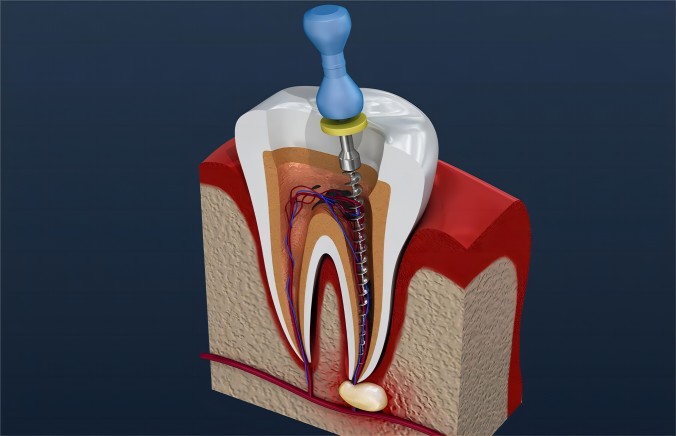
First, let's address a point many people easily overlook: teeth aren't flat; they have structure, gaps, and angles. The area where the gums meet the teeth is actually the easiest place for dirt to accumulate.
If you brush your teeth incorrectly, two problems will occur: First, you won't clean them properly, missing areas that need cleaning. Second, you might over-brush, damaging your teeth and gums.
Therefore, brushing your teeth is not just about "brushing," but more like performing a delicate task requiring some skill.
II. Brushing Horizontally: A Common Habit
Let's start with the most common method—brushing horizontally.
Many people have brushed their teeth this way since childhood: placing the toothbrush on their teeth and rubbing back and forth quickly, seemingly with considerable force. The biggest advantage of this method is its simplicity, convenience, and the feeling of "vigorous" brushing.
But this is precisely where the problem lies.
1. Easily Causes Tooth Wear
Long-term, vigorous horizontal brushing will gradually wear away the enamel on the surface of the teeth. Especially near the gum line, a small indentation at the root of the tooth can easily occur, making it look like it has been "shaved off."
This is actually a typical "wedge-shaped defect," which many people develop at a young age.
2. Gums are also easily injured.
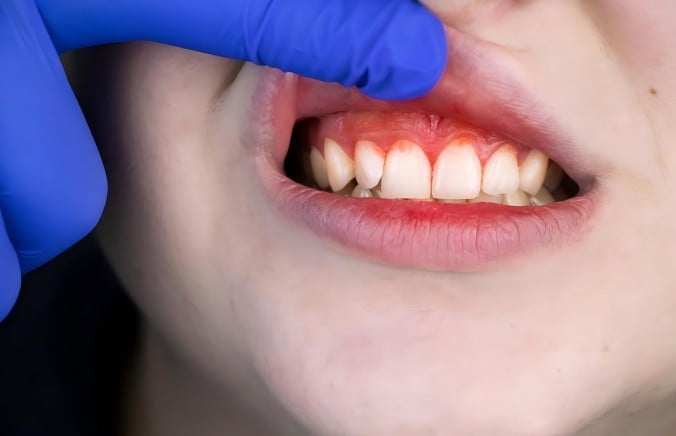
When brushing horizontally, if you apply too much pressure, you can easily brush directly onto your gums. Over time, this can lead to gum recession, bleeding, and even increased sensitivity.
Some people experience sensitivity to hot or cold foods, which is likely due to incorrect brushing techniques.
3. Cleaning efficiency is actually not that high.
Many people believe that brushing horizontally gets a cleaner result, but in reality, it's not very effective at cleaning between teeth and along the gum line. Those small areas are difficult to reach with horizontal back-and-forth motions.
III. Vertical brushing: Sounds complicated, but is actually more scientific.
Let's talk about vertical brushing.
"Vertical" here doesn't simply mean brushing up and down twice, but rather is closer to the "Bass brushing technique" often used by dentists—the bristles are slightly tilted, facing the gum line, and gently made small up-and-down or rotating motions.
It sounds a bit complicated, but the principle is actually very simple: Brush along the structure of the teeth, instead of "rubbing" horizontally.
1. Better Fits Tooth Structure
Teeth "grow" from the gum line, so brushing in this direction makes it easier to remove bacteria from the gum line.
Simply put: cleaning along the direction of growth is more effective than brushing horizontally.
2. Gentler on Gums
When brushing vertically, you generally don't use too much force, and the movements are more thorough. This reduces irritation to the gums, lowering the risk of bleeding and recession.
This difference is especially noticeable for people with sensitive gums.
3. More Thorough Cleaning of Hard-to-reach Areas
Between teeth and along the gum line are where plaque most easily accumulates. Vertical brushing, combined with slight angle adjustments, makes it easier to clean these areas.
Advertisement
Advertisement
Tips For Getting Free Dental Work
1. Be prepared to provide documentation of your income and place of residence.
Many free dental clinics require patients to provide proof of income and residence in order to qualify for services.
2. Call ahead to schedule an appointment.
Most free dental clinics require patients to make an appointment in advance.