Tooth KnowLedge
Losing a Tooth: Neglecting to Get It Done Will Lead to Dental Problems
15mins Read
Last Updated :Advertisement
Many people underestimate the "chain reaction" of not getting a tooth replaced.
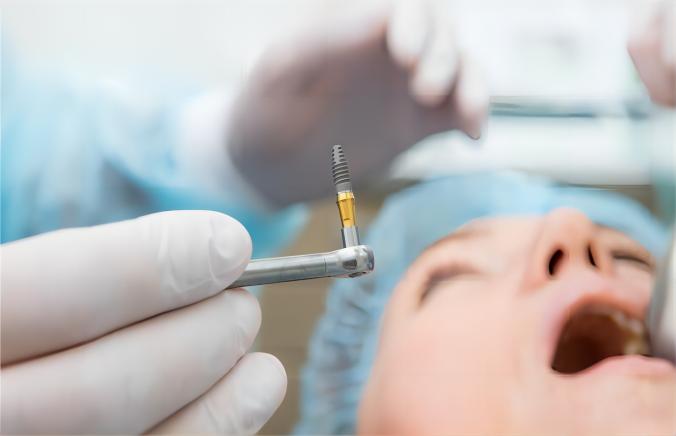
Many people are quite indifferent to the issue of missing teeth. They feel that losing a tooth doesn't seem to affect eating, and some even think, "I'll get it replaced when I have time and money." But the reality is that once a tooth is lost, if it's left untreated for a long time, the effects often "amplify" step by step. Many problems don't appear immediately but accumulate quietly, and by the time you notice them, the situation may have become much more complex. What happens if you don't replace a missing tooth?
I. The Most Direct Effect: Becoming "Picky" at Eating
Let's start with the most easily noticeable change—decreased chewing ability.
Losing a tooth, especially a back tooth, might initially just feel like "this side isn't working well," so you subconsciously start chewing on the other side. Over time, this becomes unilateral chewing. In the short term, it may seem fine, but problems arise over time:
One side of the teeth is "overused," causing faster wear.
The other side, due to prolonged disuse, gradually deteriorates in function.
Insufficient chewing also increases the burden on the digestive system.
Many people eventually find themselves becoming increasingly "picky" about food: afraid to eat harder foods, unable to chew tougher ones. It's not that their appetite has changed, but rather that their teeth are "holding them back."
II. Adjacent Teeth Start to "Displace," Disrupting the Tooth's Formation
Teeth don't exist independently; they're like rows of soldiers, supporting each other.
When a tooth is missing, the adjacent teeth will gradually tilt and shift into the empty space. This change doesn't happen overnight, but rather slowly over months or even years, and once it occurs, it's difficult to reverse.
Common changes include:
Adjacent teeth tilting towards the missing tooth;
Opposing teeth (upper or lower teeth) "elongating";
Gap between teeth widening, making it easier for food to get stuck.
These changes cause teeth to become misaligned, affecting not only appearance but also making cleaning more difficult, and over time, increasing the risk of cavities and gum problems.
III. Gradual "shrinkage" of the alveolar bone, with increasingly profound effects.
This is a crucial point that many people are unaware of: after tooth loss, alveolar bone gradually diminishes.
Simply put, teeth act like "stimulators," putting pressure on the alveolar bone through daily chewing, keeping the bone healthy. Once teeth are gone, this stimulation disappears, and the bone slowly absorbs and thins.
Potential impacts include:
Gum collapse, making the gums appear "sunken"
Changes in facial contours, making one look older
Insufficient bone volume makes future dental implants more difficult
Some people delay wanting to get fillings for many years, only to find that it's no longer a simple matter of filling a single tooth, but requires bone grafting, which takes longer and is more expensive.
IV. Pronunciation may be affected, making speech sound unnatural
If a front tooth is missing, the impact extends beyond eating; it can also affect speech.
For example, some sounds (like "s" and "f") require teeth to produce; if missing, it can lead to lisping or unclear pronunciation. Some people may unconsciously adjust their speech pattern, but it will sound awkward.
This will have a certain impact on daily and work communication, especially for people who speak frequently.
Advertisement
Advertisement
Tips For Getting Free Dental Work
1. Be prepared to provide documentation of your income and place of residence.
Many free dental clinics require patients to provide proof of income and residence in order to qualify for services.
2. Call ahead to schedule an appointment.
Most free dental clinics require patients to make an appointment in advance.