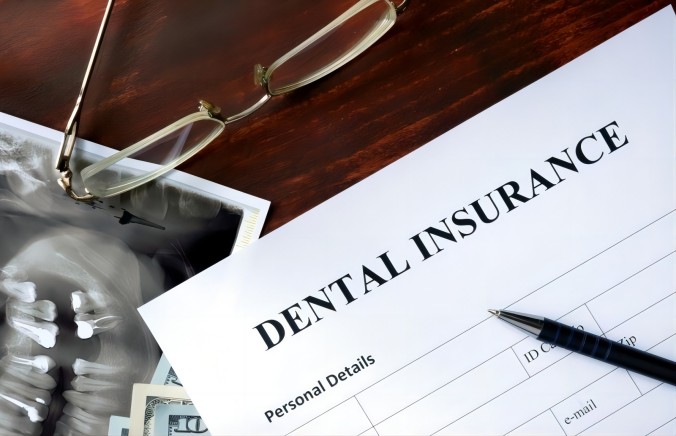
Dental insurance
Does Health Insurance in the U.S. and India Cover Dental and Vision Care? A Guide to Avoid Pitfalls
15mins Read
Last Updated :Advertisement
First, Make Sure You Understand the Different Heal
When purchasing health insurance, many people face a very practical question: Does this plan actually cover dental care and vision services (such as eyeglasses and eye exams)? There is no one-size-fits-all answer to this question, as there are significant differences depending on the country and the type of insurance.
Honestly, if you don’t clarify this in advance, you’re likely to run into trouble later. Many people assume that “health insurance covers everything,” only to discover when they visit the dentist or get glasses that they have to pay out of pocket.
After reading this article, you’ll have a solid idea of how to choose.
I. First, here’s the big picture: Most basic healt
Whether in the U.S. or India, most “basic health insurance” plans are primarily designed to cover major medical expenses, such as hospitalization, surgery, acute illnesses, and treatment for chronic conditions.
However, services like dental care, eye exams, and prescription glasses are typically classified as “routine health management” rather than “medical risks.”
So the reality is:
Many basic insurance plans do not include dental and vision coverage, or only cover a very small portion of these costs.
II. The Situation in the U.S.: Coverage Is Highly
Let’s start with the U.S., as its insurance system is relatively more complex.
In the U.S., health insurance, dental insurance, and vision insurance are typically three separate products.
In other words:
Having health insurance ≠ automatic coverage for dental and vision care
1. Dental Insurance
If you haven’t purchased separate dental insurance, many services will be out-of-pocket expenses, such as:
Teeth cleaning, fillings, tooth extractions, crowns, and root canal treatments. Even if you have dental insurance, keep in mind that coverage is usually tiered, for example:
Preventive care (checkups, teeth cleaning) has a high reimbursement rate
Basic treatments (fillings) have a moderate reimbursement rate
Major procedures (crowns, implants) have a lower reimbursement rate
Additionally, major procedures usually have a waiting period, such as six months to a year.
2. Vision Insurance
The logic for vision coverage is similar.
If you haven’t purchased additional vision insurance, these services are generally not covered:
Eye exams, prescription glasses, and contact lenses
However, if you have a Vision Plan, it typically includes:
One annual eye exam
A subsidy for glasses or lenses up to a certain amount
However, the amount is usually not very high; it’s more like a “discount” rather than full coverage.
3. Special Cases: Medical Conditions Covered by Health Insurance
For example:
Cataract surgery, glaucoma treatment, eye infections
These are classified as “medical conditions” and are usually covered by health insurance rather than vision insurance.
III. The Situation in India: Lower Coverage, but S
Turning to India, the situation here is relatively simpler, but coverage is generally more limited.
1. Most health insurance plans do not include dental and vision care
In India, standard health insurance (Mediclaim) primarily covers:
Hospitalization costs, surgical costs, and critical illnesses
Dental and vision care are generally excluded by default, especially:
Routine dental care, prescription eyeglasses, and routine checkups
These are almost always out-of-pocket expenses.
2. Coverage is typically limited to “accidents or serious conditions”
For example:
Tooth damage caused by a car accident, severe oral infections requiring hospitalization, or eye surgery
Reimbursement through insurance is only possible in such cases.
3. Some premium or new insurance plans are beginning to include these benefits
Some premium insurance plans or corporate group policies in India are now beginning to include:
Annual dental checkups, basic dental care, and subsidies for eye exams
However, it’s important to note that these typically:
Have coverage limits
Aren’t accepted at all hospitals
Require additional out-of-pocket payments
Advertisement
Advertisement
Tips For Getting Free Dental Work
1. Be prepared to provide documentation of your income and place of residence.
Many free dental clinics require patients to provide proof of income and residence in order to qualify for services.
2. Call ahead to schedule an appointment.
Most free dental clinics require patients to make an appointment in advance.