Tooth KnowLedge
Is gum recession an inevitable part of aging?
15mins Read
Last Updated :Advertisement
Do gums "age"? Is gum recession truly unavoidable?
Many people wonder: will gums inevitably recede as we get older? Some people notice changes in their teeth when they look in the mirror, with increasingly noticeable gaps, and subconsciously assume this is a normal part of aging. Many people believe that skin loosens, bones degenerate, and bodily functions decline; gums, as soft tissue in the mouth, naturally recede with age—an irreversible physiological process. Indeed, we see a very high rate of gum recession in middle-aged and elderly people, with widening gaps between teeth, exposed tooth roots, and loose teeth becoming common phenomena. This leads many to believe that gum recession is an inevitable part of life. But is this really the case? Is gum recession a natural process, or is it a problem that can be avoided or even reversed?
I. Gum recession may look like "aging," but it's not necessarily an age-related issue.
Let's address a common misconception: gum recession is related to age, but it's not an "inevitable outcome." As we age, our body's repair capabilities do decline, and gum tissue becomes slightly more fragile. However, if our oral health remains good, gums won't recede significantly for no reason. In other words, age is just a "background factor"; what truly determines gum condition is daily oral hygiene and the oral environment.
Many middle-aged and elderly people experience significant gum recession not because they are "old," but because they have neglected certain oral health issues for a long time, such as plaque buildup, tartar irritation, and chronic inflammation.
II. Why Do Gums Reced? What are the Real "Behind-the-Scenes Culprits"?
If we compare gums to "soil," then teeth are "trees planted in the soil." If the soil is lost, the roots will naturally be exposed. So what is quietly "taking away the soil"?
1. Periodontitis: The Most Common Culprit
The primary cause of gum recession is actually periodontitis. Plaque that isn't properly cleaned over a long period gradually forms tartar, irritating the gums and causing chronic inflammation. Inflammation damages the gums and alveolar bone, causing the gums to gradually recede.
Many people think bleeding gums are a minor problem, but it's often an early sign of periodontitis.
2. Improper brushing technique: Too much force is also harmful.
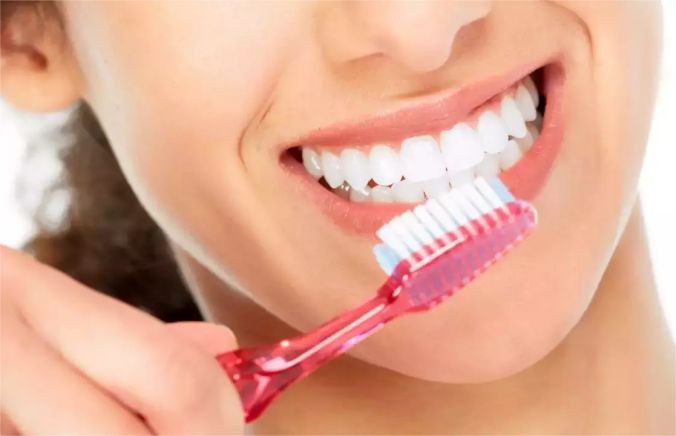
Some people think that the harder they brush, the cleaner their teeth will be, but the opposite is true. Long-term use of a hard toothbrush or a horizontal "sawing" brushing motion can cause mechanical damage to the gums, potentially leading to gum recession over time.
3. Abnormal occlusal pressure: Uneven force on teeth.
If teeth are misaligned or you consistently chew on one side, some teeth will bear excessive pressure. This pressure is transmitted to the gums and alveolar bone, which can also cause recession over time.
4. Bad habits: You may be damaging your teeth every day.
For example, biting hard objects, using your teeth to open bottle caps, grinding your teeth, biting your nails, etc., all put extra strain on your teeth and gums, gradually worsening gum recession.
5. Hormonal changes and overall health. Some women may be more prone to gum problems during pregnancy or menopause. In addition, chronic diseases such as diabetes can also affect gum health.
Advertisement
Advertisement
Tips For Getting Free Dental Work
1. Be prepared to provide documentation of your income and place of residence.
Many free dental clinics require patients to provide proof of income and residence in order to qualify for services.
2. Call ahead to schedule an appointment.
Most free dental clinics require patients to make an appointment in advance.