Tooth KnowLedge
Shuāyá jiù jiàn xiě? Bié hūshì! Yáyín chūxiě bèihòu de zhēnzhèng yuányīn dōu zài zhèlǐ 1, shuāyá chūxiě, zhēn de zhǐshì shuā tài yònglì ma? Hěnduō rén dōu yǒu zhèyàng de jīnglì: Míngmíng zhǐshì zhèngcháng shuāyá, què fāxiàn yáshuā shàng dàizhe xuèsī, shènzhì shù kǒu shí shuǐ dū biàn hóngle. Yī kāishǐ bù shǎo rén huì juédé “méishì, kěnéng shì shuā tài yònglìle”, dàn rúguǒ zhè zhǒng qíngkuàng fǎnfù chūxiàn, qíshí jiù bùshì jiǎndān de xiǎo wèntíle. Yáyín chūxiě, wǎngwǎng shì shēntǐ zài xiàng nǐ fāc
15mins Read
Last Updated :Advertisement
1. Is bleeding gums just from brushing too hard?
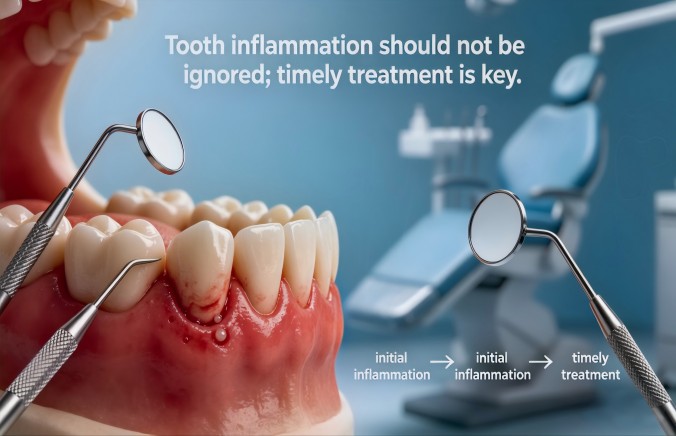
Many people have experienced this: they brush their teeth normally, but find blood on their toothbrush, or even the water turns red when rinsing. At first, many people think, "It's nothing, maybe I brushed too hard," but if this happens repeatedly, it's not a simple problem. Bleeding gums are often a warning signal from your body. Today, let's talk about why gums always bleed when brushing and how to deal with it correctly.
2. Several common causes of bleeding gums explained in one go
First, the most common cause is actually inflammation of the gums themselves. Every day we eat, and food debris easily gets stuck in the gaps between our teeth. If not cleaned properly, it gradually forms plaque. Plaque is a sticky film of bacteria that constantly irritates the gums, making them red, swollen, and sensitive. Even a slight touch while brushing can easily cause bleeding. This condition, medically known as gingivitis, is the leading cause of bleeding gums.
Many people believe that brushing their teeth daily will prevent problems, but actually, "how you brush" is more important than "whether you brush at all." Incorrect brushing techniques, such as using a horizontal, sawing motion, not only result in poor cleaning but also easily damage the gums. Over time, the gum line becomes increasingly fragile and bleeds easily. Therefore, if your brushing habits are rough, bleeding gums may be caused by excessive brushing.
3. These daily habits are quietly damaging your gums
Besides brushing techniques, the toothbrush itself also affects gum health. Some people like to use toothbrushes with very hard bristles, thinking it cleans better. However, overly hard bristles repeatedly irritate the gums, causing micro-trauma. This is especially true for people with sensitive gums, who are more prone to bleeding while brushing. Conversely, choosing a soft-bristled toothbrush is a more reasonable choice, as it cleans teeth while minimizing damage to the gums.
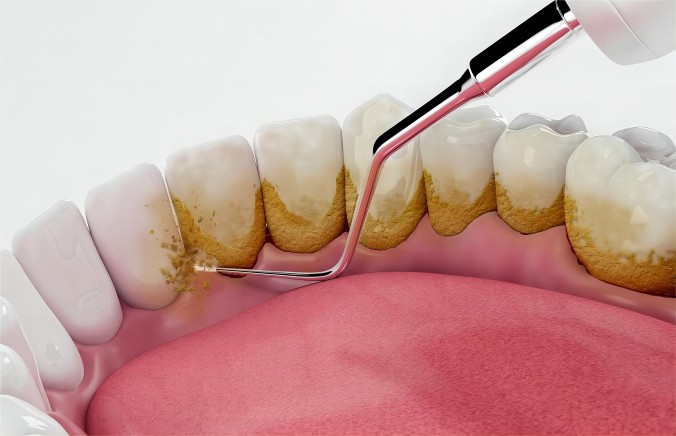
Let's talk about a factor that many people overlook—tartar. When dental plaque isn't cleaned properly, it gradually calcifies, turning into hard tartar. Tartar usually adheres to the gum line or even below the gum line; its rough surface makes it easy for bacteria to accumulate and constantly irritate the gum tissue. At this point, the gums not only bleed easily but may also be accompanied by bad breath and gum recession. If you find that bleeding gums have been persistent while brushing your teeth, tartar is likely the culprit.
4. Not just oral problems, bodily changes also play a role.
Besides oral hygiene, some bodily changes can also cause bleeding gums. For example, insufficient vitamin C intake can make gum tissue more fragile, reducing its resistance and making it more prone to bleeding. This is why some people experience a significant increase in gum problems after a period of unbalanced diet. Irregular sleep patterns and excessive stress can also affect the body's immunity, making the gums more susceptible to inflammation.
There are also certain groups of people who are more prone to bleeding gums while brushing their teeth. For example, pregnant women, due to hormonal changes, have more sensitive gums to bacteria, making them prone to bleeding even with slight irritation; this condition is called "pregnancy gingivitis." In addition, middle-aged and elderly people are more prone to bleeding gums when brushing their teeth due to receding gums and decreased tissue repair ability.
Advertisement
Advertisement
Tips For Getting Free Dental Work
1. Be prepared to provide documentation of your income and place of residence.
Many free dental clinics require patients to provide proof of income and residence in order to qualify for services.
2. Call ahead to schedule an appointment.
Most free dental clinics require patients to make an appointment in advance.