Tooth KnowLedge
Tooth inflammation should not be ignored; timely treatment is key.
15mins Read
Last Updated :Advertisement
Pay attention to inflammation to protect oral and overall health.
"A toothache isn't a disease, but it can be excruciating," a long-standing proverb that many people have experienced firsthand. Swollen gums after working late, toothache after eating spicy food, bleeding gums while brushing… these seemingly insignificant symptoms are actually signals of tooth inflammation. Many people dismiss these symptoms, thinking "it'll pass if I just bear with it" or "some anti-inflammatory medicine will do the trick," unaware that this complacency can allow minor inflammation to develop into major problems, not only causing unbearable pain but also potentially leading to systemic health risks. Today, we'll tell you why it should never be ignored and how to deal with it correctly.
I. Don't treat inflammation as a "minor ailment"—it's a "health alarm" for your oral cavity.
First, it's important to understand that tooth inflammation is not a "minor ailment," but rather a "health alarm" from your oral cavity. Essentially, it's an inflammatory response triggered by bacterial infection or irritation of the teeth or surrounding tissues, much like a minor oral cold. However, if left untreated, it can develop into pneumonia. Many people have misconceptions about tooth inflammation, believing that only severe toothaches that keep them awake at night require a visit to the dentist, while mild redness and dull pain are insignificant. In reality, the dangers of tooth inflammation are far more insidious and serious than we imagine.
II. The Dangers of Tooth Inflammation: More Than Just Toothache, It Affects the Whole Body
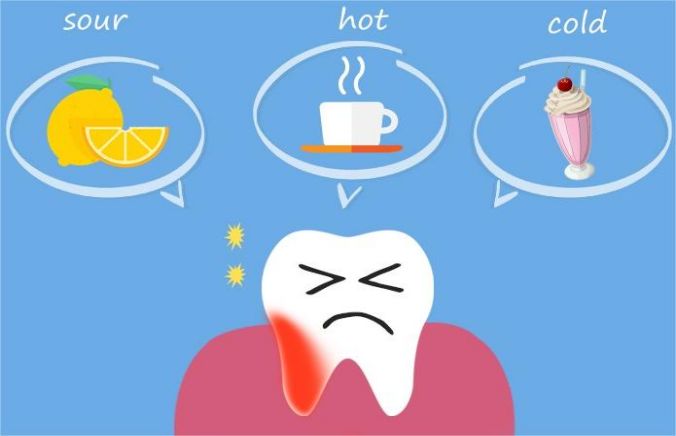
Let's start with the most obvious harm—local pain in the oral cavity. The most common symptom of tooth inflammation is pain, which can be divided into two types: one is mild, dull, throbbing pain, such as when gums are inflamed, causing discomfort when eating or brushing teeth. Although it doesn't affect daily life, it recurs frequently, causing considerable annoyance; the other is severe, stabbing, throbbing pain, such as when pulpitis flares up, where the pain radiates to the head, face, and ears. Even drinking a sip of cold water or eating a bite of rice can trigger excruciating pain, making it impossible to sleep at night in severe cases, and even speaking and chewing become a luxury.
Besides pain, tooth inflammation can also lead to swollen and bleeding gums, bad breath, and even loose teeth. Many people experience bleeding gums while brushing their teeth and mistakenly attribute it to "internal heat," simply drinking some herbal tea to alleviate the problem. However, this could actually be a sign of gingivitis—bacteria accumulate between the gums and teeth, irritating and causing swelling and bleeding even with the slightest touch. Over time, the gums will gradually recede, the teeth will lose support, become loose, and may eventually fall out. Even more alarming, if the inflammation persists, it can form an abscess, with small white pustules appearing on the gums. These pustules will rupture, draining pus and emitting a foul odor, affecting not only appearance but also worsening the infection.
Furthermore, it's important to note that dental inflammation is not just an oral problem; it can also affect overall health. Recent medical research has found a close link between oral health and overall health. Bacteria and inflammatory factors produced by dental inflammation can spread throughout the body via the bloodstream, triggering various diseases. For example, patients with periodontitis are 2.1 times more likely to suffer a stroke and 1.4 times more likely to develop coronary heart disease than those with healthy teeth. If tooth inflammation is left untreated for a long time, it can also affect blood sugar control, worsen diabetes, and even lead to problems such as rheumatism and kidney disease. For pregnant women, tooth inflammation may also increase the risk of premature birth and low birth weight, posing a threat to the health of the fetus.
Advertisement
Advertisement
Tips For Getting Free Dental Work
1. Be prepared to provide documentation of your income and place of residence.
Many free dental clinics require patients to provide proof of income and residence in order to qualify for services.
2. Call ahead to schedule an appointment.
Most free dental clinics require patients to make an appointment in advance.