Dental insurance
Understand the 5 misconceptions about dental insurance and avoid common insurance traps!
8 mins Read
Last Updated :Advertisement
Myth 1: Dental insurance is cosmetic dental insura
Many people mistakenly believe that dental insurance is a panacea and can cover all dental-related expenses. This concept is actually not accurate. They may think that both basic dental treatments and dental cosmetic projects, such as teeth cleaning, dentures, dental implants, whitening, correction, etc., can be fully covered by insurance. However, in fact, most dental insurance mainly covers basic treatment projects, which include common oral problems such as fillings, tooth extractions, and treatment of periodontitis. These basic treatments are essential for maintaining oral health and are also covered by insurance companies.
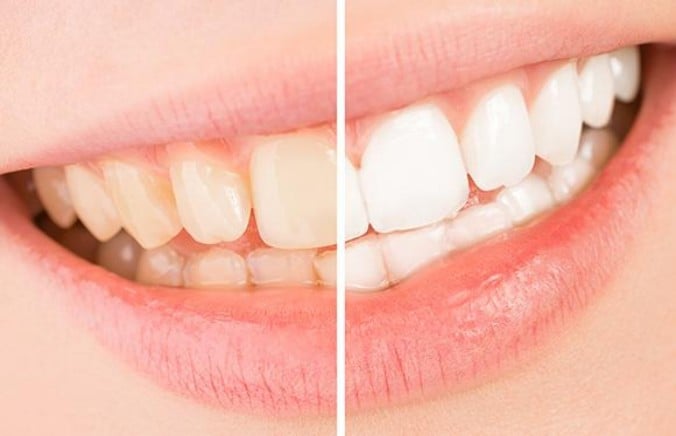
But at the same time, some more complex dental cosmetic projects, such as teeth whitening and correction, are often not covered by insurance. These projects are usually considered non-essential and more high-end services, so most dental insurance will not provide coverage for them.
Therefore, for those who plan to purchase dental insurance, they must read the insurance contract carefully before purchasing it to clarify the specific coverage of the insurance. This will not only avoid misunderstandings, but also ensure that you can truly enjoy the convenience and protection brought by dental insurance when you need it.
Myth 2: Dental insurance can be reimbursed uncondi
Dental insurance does not unconditionally reimburse all expenses incurred, which is an important detail that many policyholders tend to overlook. In order to control risks and costs, insurance companies usually set a series of compensation conditions and restrictions. Among them, the deductible is a key concept, which represents the minimum amount that the insurance company does not bear the liability for compensation. That is to say, if the treatment cost is lower than this amount, the insurance company will not pay; only when the cost exceeds the deductible, the insurance company will intervene and pay according to the proportion agreed in the contract.
In addition to the deductible, the reimbursement ratio is also an important factor in determining the final compensation amount. Different dental insurance products may have different reimbursement ratios, some may be as high as 80% or 90%, while others may be only 50% or lower. This means that even if the treatment cost exceeds the deductible, the insured still needs to bear part of the cost.
In addition, the maximum compensation limit is also an indispensable clause in the dental insurance contract. It limits the maximum amount that the insurance company can pay in an insurance year. If the treatment cost exceeds this limit, even if the compensation conditions are met, the insurance company will not pay any additional expenses.
Therefore, when choosing dental insurance, the insured must carefully study these key terms in the insurance contract. Understanding the specific values and regulations of the deductible, reimbursement ratio and maximum compensation limit can help the insured better evaluate the cost-effectiveness of the insurance product and avoid unnecessary disputes and misunderstandings when claims are needed.
Advertisement
Advertisement
Tips For Getting Free Dental Work
1. Be prepared to provide documentation of your income and place of residence.
Many free dental clinics require patients to provide proof of income and residence in order to qualify for services.
2. Call ahead to schedule an appointment.
Most free dental clinics require patients to make an appointment in advance.